The Supreme Court is leaving in place a $2 billion verdict in favor of women who claim they developed ovarian cancer from using Johnson & Johnson talc products.
The justices did not comment Tuesday in rejecting Johnson & Johnson's appeal. The company argued that it was not treated fairly in facing one trial involving 22 cancer sufferers who came from 12 states and different backgrounds.
A Missouri jury initially awarded the women $4.7 billion, but a state appeals court dropped two women from the suit and reduced the award to $2 billion. The jury found that the company’s talc products contain asbestos and asbestos-laced talc can cause ovarian cancer. The company disputes both points.
Johnson & Johnson, which is based in New Brunswick, New Jersey, has stopped selling its iconic talc-based Johnson’s Baby Powder in the U.S. and Canada, though it remains on the market elsewhere.
Justices Samuel Alito and Brett Kavanaugh took no part in the court's action. Alito owns $15,000 to $50,000 in Johnson & Johnson stock. Kavanaugh's father headed the trade association that lobbied against labeling talc a carcinogen and including a warning label on talc products.
Ethicists contacted by The Associated Press said they did not think E. Edward Kavanaugh's role required his son to step aside from the case.
The FAA prepares to select cities for its eVTOL pilot program, marking a major step toward electric air taxis and the future of urban air mobility in the U.S.
Rising oil prices tied to the Iran conflict are driving up gas and airfare costs, creating new challenges for travelers heading into the spring break season.
The Supreme Court strikes down Trump-era tariffs, limiting presidential trade powers and raising questions about refunds, global trade, and business impact.
New research from GoDaddy and UCLA shows small businesses signal shifts in GDP, jobs, and digital growth earlier than traditional data or Wall Street trends.
GoFundMe launches Back in Business Fund with Paris Hilton to provide targeted grants helping women entrepreneurs recover and rebuild after natural disasters.
Samsung launches its “AI in Action Lab” in NYC, giving public high school students hands-on AI experience and tools to prepare for real world innovations.
Gen Z workers are increasingly worried AI could replace their jobs. However, experts say companies are using AI more to assist workers than replace them.
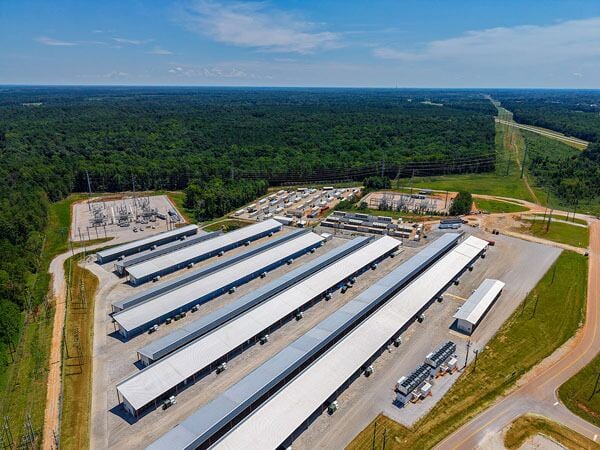
Matt Schultz of CleanSpark discusses Bitcoin mining and AI infrastructure converge, energy demand dynamics, and the company’s position in the evolving market.