With Blockchain, Facebook May Be Looking to Cut Out Credit Cards
*By Christian Smith*
Facebook announced Tuesday it was creating a blockchain division to be led by a senior executive in what may be an effort by the social media company to develop its own payment system that cuts out credit card companies.
"I would definitely imagine payments is going to be a big part of it," said TechCrunch's Editor-at-Large Josh Constine about Facebook's blockchain initiative. "Facebook's opportunity there is to cut out the credit card companies. Facebook wants to be the new layer for commerce."
When a user makes a purchase through Facebook using a credit card, the customer pays a small percentage or flat fee. Using blockchain technology, Facebook could create its own payment system that would would eliminate the fee and streamline purchases.
The executive who will be in charge of the initiative, David Marcus, previously ran Facebook's Messenger app and was a co-founder of the online payment service PayPal.
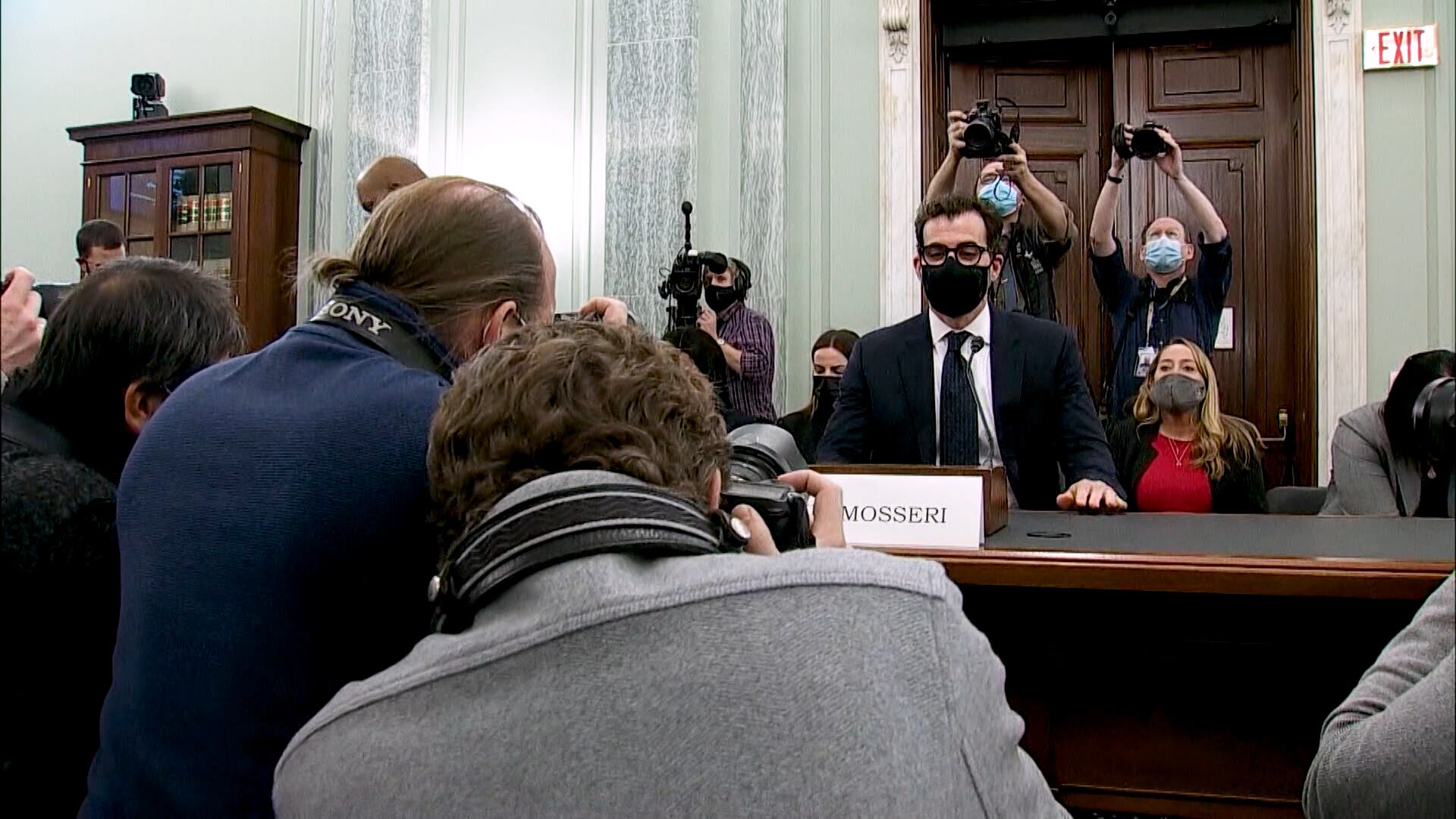
Facebook also [announced](https://cheddar.com/videos/facebooks-c-suite-shuffle) Tuesday that its longtime chief product officer, Chris Cox, will oversee Facebook's "family of apps," which include Messenger, Instagram, and WhatsApp. Chris Daniels, who led Facebook's Internet.org connectivity efforts, will take the helm at WhatsApp after its co-founder, Jan Koum, announced last week he was leaving the company. Adam Masseri, who runs Facebook's NewsFeed, will take over as Instagram's vice president of product.
When Facebook acquired Instagram in 2012 and WhatsApp in 2014, the social media giant promised the leaders of those companies a degree of autonomy. As Facebook installs its own leaders in executive positions over those companies, that autonomy appears to be shrinking. Constine said the decision could affect the way people view Instagram and WhatsApp compared to Facebook.
"WhatsApp and Instagram are kind of the hedges against threats to Facebook's brand. With all the recent Cambridge Analytica scandals, when Facebook was really getting hit with a lot of criticism that didn't necessarily flow over Instagram or WhatsApp," said Constine in an interview Wednesday with Cheddar. "They were sort of the lifeboat for Facebook's brand just in case people started to really hate on the big blue social network."
Constine also said that more closely associating Facebook with Instagram and WhatsApp could end up being a boost to the brands.
"They're going to run essentially the Facebook playbook, which could actually end up being good because Facebook's been quite successful with that playbook," said Constine.
For the full interview, [click here](https://cheddar.com/videos/facebook-getting-into-blockchain-as-company-reorganizes).
More than 70 religious leaders have come together to sign a letter to urge Mark Zuckerberg and Meta to halt plans for Instagram for Kids. The signers claim that this new platform, currently on pause, could cause spiritual harm to young people. Lucy Kidwell, the screen-free week coordinator for the nonprofit that organized the letter, Fairplay, joined Cheddar News to discuss the issue on Safer Internet Day. "It's not necessarily the content, even, that's on these platforms, but more the structure of the app itself," she said. "It's all focused on comparison, promoting yourself, putting forward this image of perfection and this beautiful life that's really harmful to kids who can't really separate what's real and what's fake and who may not be emotionally mature enough to handle something so complicated."
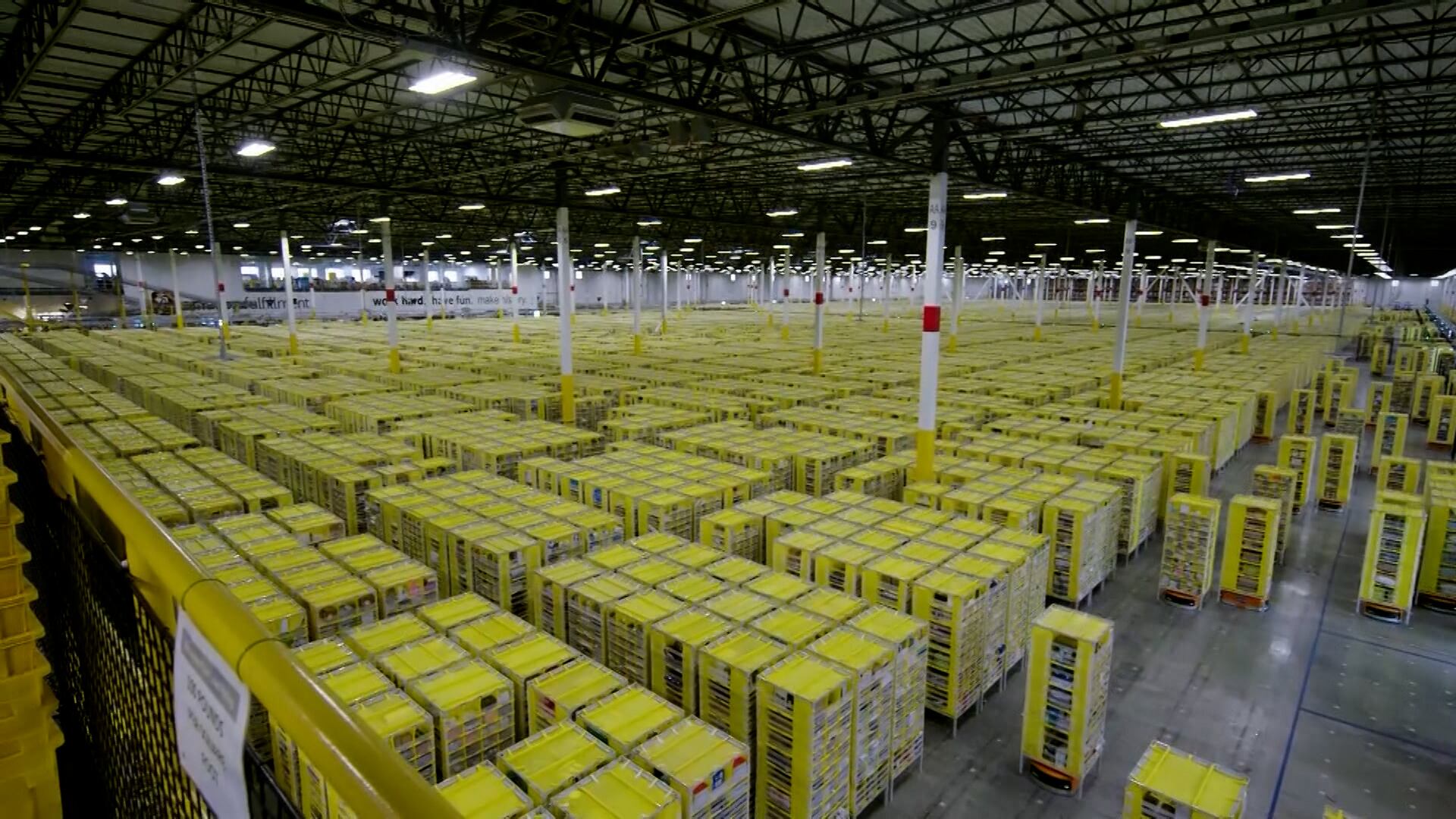
Amazon warehouse workers in Alabama are set to begin voting to unionize for a second time after workers at the facility in the town of Bessemer overwhelmingly voted against forming a union during an election early last year; but in November, the National Labor Relations Board overturned the vote, upholding a union challenge of the results which argued that Amazon undermined the conditions for a fair election. Another round of ballots will now be mailed out to works at the warehouse for a so-called re-run election. Director of Labor and Employment Studies at San Francisco State University John Logan and National Field Director for Our Revolution Mike Oles joined Cheddar News' Closing Bell to discuss.
February 8 is Safer Internet Day, and Google has partnered with online education organization Khan Academy to release a courseload focused on internet safety. The partnership includes a $5 million donation towards content development from Google, with modules to be made available in various languages throughout 2022. Founder of Khan Academy, Sal Khan, joined Cheddar News to discuss the partnership. "We need to get to a world where everyone of all ages has a chance to learn and practice and feel good that they can navigate the internet in a safe way,” said Khan.
Big tech companies such as Amazon and Google are garnering criticism for failing at their proposed climate pledges, most of which rely on carbon offsets — a potential loophole where companies pay others to address their omissions. Gilles Dufrasne, policy officer at Carbon Market Watch, joined Cheddar News to explain the organization's negative evaluation. "The objective here is not to bash companies and say everybody is doing the wrong thing," he said. "The objective is to also provide lessons, and there are some companies that are doing the right thing."
U.S. markets opened lower as disappointing Meta earnings dragged down the tech-heavy Nasdaq. Today, investors will be watching for Amazon's Q4 earnings report set for release after the market close. Greg Swenson, Founding Partner, Brigg Macadam joined Cheddar's Opening Bell to discuss.