Why Are Markets Falling Again? Let Me Count The Ways
The market is seeing red again.
On the first trading day of the second quarter, the Dow slipped by more than 400 points, and the tech-heavy Nasdaq ended the day nearly three percent lower.
“We saw overnight China announced a tariff of up to 25 percent on about...130 U.S. products,” explained Matthew Battipaglia, Portfolio Manager at Washington Crossing Advisors.
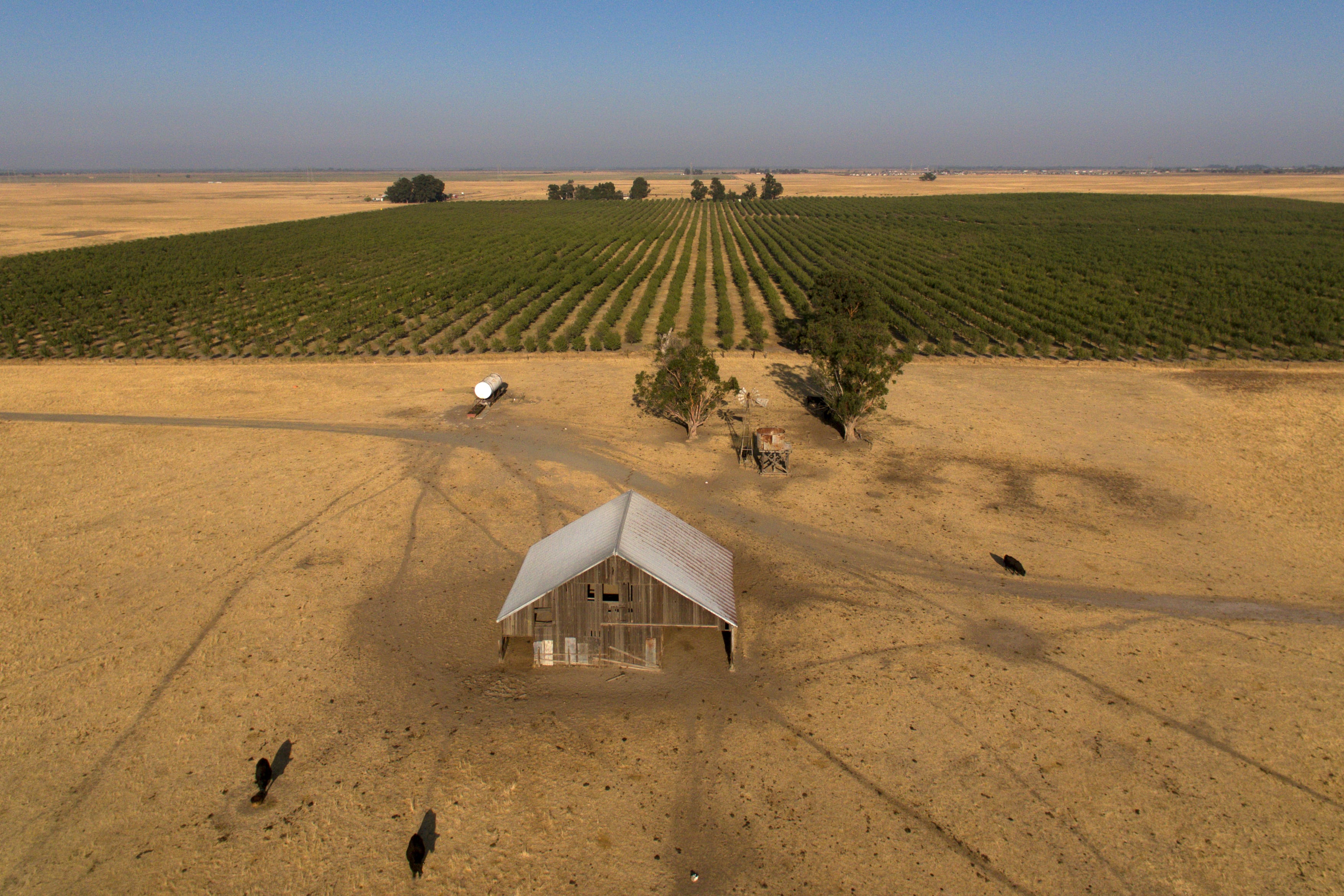
China’s new tariffs hit a myriad of American goods, including fruits and pork, imports of which amount to around $3 billion.
The announcement comes merely weeks after President Trump slapped taxes on aluminum and steel imports from China and announced plans to tax $50 billion more worth of Chinese goods.
These trade war warning shots from two of the world’s largest economies worried investors Monday. They also added pressure to a market that was already heading downwards on negative news from the tech world.
Reports of Apple potentially ditching Intel and using its own chips for Mac computers drove Intel’s shares down by as much as nine percent. [Tesla, Facebook, and Amazon](https://cheddar.com/videos/facebooks-data-policies-are-like-cigarette-labels) also resumed their downward spirals to start the quarter.
Despite concerns about shipping delays in the Red Sea, RSM Chief Economist Joe Brusuelas says there are still reasons to be optimistic about the state of the U.S. economy.
Dan Ives, Managing Director and Senior Equity Analyst at Wedbush Securities dives deeper into a report by the International Data Corporation (IDC) that Apple has ended Samsung's 12-year reign as the world's largest smartphone seller.
Artificial intelligence is the biggest buzzword at the World Economic Forum’s annual meeting in Davos. Advances in generative AI stunned the world last year, and the elite crowd is angling to take advantage of its promise and minimize its risks.
Smartphones could get much smarter this year as the next wave of artificial intelligence seeps into the devices that accompany people almost everywhere they go.
In an annual assessment of global inequalities, Oxfam International said the first trillionaire could emerge within the next decade — as the anti-poverty organization pointed to the growing wealth gap that skyrocketed globally during the pandemic.
The Biden administration proposed a cost drop for overdrawing bank accounts, which it says could particularly relieve Americans living paycheck to paycheck.