Canopy Growth CEO: Legal Pot 'More Complicated' in U.S.
*By Jacqueline Corba*
For all the progress that legal marijuana has made in the United States, the country remains a murky place for companies seeking to enter a nascent market with complicated and inconsistent laws, said the co-founder and chief executive of North America's largest cannabis company.
Bruce Linton, the CEO of Canopy Growth Corporation, said his company was able to lead the way and become the first publicly listed pot company because it scrupulously follows the rules.
"United States is getting more complicated," Linton said in an interview Thursday with Cheddar. "I'm not hearing as clear as a voice as I did on what to do three years ago. It's louder, but it's definitely not clearer."
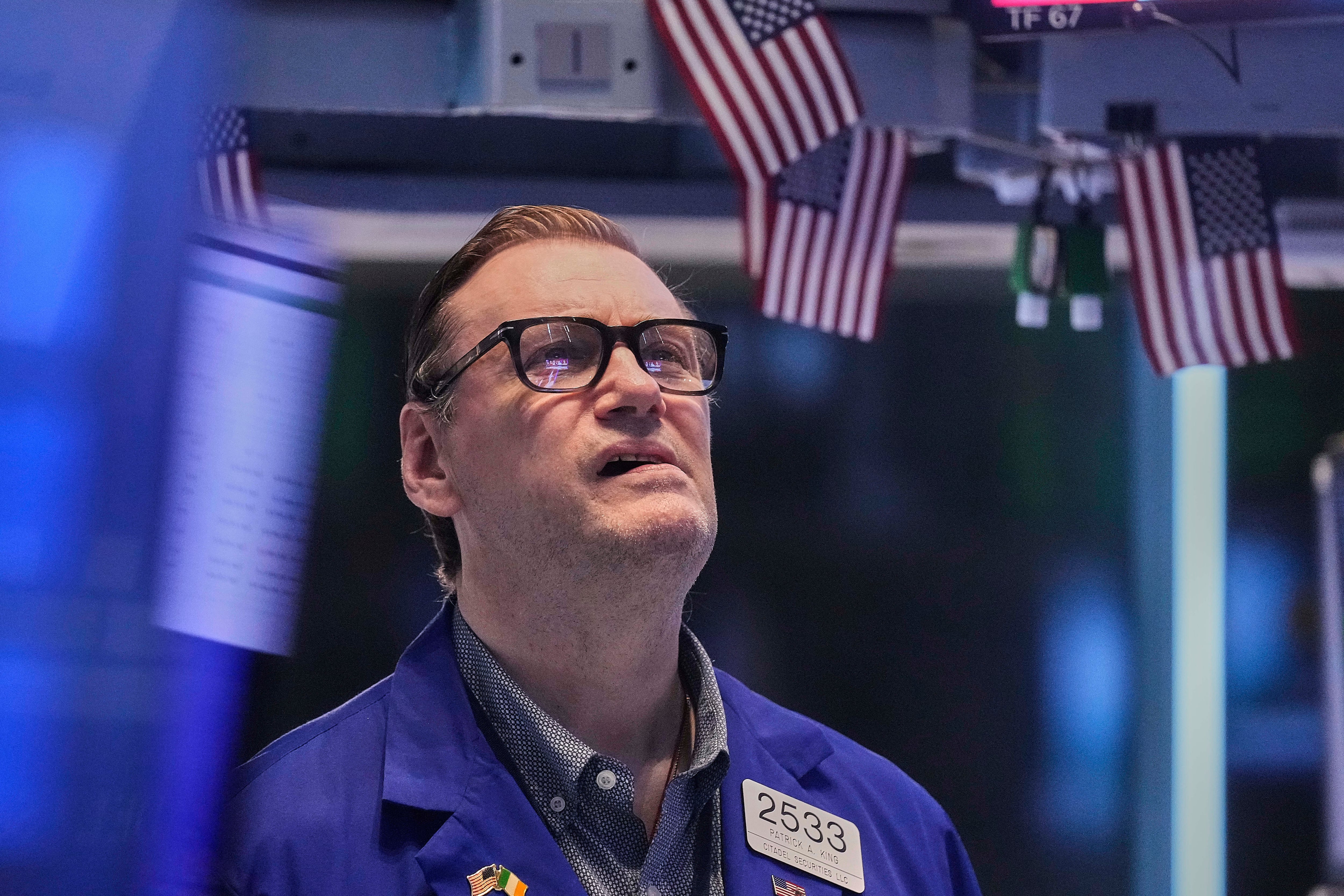
Canopy was the first cannabis firm to be listed on the New York Stock Exchange when it began trading last week. Its stock is up more than 20 percent since its debut, and the company has a market cap of more than $6 billion. That makes it the largest pot stock out there. The Canadian marijuana company operates 10 production facilities in nine countries where pot is legal.
Linton said he wants Canopy to be a leader in the industry. "This is about public policy and how we push the agenda, and then follow it," he said, adding legalization should come from following existing rules.
"If you want to be on the New York Stock Exchange, you need to be following all the rules," said Linton. "What we try to do is lead, and that almost always results in having us do most things first."
Canopy Growth Corporation is used to doing this first. Before listing on the NYSE, it was the first cannabis company to go public when it listed on the TSX Venture Exchange, a junior exchange in Canada, in 2014. It moved to the Toronto Stock Exchange two years later.
For the full interview, [click here](https://cheddar.com/videos/canopy-growth-ceo-on-nyse-debut).
Bambu Ventures's Kyle Pretsch dives into Lemonaid’s $10M buyout, down from 23andMe’s $400M price tag, and what’s next after Chrome Co.’s dramatic pivot.
Former Cisco Systems CEO John Chambers learned all about technology’s volatile highs and lows as a veteran of the internet’s early boom days during the late 1990s and the ensuing meltdown that followed the mania. And now he is seeing potential signs of the cycle repeating with another transformative technology in artificial intelligence. Chambers is trying take some of the lessons he learned while riding a wave that turned Cisco into the world's most valuable company in 2000 before a crash hammered its stock price and apply them as an investor in AI startups. He recently discussed AI's promise and perils during an interview with The Associated Press.
Grove Collaborative’s CEO shares how the company is reinventing everyday goods with sustainability at the core and working toward a plastic-free future.
Atlanta Mayor Andre Dickens shares plans for affordable housing, community-led growth, and why private and public grocery stores could be key to food equity.
Tesla reported a surprise increase in sales in the third quarter as the electric car maker likely benefited from a rush by consumers to take advantage of a $7,500 credit before it expired on Sept. 30. The company reported Thursday that sales in the three months through September rose 7% compared to the same period a year ago. The gain follows two quarters of steep declines as people turned off by CEO Elon Musk’s foray into right-wing politics avoided buying his company’s cars and even protested at some dealerships. Sales rose to 497,099 vehicles, compared with 462,890 in the same period last year.
Tom’s Guide Editor-in-Chief Mark Spoonauer breaks down Apple & Amazon's latest product drops—what's hot, what's hype, and what really matters for users.