Adidas is withdrawing its challenge to a Black Lives Matter trademark application featuring three parallel stripes, two days after it contested the image with the U.S. Trademark Office.
Adidas submitted a notice of opposition with the office Monday, saying in the filing that it took issue with Black Lives Matter Global Network Foundation's application to trademark the use of three parallel yellow stripes on various items such as clothing and bags.
The company said that it felt that if Black Lives Matter was allowed to use the stripes, it would be “confusingly similar” to its usage of a three-stripe mark, something it had been using on its own merchandise since at least 1952.
By Wednesday, Adidas said it had changed its mind.
“Adidas will withdraw its opposition to the Black Lives Matter Global Network Foundation’s trademark application as soon as possible,” the German athletic gear company said in a prepared statement.
It did not provide any further details as to why it was withdrawing the application.
Adidas has vociferously protected its triple-stripe trademark for years. In January fashion designer Thom Browne emerged from a New York courthouse victorious over Adidas in a battle over signature stripes. In that case, Adidas had similarly argued that the striped designs used by Thom Browne Inc. were too similar to its own three stripes. The Manhattan federal court jury sided with Browne.
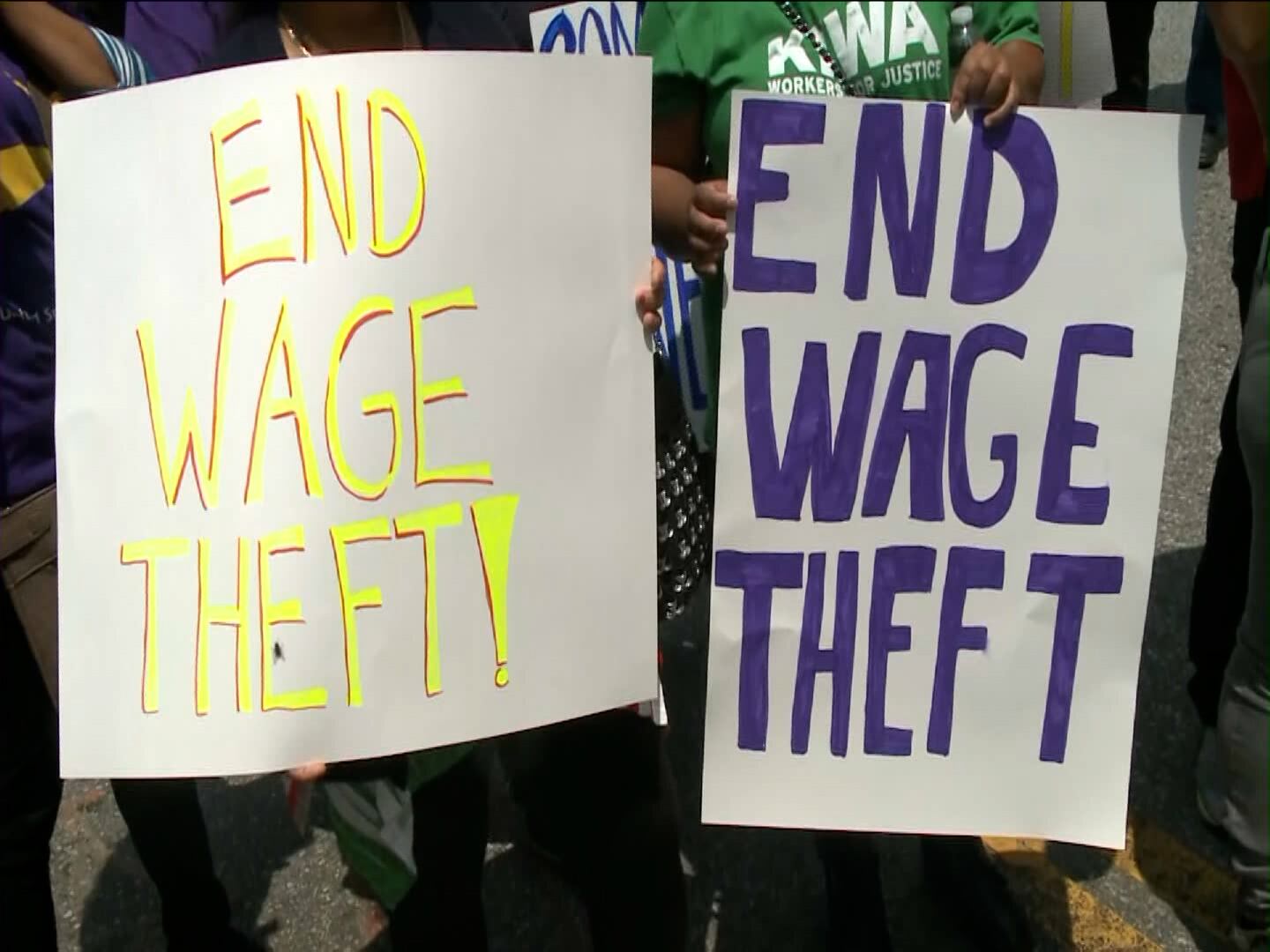
The average city in California has a 38% higher cost of living than the average American city, according to a cost of living index. For many, the general minimum wage of $15/hour just doesn't cut it. Anti-poverty activist Joe Sanberg wants to get the minimum wage changed to $18/hour. He joins Cheddar News to discuss the Living Wage Act of 2022.
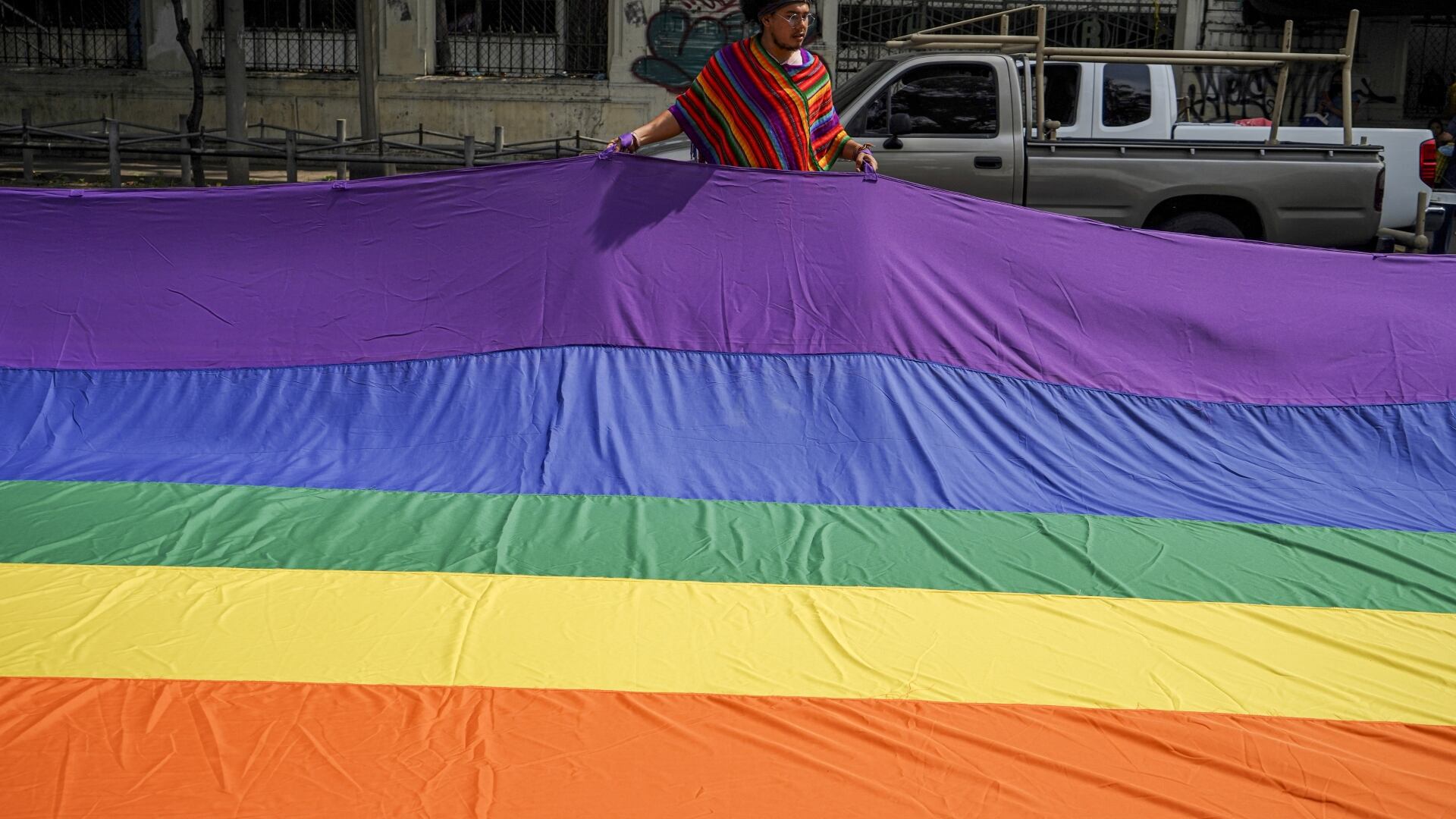
Liana Guzmán, CEO of FOLX Health, joins Cheddar News to discuss the company launching billboards across the country in response to anti-LGBTQ+ legislation.
President Biden has announced an additional $800 million in military assistance to Ukraine, including artillery, armored personnel carriers, and helicopters. It comes as Russian forces appear to be preparing for a new, aggressive offensive in the eastern part of Ukraine. Paul McLeary, defense reporter for Politico, joined Cheddar to discuss this new round of aid and what it means for the U.S. commitment to arming the embattled country.
Catching you up on what you need to know on April 18, 2022, with Russian missile attacks on the Ukrainian city of Lviv killing seven, mass shootings in South Carolina and Pittsburgh, Lucky Charms cereal under official investigation by the FDA, and more.
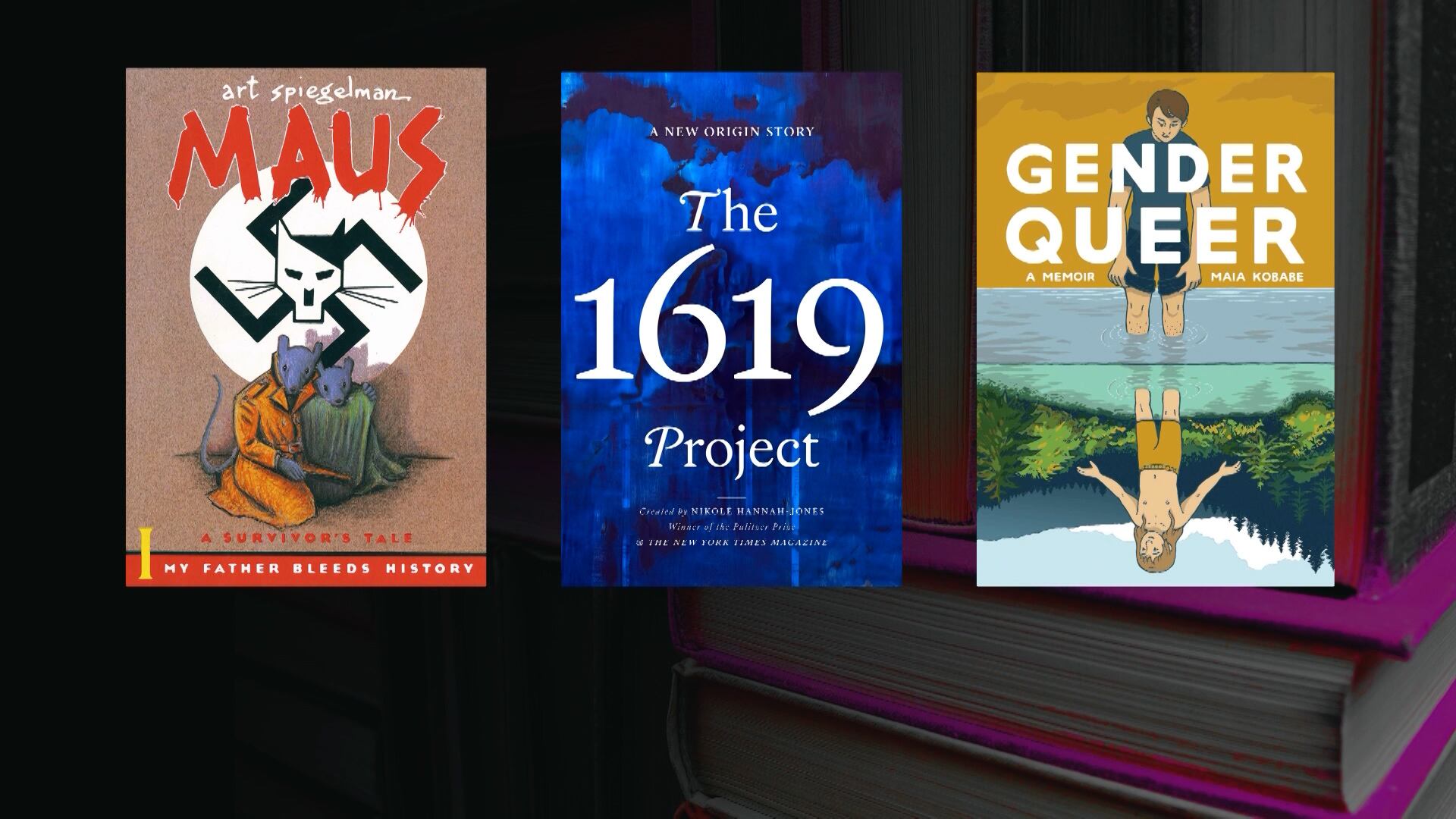
Activism is growing around the country in response to school boards banning books from shelves that focus on sexuality, gender, identity, or race. Jen Cousins, co-founder of The Florida Freedom to Read Project, joins Cheddar News to discuss.
As the Russian invasion of Ukraine intensifies, President Biden has announced a ban on importing Russian oil, gas, and energy. To discuss how this ban will impact the war and Americans, Amir Handjani, non-resident fellow at Quincy Institute, joins Cheddar News.
Thousands of protesters around the world are expressing their solidarity with Ukraine against Russia's invasion.
Jason Beardsley, national executive director of the Association of the U.S. Navy and national security expert, joins Cheddar News to discuss.
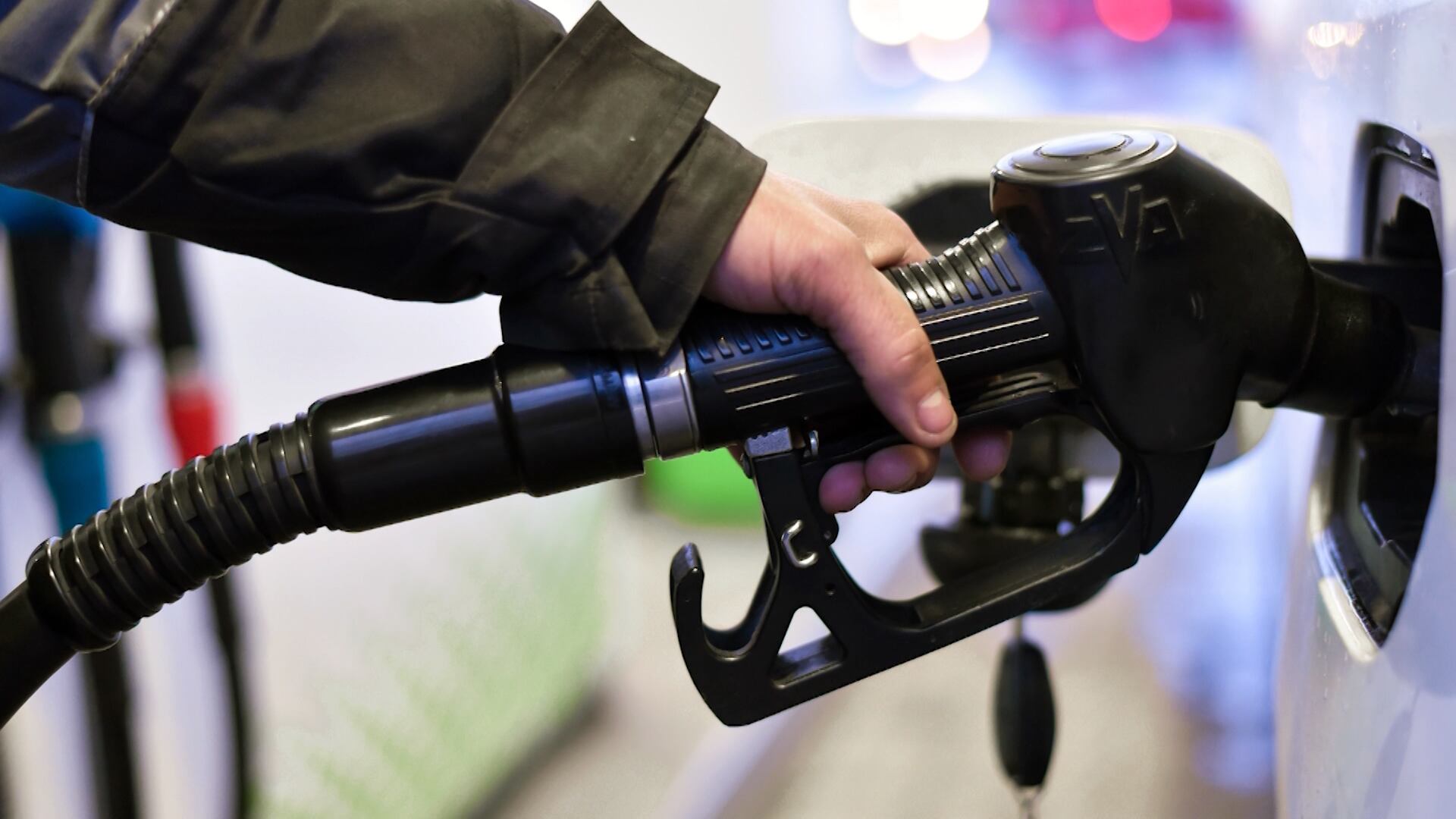
As gas prices surge amid the Russian invasion of Ukraine, other nations could potentially transition faster to using clean energy than previously expected. Philip K. Verleger, a senior fellow at the Niskanen Center, joined Cheddar News to explain how this could be a possibility in the near future. "Part of the reason I think we have this invasion and the tantrum that's being thrown by Russia, terrible tantrum, is because the Russians were trying to slow down the transition," he said. "Ironically they speeded it up."
Following the invasion of Ukraine, a multitude of Western companies have paused doing business with Russia. PepsiCo, Coca-Cola, McDonald's, and Starbucks are the most recent companies to temporarily cease operations in Russia. Dean of Miami Herbert Business School at the University of Miami, John Quelch, joined Cheddar News to discuss what message this sends to Russia and the Russian consumer. “I would not underestimate the collective strength of all of these multinational companies, essentially coming together to make their collective statement in support of the political statements that have come out of Washington," he said.