Why Are Markets Falling Again? Let Me Count The Ways
The market is seeing red again.
On the first trading day of the second quarter, the Dow slipped by more than 400 points, and the tech-heavy Nasdaq ended the day nearly three percent lower.
“We saw overnight China announced a tariff of up to 25 percent on about...130 U.S. products,” explained Matthew Battipaglia, Portfolio Manager at Washington Crossing Advisors.
China’s new tariffs hit a myriad of American goods, including fruits and pork, imports of which amount to around $3 billion.
The announcement comes merely weeks after President Trump slapped taxes on aluminum and steel imports from China and announced plans to tax $50 billion more worth of Chinese goods.
These trade war warning shots from two of the world’s largest economies worried investors Monday. They also added pressure to a market that was already heading downwards on negative news from the tech world.
Reports of Apple potentially ditching Intel and using its own chips for Mac computers drove Intel’s shares down by as much as nine percent. [Tesla, Facebook, and Amazon](https://cheddar.com/videos/facebooks-data-policies-are-like-cigarette-labels) also resumed their downward spirals to start the quarter.
Rising oil prices tied to the Iran conflict are driving up gas and airfare costs, creating new challenges for travelers heading into the spring break season.
The Supreme Court strikes down Trump-era tariffs, limiting presidential trade powers and raising questions about refunds, global trade, and business impact.
New research from GoDaddy and UCLA shows small businesses signal shifts in GDP, jobs, and digital growth earlier than traditional data or Wall Street trends.
GoFundMe launches Back in Business Fund with Paris Hilton to provide targeted grants helping women entrepreneurs recover and rebuild after natural disasters.
Samsung launches its “AI in Action Lab” in NYC, giving public high school students hands-on AI experience and tools to prepare for real world innovations.
Gen Z workers are increasingly worried AI could replace their jobs. However, experts say companies are using AI more to assist workers than replace them.
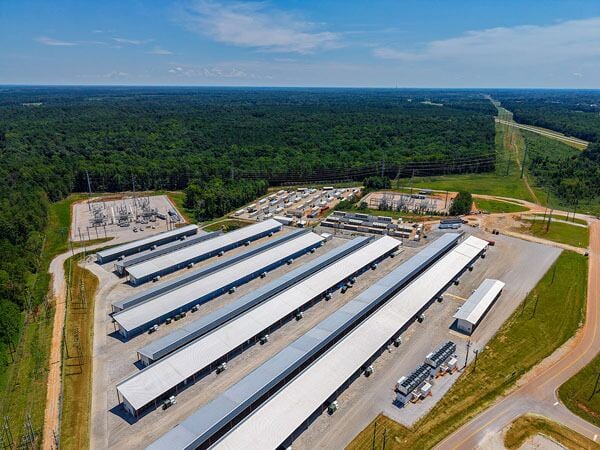
Matt Schultz of CleanSpark discusses Bitcoin mining and AI infrastructure converge, energy demand dynamics, and the company’s position in the evolving market.
Bhavin Shah of ServiceNow discusses how the new Autonomous Workforce AI automates tasks, integrates with Teams and Slack, and boosts workplace efficiency.