Wal-Mart is raising minimum wage to $11 and dishing out a one-time bonus for employees, citing the Trump Tax Reform plan. Karen Short, Managing Director at Barclays, was with us to discuss the ramifications of the decision.
Short estimates that Wal-Mart could generate $4 billion in incremental free cash flow due to the tax reform, and adds that the wage hike is just of portion of the allocation. The analyst says that the "strong will get stronger" and other retailers will have to follow Wal-Mart's lead.
Tax reform narrows the advantage Amazon has over traditional retailers such as Wal-Mart, says Short. She says Wal-Mart has an advantage over Amazon because it is the largest grocer with low prices. Short also adds that the stigma surrounding Wal-Mart products has dissipated and is no longer a "turnoff" to millennials because the products have gotten better.
Fresh off a successful funding round, co-founder of Lapse Dan Silvertown shares thoughts on regulation, privacy, and why the money for great startups is still out there.
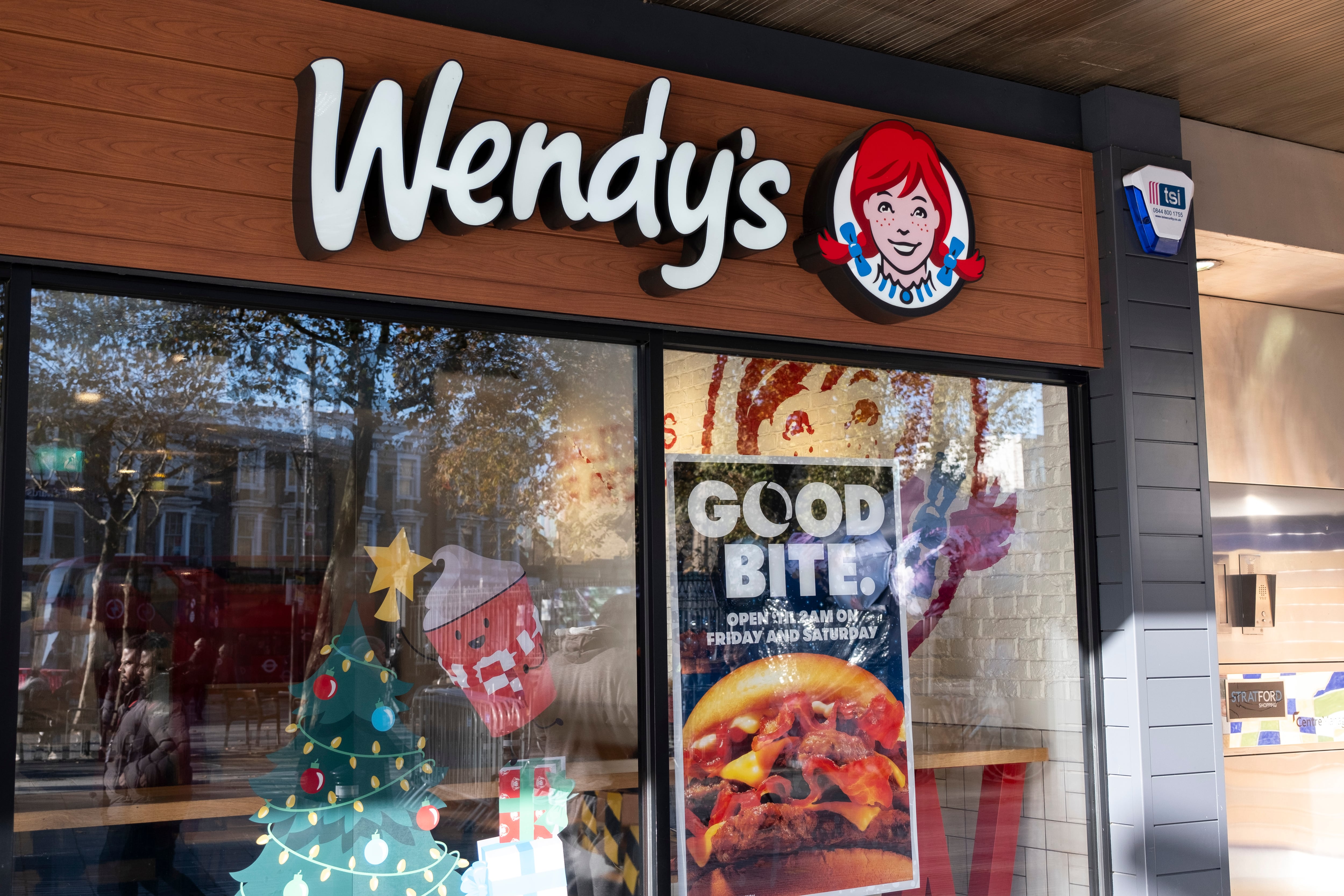
Wendy's announced they are testing out fluctuating prices throughout the day for certain products based on demand. Who will groan the most: lunch-breakers, dinner drivers or late-night goblins?
Shubha Dasgupta, CEO of Pineapple Financial, discusses incorporating artificial intelligence with its newly announced ‘Maui’ tool, plus plans for expansion.
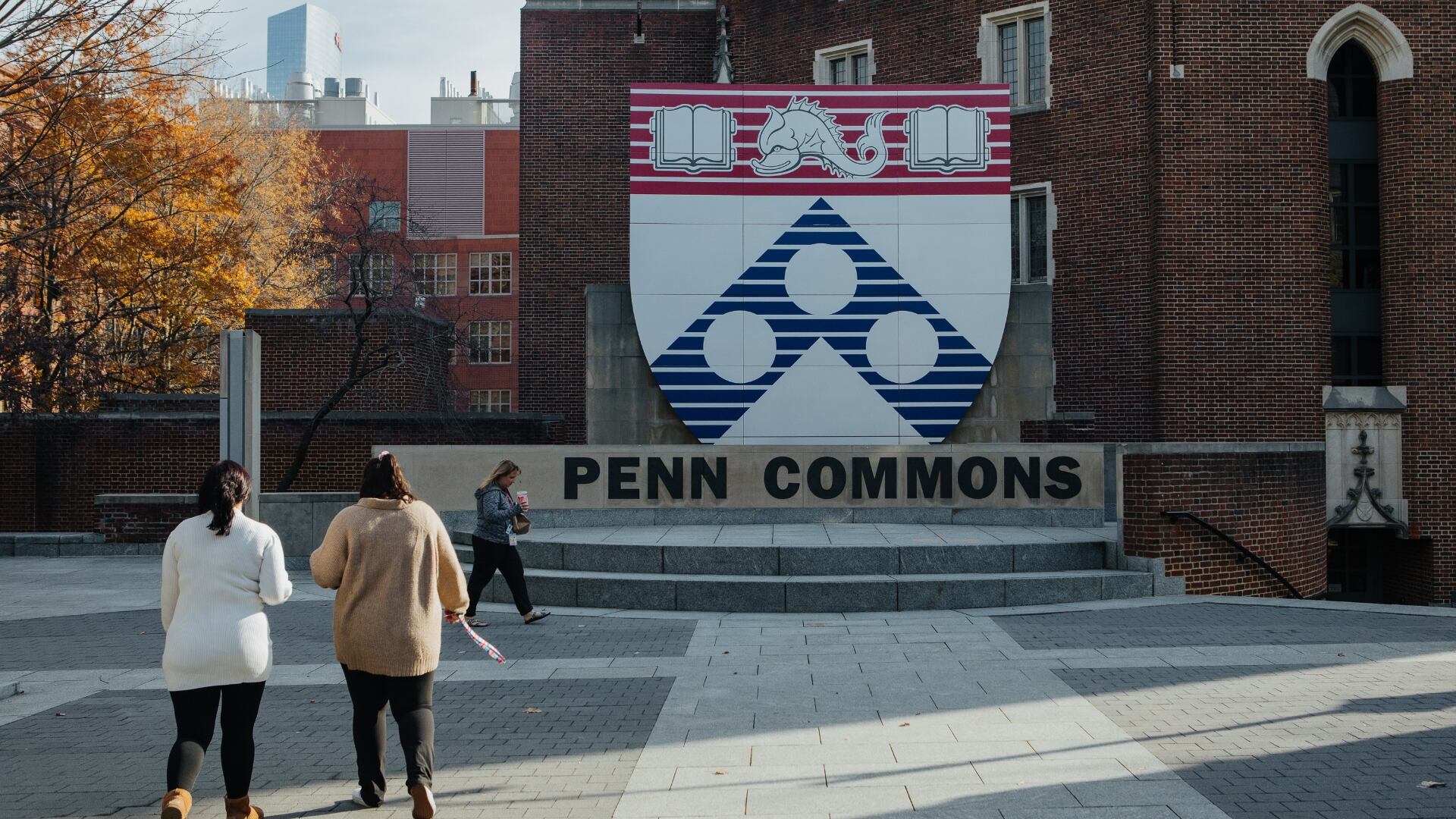
Chair of Penn Engineering’s Department of Computer and Information Science Zachary Ives shares how the department is building its artificial intelligence degree program.
Frances Stacy, Optimal Capital Director of Strategy, breaks down why the latest data indicates the economy may be struggling more than expected, plus some sectors she’s watching.