From Wall Street to Silicon Valley, these are the top stories that moved markets and had investors, business leaders, and entrepreneurs talking this week on Cheddar.
STOCKS EKE OUT A WIN
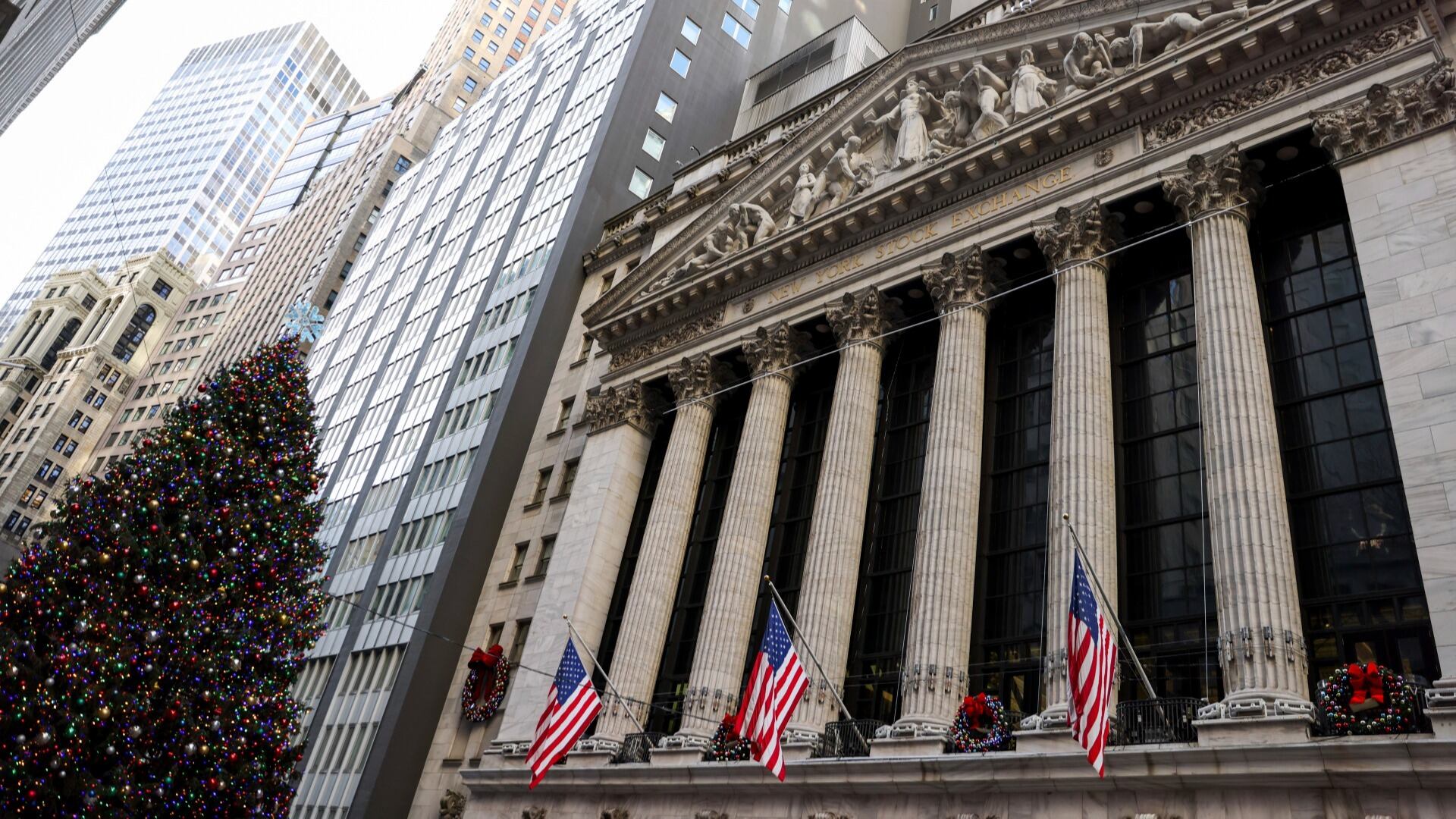
Stocks notched a minor weekly gain — a relative calm amid a storm of recent volatility — thanks to the strength of the financial and energy sectors. Both equities and Treasurys have been zig-zagging between a general sense that economic conditions are improving as the pandemic begins to recede, and fears of inflation combined with data points to suggest the pandemic still poses a threat, particularly to global growth in places like the EU and Brazil, where cases are rising and vaccinations are either slow or nonexistent. Weekly jobless claims fell to their lowest level in more than a year as states open up and stimulus checks hit bank accounts. The drop in first-time unemployment claims was sharp — 684,000 from 781,000 a week earlier — but still high by historical standards.
GAMESTOP EARNINGS
The hottest show on Wall Street this week ended up, satisfying nobody. GameStop reported its first quarterly results since the Reddit-fueled trading frenzy, missing analyst estimates by a hair, and laying out the plan for its e-commerce transformation. The company also appointed a new COO, Jenna Owens, an Amazon and Google vet. A post-earnings selloff didn’t last, and the meme stock ended the week down for the week after a $6 billion swing in market value between Monday and Wednesday.
IF AT FIRST YOU DON’T SUCCEED...
WeWork is going public. For real this time. The office-sharing startup has agreed to merge with BowX Acquisition, a blank-check company, in a deal that values WeWork at $9 billion, a far cry from its one-time valuation of $47 billion before its IPO collapsed. According to the Financial Times, WeWork had been pitching itself as a target for a SPAC, noting that it cut its losses from $3.5 billion to $3.2 billion last year (when half of its office space was empty amid the pandemic). The SPAC route would give WeWork a chance to seek funding outside of its main benefactor, SoftBank, and the company is banking on a post-pandemic move to flexible work arrangements that could benefit its business model in the long run.
‘INTEL IS BACK’
Intel unveiled a big bet that the sky-high global demand for semiconductors is not going anywhere, even once the current supply crunch gets remedied. Intel’s new CEO, Pat Gelsinger, announced a $20 billion investment in two domestic production facilities, an acknowledgment that the U.S. dependence on Asia for its chip production is a growing concern, not just in Washington. Intel, once seen as the gold standard of semi manufacturing, has fallen behind rivals like Nvidia and TSMC in recent years, but investors liked what they heard out of the new boss, sending shares up 6 percent on his announcement that “Intel is back.”
RAILROAD MEGAMERGER
Canadian Pacific and Kansas City Southern are merging to create the first railroad network that will connect the U.S., Canada, and Mexico. The $29 billion deal, if approved, is the largest of the year so far. It would link the railways of North America at a time when the industrial economy is expected to boom post-COVID and after a revised trade pact under the Trump administration that encourages trade across the continent. The blockbuster merger still has a long road ahead. Railroad deals in the U.S. have to get clearance from the powerful Surface Transportation Board, which has approved just two big mergers since it was formed in the 1990s. Shares of Kansas City Southern popped nearly 11 percent on the merger announcement.