Monetizing music is not an easy task, but Splice is finding success cracking the code. Splice's Co-Founder, Steve Martocci, joined us to discuss how the company is developing a creative hub for modern musicians.
Splice isn't Martocci's first company. He founded GroupMe in 2010 and sold it to Skype in 2011. While he is taking on a different industry, he shares that he orignally created GroupMe with the intention to make it easier for friends to go to concerts together. Martocci says software has always been his canvas, and music is the motivator. The entrepreneur tells us how his experience with the messaging application is helping him in his latest venture.
Martocci explains that the app works for everyone from GRAMMY nominated artists to brand new musicians. In fact, a sound from Demi Lovato's hit song "Sorry Not Sorry," was sampled from the Splice platform. It's not just music. The platform is used for all types of audio, including cinema.
Splice just raised $35 million, bringing total funding to $47 million. While the company has made a lot of progress, Martocci says there is a lot more to do. With the new funding, he plans to build the best team possible.
Jason Tartick, small business expert and TurboTax Live Partner (who you may recognize from 'The Bachelorette'), shares his tips for making sure your taxes are flawless this year.
Christine Short, Head of Research, Global Corporate Events at Wall Street Horizon, a TMX Company, breaks down the biggest takeaways from companies’ quarterly results.
TikTok once again finds itself in a precarious position as lawmakers in Washington move forward with a bill that could lead to a nationwide ban on the platform.
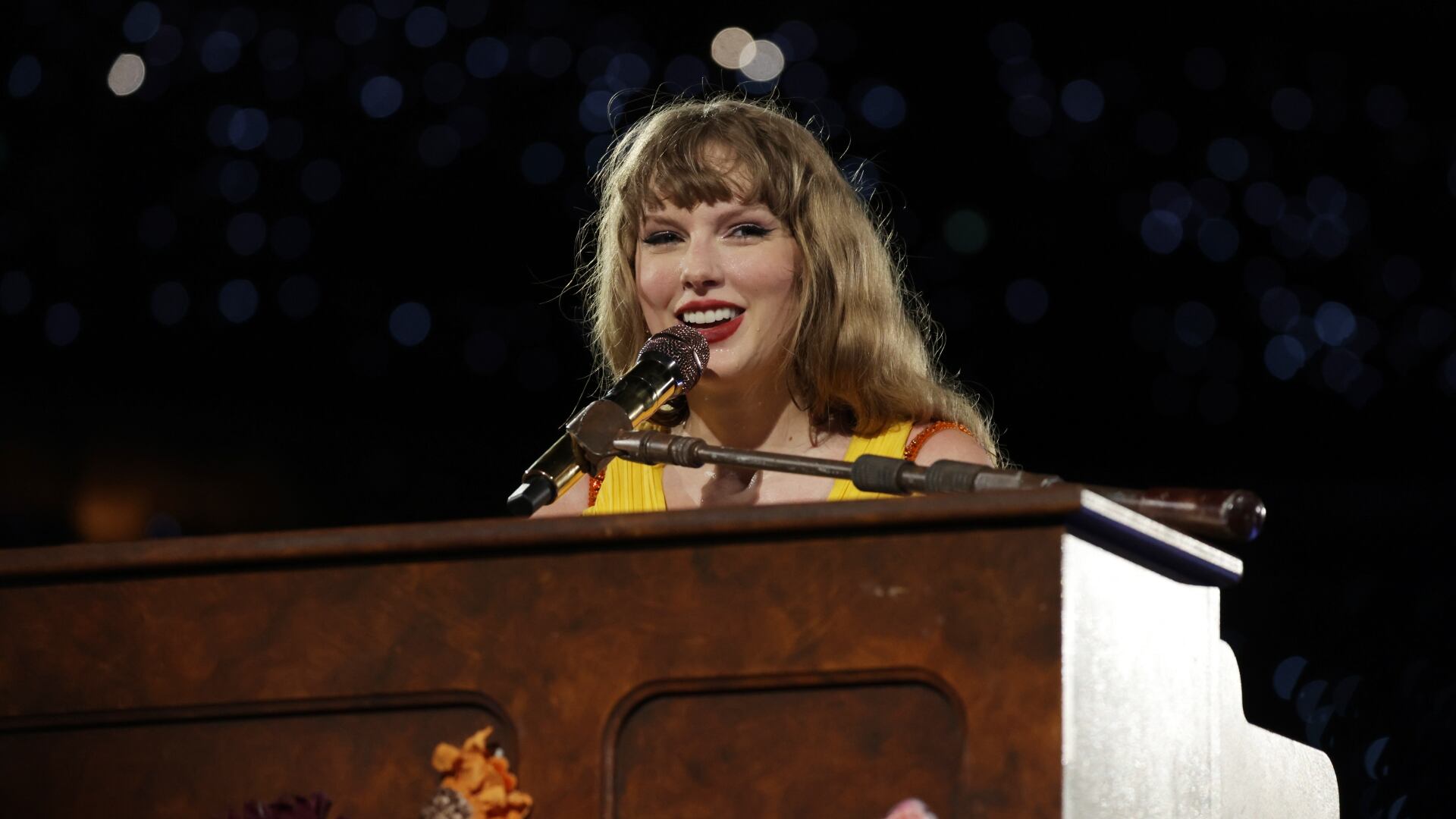
Bryan West, Gannett’s Taylor Swift reporter, recaps the many, many, theories and Easter eggs Swifties are debating as her ‘Eras Tour’ film comes to Disney+.
‘Our Biggest Fight’ author and Project Liberty founder Frank McCourt, Jr. explains his problem with the internet – and why this Tiktok bill is just a starting point.
Consumer prices in the United States picked up last month, a sign that inflation remains a persistent challenge for the Federal Reserve and for President Biden.
Jayesh Govindarajan, head of A.I. at Salesforce, explains the company's new Einstein copilot, plus other ways it is investing in artificial intelligence.