By Damian J. Troise and Alex Veiga
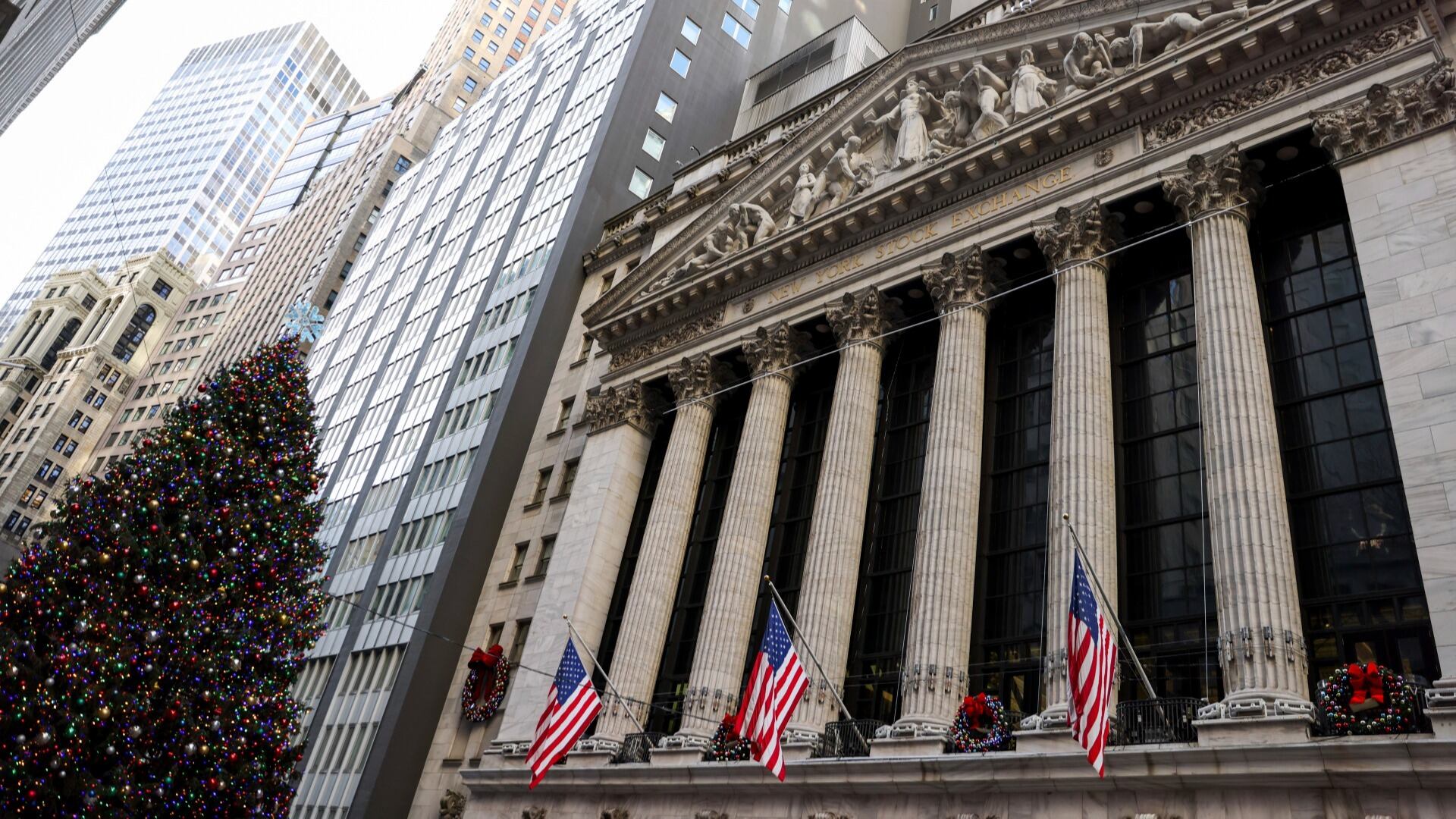
Banks and energy companies led a broad slide for stocks on Wall Street Tuesday, handing the S&P 500 its sixth loss in the last seven trading days.
The S&P 500 fell 0.6% after an early gain faded by midafternoon. The benchmark index’s 11 sectors all ended in the red, with banks, energy stocks and industrial and communication companies among the biggest drags on the index. The selling more than offset the S&P 500's modest gain from a day before.
The market had started higher after the latest data on inflation came in better than economists had expected, but reversed course within the first hour of trading, suggesting the report didn't ease investors' inflation worries. On Friday, the government reported that U.S. wholesale prices jumped sharply in August.
“There are still inflationary pressures even if they (consumer prices) came in lower than expected,” said Kristina Hooper, chief global market strategist at Invesco. “It doesn’t mean that it’s over.”
The S&P 500 fell 25.68 points to 4,443.05. The Dow Jones Industrial Average dropped 292.06 points, or 0.8%, to 34,577.57. The Nasdaq composite fell 67.82 points, or 0.5%, to 15,037.76.
Small companies fared worse than the broader market. The Russell 2000 index slid 30.80 points, or 1.4%, to 2,209.98.
U.S. consumer prices rose a lower-than-expected 0.3% last month, the smallest increase in seven months and a hopeful sign that inflation pressures may be cooling. Still, the report followed an 8.3% annual increase in wholesale prices last month from August 2020, the biggest annual gain since the Labor Department started calculating the 12-month number in 2010.
That report on prices at the wholesale level was worse than expected, signaling problems for companies contending with higher costs, Hooper said. Those costs could be passed along to consumers, but companies unable to do that could see their upcoming earnings get dented.
Inflation has been a key concern for investors, who are trying to gauge how it will impact both the economy’s recovery and the Federal Reserve’s policy on maintaining low interest rates. The central bank has said higher costs for raw materials and consumer goods will likely remain temporary as the economy recovers, but analysts are concerned that the higher prices could stick around and dent companies’ bottom lines while also crimping spending.
Bond yields eased following the Labor Department's report. The yield on the 10-year Treasury fell to 1.29% from 1.32% late Monday. It had been rising overnight to about 1.34% shortly before the report was released.
The lower bond yields weighed down banks, which rely on higher yields to charge more lucrative interest on loans. Bank of America fell 2.7% and JPMorgan dropped 1.7%.
The broader concerns about inflation and rising prices have added to choppy trading, along with lingering worries about how the more contagious delta variant of COVID-19 will impact an economy that's still finding its footing.
“This environment is likely to continue,” Hooper said. “It may seem uncomfortable because we had such a strong market for so long.”
Still, she expects stocks to continue making gains after Wall Street gets past much of the uncertainty over the Fed and the economic recovery, “but it could be a very bumpy road between now and then.”
Investors will get more information on the economy later this week. The Commerce Department will release retail sales for August on Thursday, giving another glimpse into consumer spending. The University of Michigan will release its consumer sentiment survey on Friday.
Elsewhere in the market, several companies made big moves on a mix of news.
Dietary supplement company Herbalife slumped 21.1% after cutting its profit and revenue forecasts. Wynn Resorts slid 10.9% for the biggest drop in the S&P 500 over concerns that its casinos in Macau could face stricter oversight as China tries to tighten regulations on a broad range of industries. Casino operator Las Vegas Sands also fell, closing 9.8% lower.
Cable provider Comcast fell 7.3% after the company warned about a slowdown in new cable customers.
Updated on September 14, 2021, at 5:01 p.m. ET.