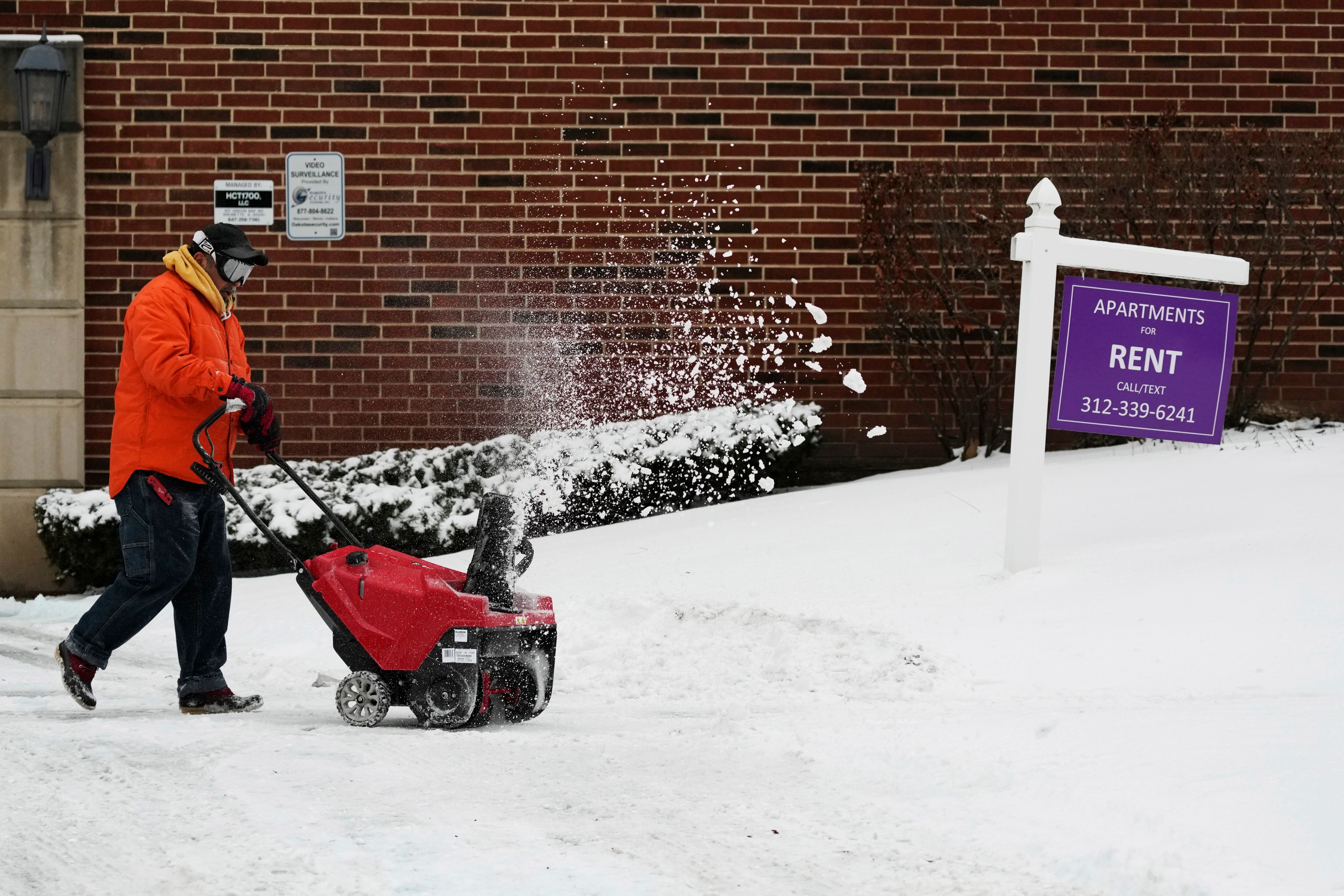
Parts of the south are bracing themselves for an onslaught of wet wintry weather that will last for most of the workweek.
Arctic air is forecasted to settle over areas stretching from the Southern Plains up through Tennessee and Kentucky and will be coupled with freezing rain, sleet, and potential snow in some locations.
Travel during the next four days could become dangerous as the potential for tree damage and downed power lines due to heavy ice increases. Roads are also expected to be slicked with ice.
In 2021, an extreme winter storm forced mass electricity outages across the state of Texas impacting nearly 5 million people -– many for longer than three days. Officials estimated that some 246 people died as a result of the blackout. Some disagree with that figure and say it is a stark undercount.
Around 50 million people are under winter weather advisory today.
The slow-moving weather system is expected to make its way to the Northeast by Saturday and plummet temperatures into the single digits for at least part of the day.
Contrary to the South, the Northeast has not seen much wintry weather this season. New York City is on track to set a record for the longest stand without measurable snow, which was set in 2020 with 332 days. The city's count currently sits at 327 since the last measurable snowfall.
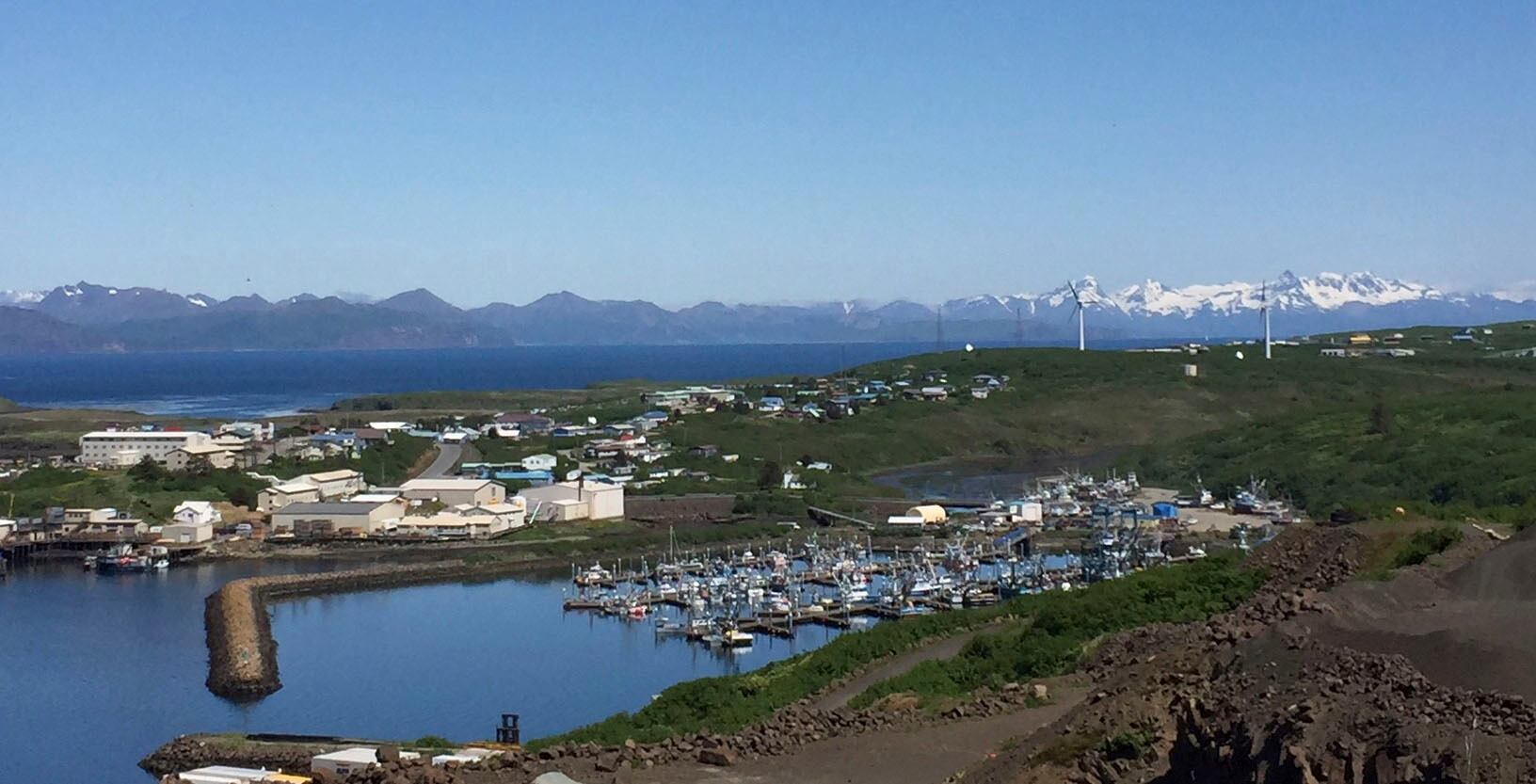
A 7.2 magnitude earthquake was reported in Alaska over the weekend, leading to a brief tsunami warning.
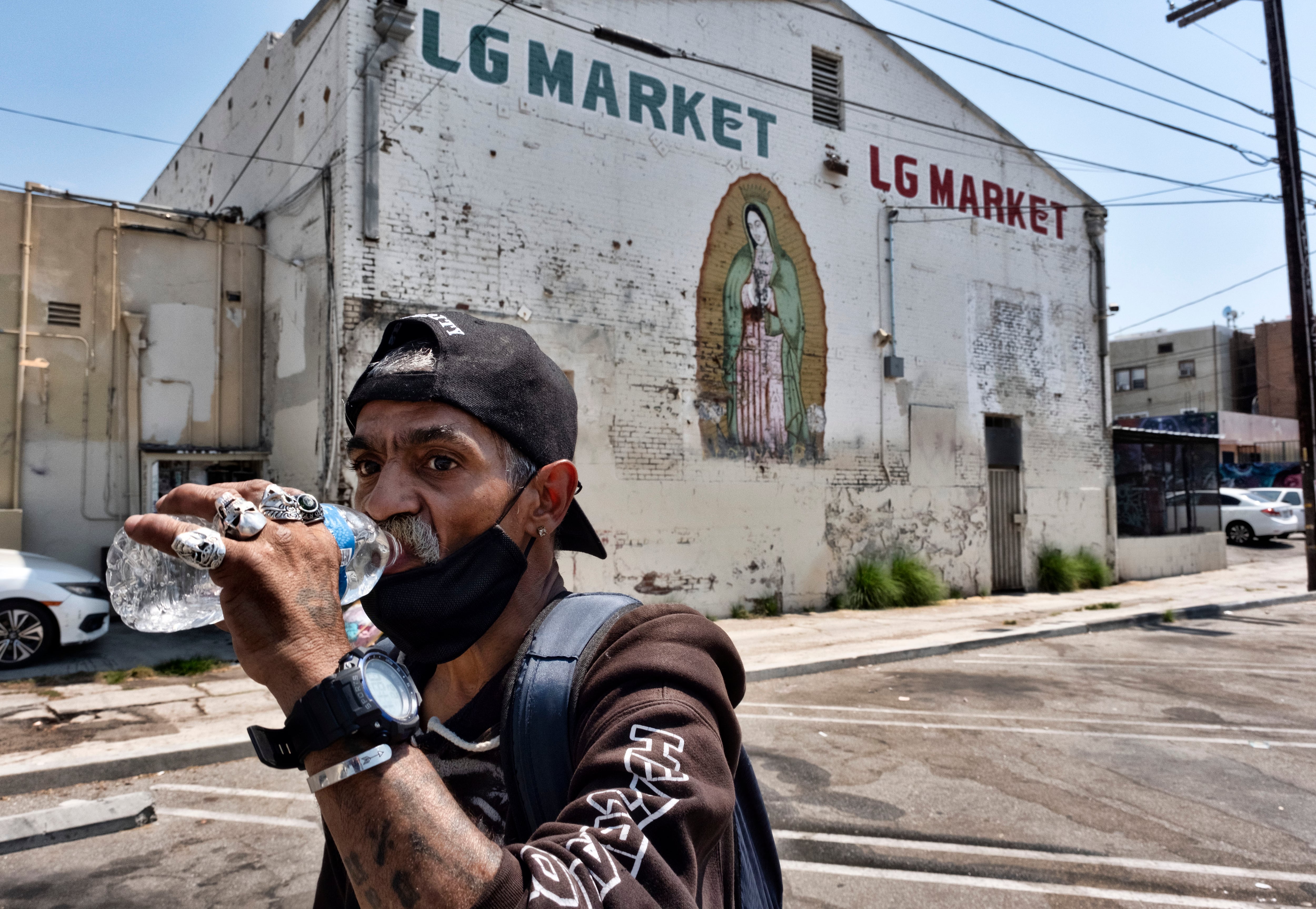
Over 11 million Americans are under a heat advisory, with the extreme weather hitting the southern U.S.
If someone's number is drawn Monday night, it will be the third-largest jackpot in Powerball's history — its largest was November 2022's $2.04 billion prize — and the seventh-largest of any U.S. lottery.
French President Emmanuel Macron hailed Birkin as a “complete artist,” noting that her soft voice went hand-in-hand with her “ardent” activism. Culture Minister Rima Abdul Malak called Birkin “the most French British person" and “the emblem for a whole epoch who never went out of fashion."
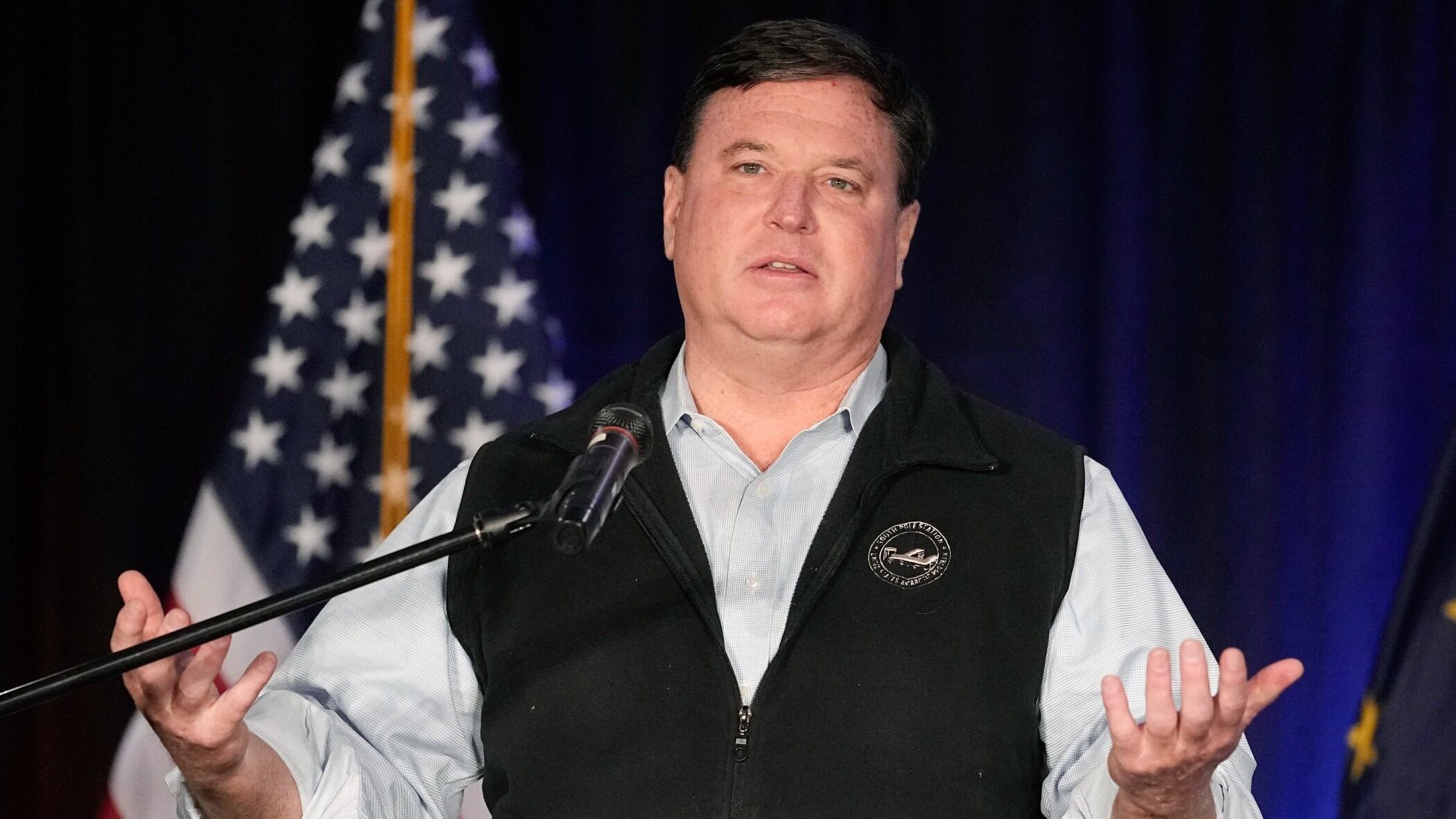
U.S. District Judge Karin Immergut ruled that banning large capacity magazines and requiring a permit to purchase a gun falls in line with “the nation’s history and tradition of regulating uniquely dangerous features of weapons and firearms to protect public safety," Oregon Public Broadcasting reported.
The court’s ruling applies to higher education institutions and other entities that receive federal funding and doesn’t directly change private employer obligations, but business leaders might pull back diversity, equity and inclusion programs to avoid lawsuits.
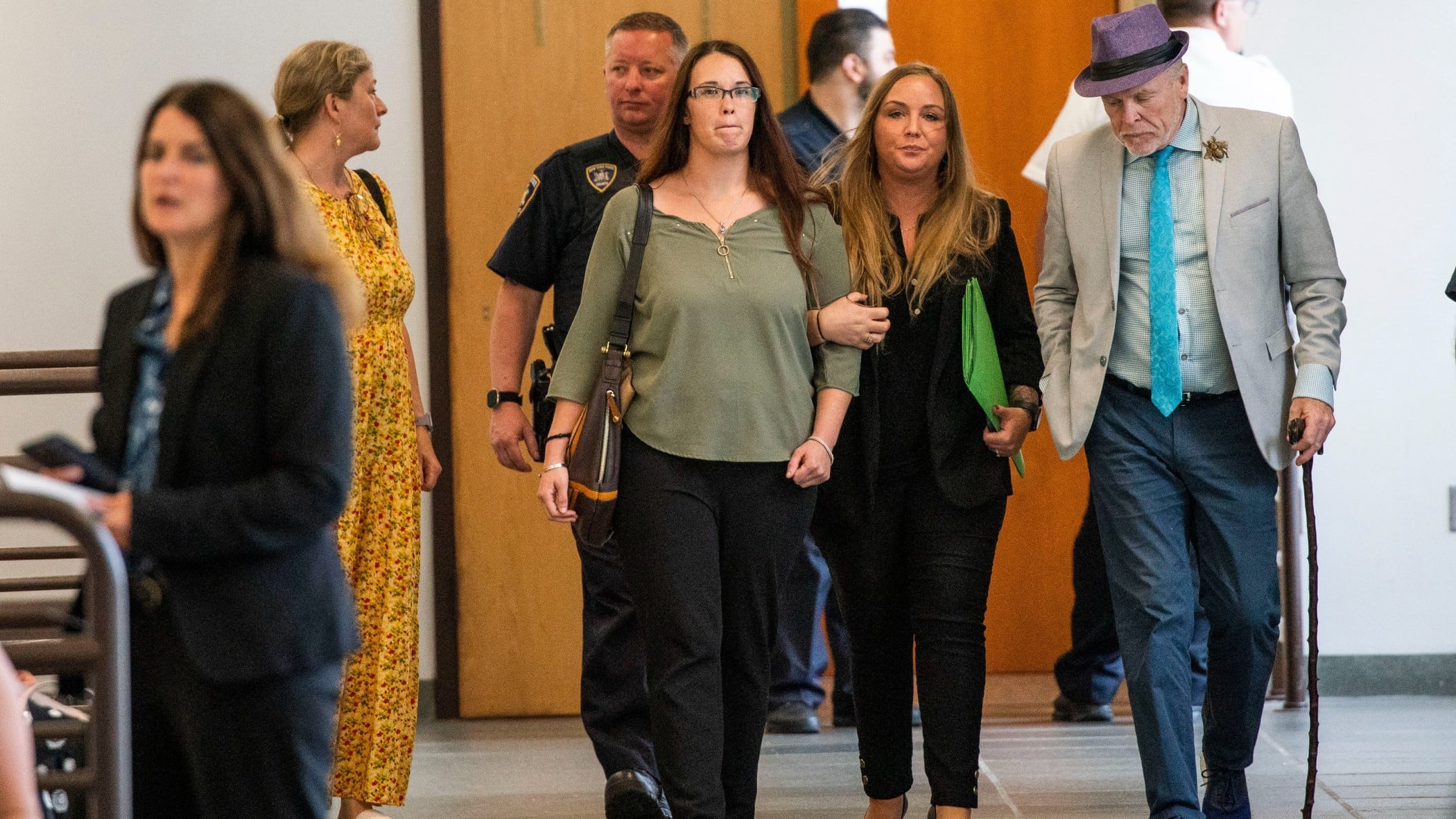
Families of four women who were killed and dumped along the coastline of New York's Long Island are trying to find closure after the capture of a man who authorities believe is responsible.
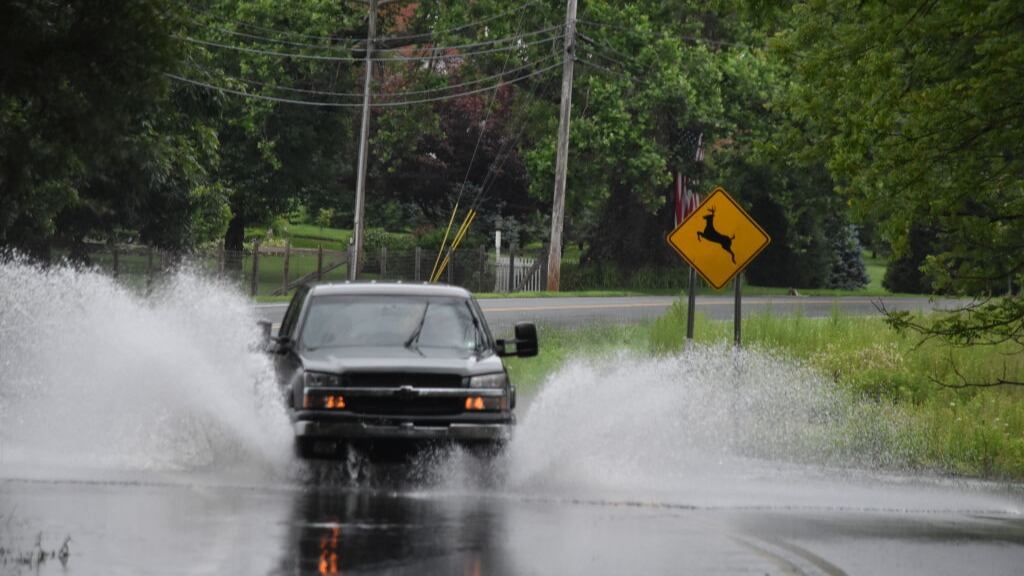
Heavy rains are hitting the Northeast for the second time in a week, causing flash floods, canceling flights and knocking out power.
Some desperate fans who can't find the chile sauce on store selves are paying price-gouging resellers on Amazon, eBay and Walmart.
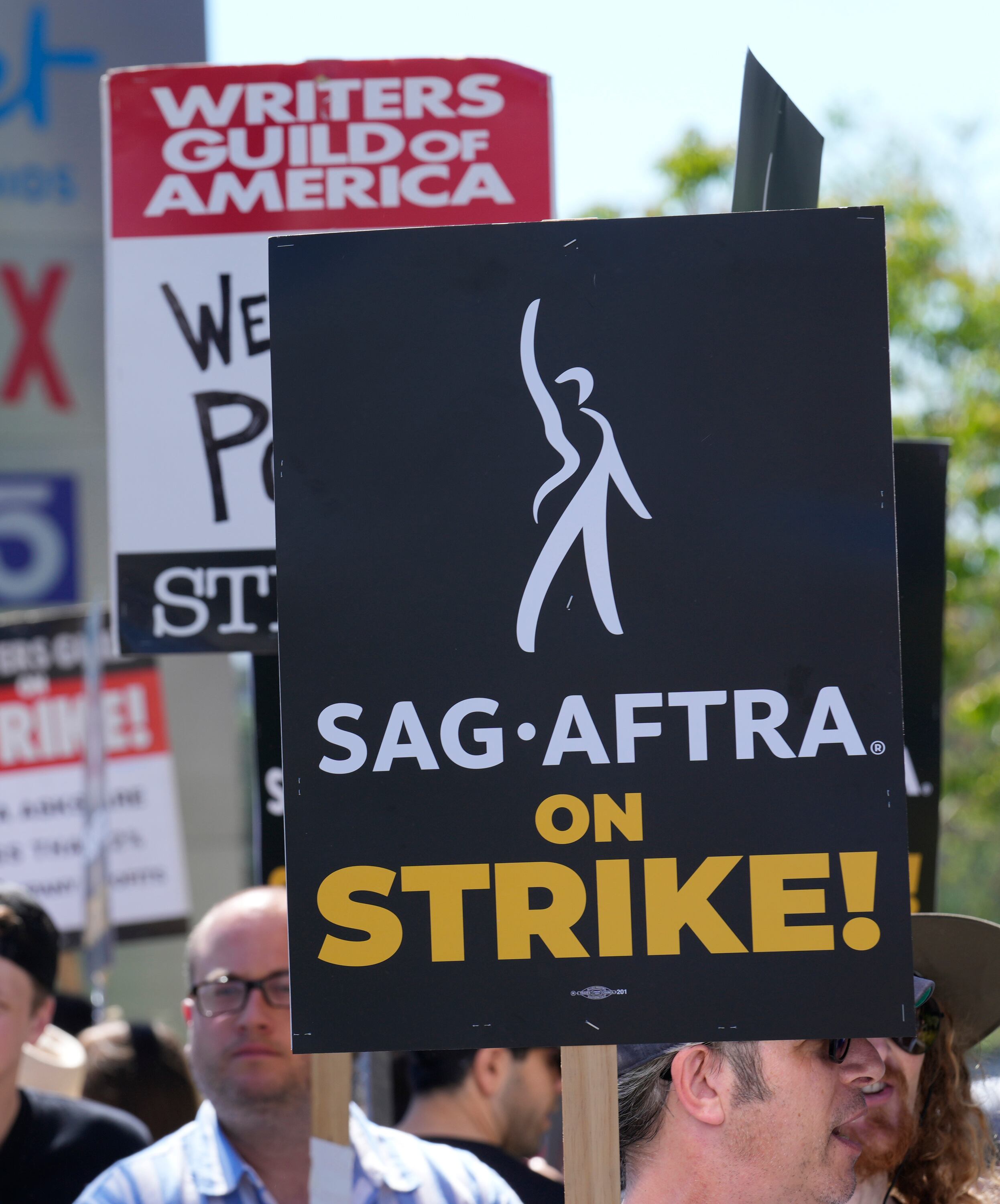
Members of the Screen Actors Guild - American Federation of Television and Radio Artists union officially went on strike Friday after negotiations broke down with the Alliance of Motion Picture and Television Producers. Cheddar News explains.