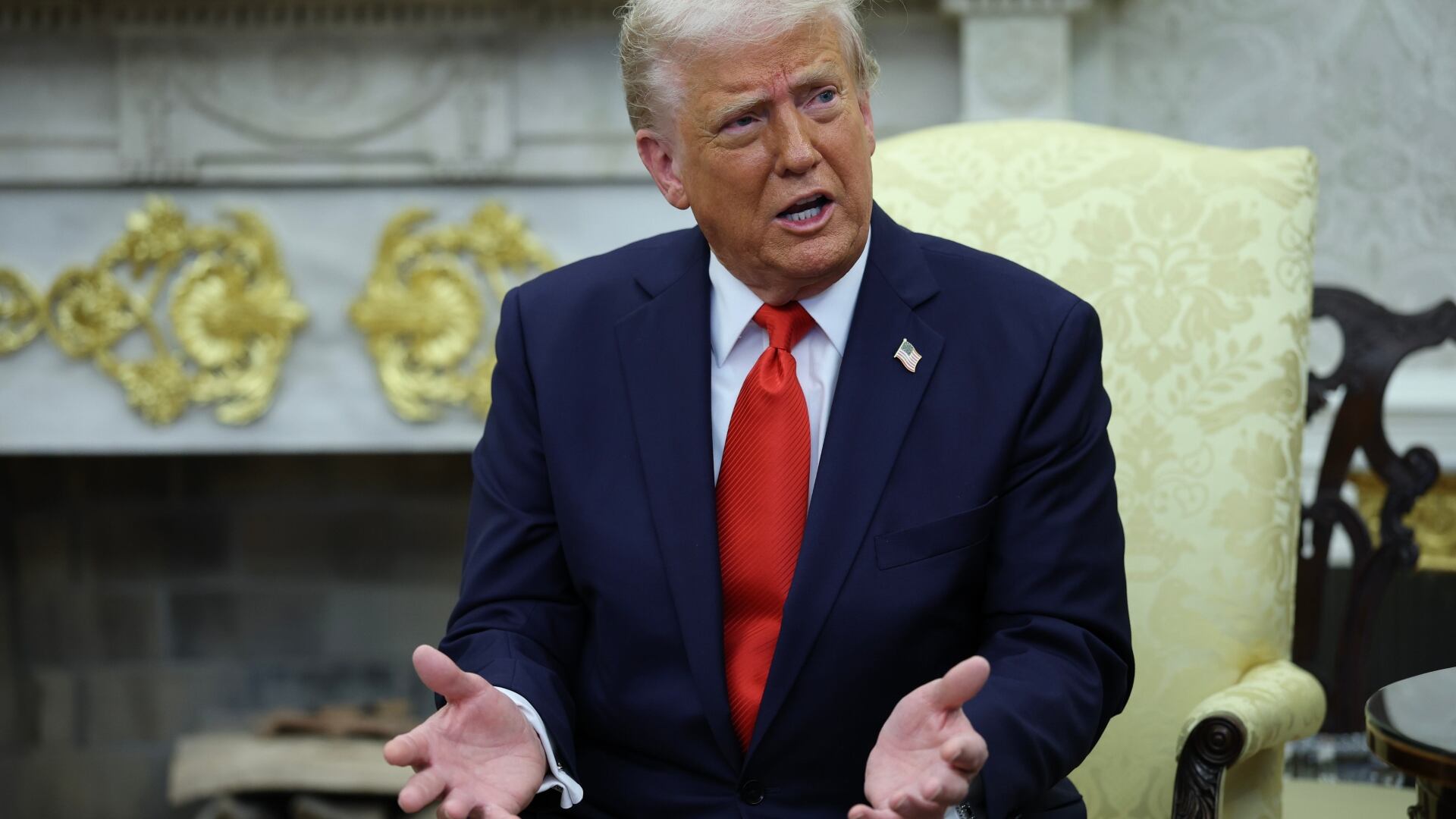
President Donald Trump set off a firestorm last week when he suggested that he would not grant the U.S. Postal Service the funding it requested as a means of interfering with the vote-by-mail process.
The reaction was fierce.
"We have to get back to understanding that democracy itself should not be politicized. Democracy means that the people choose who they vote for," Andrea Hailey, CEO of Vote.org, told Cheddar on Monday. "It's the job of election officials to make voting as accessible and as easy as possible."
In the days after the president's remarks, images of the USPS removing mailboxes in different cities caused a frantic stir on social media, although the agency says it was part of routine redistribution. The agency says it will stop the practice for the time being and plans to decommission large-scale mail sorters have also been postponed until after the election.
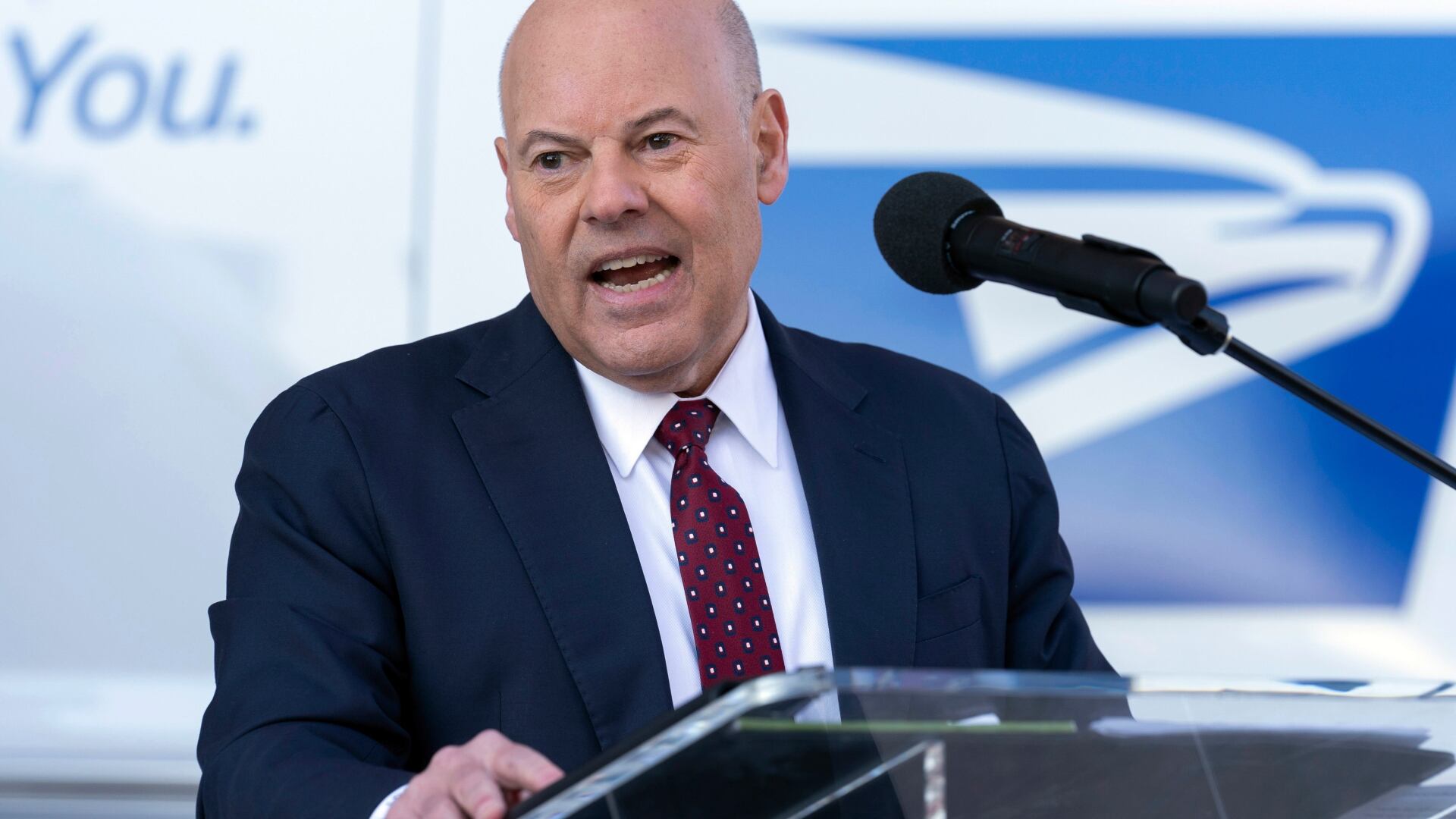
Postmaster General Louis DeJoy, a Trump appointee who just took the helm at USPS in June, will testify about election concerns before a House committee next week. Hailey expects Congress to grill DeJoy over the various cost-cutting measures that have been instituted since he took over in May.
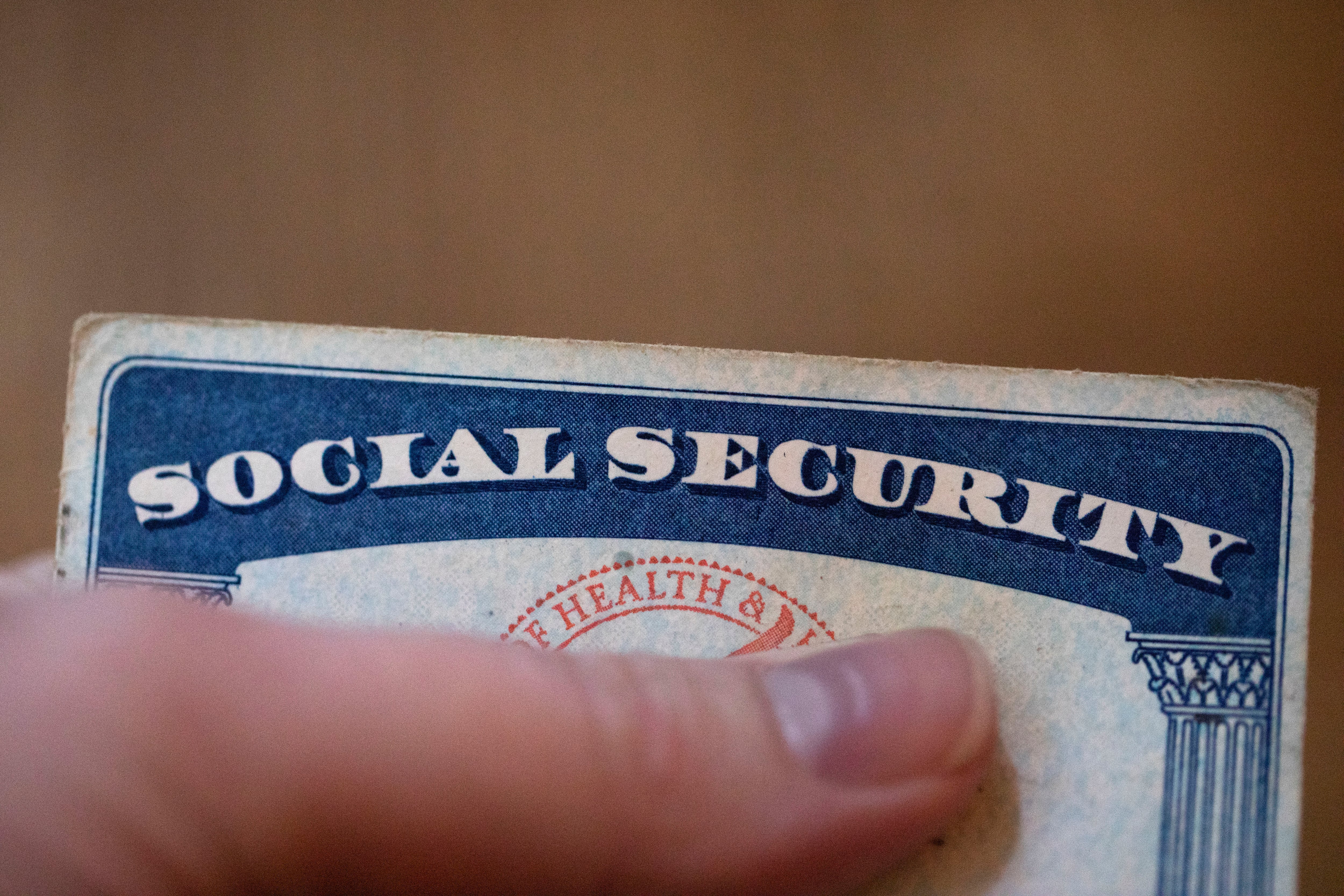
"People need the post office not only for elections but to receive their medications, to receive their social security checks," Hailey said. "It is essential that we protect the postal service this year."
The Social Security Administration’s acting commissioner has stepped down from her role at the agency over Department of Government Efficiency requests.
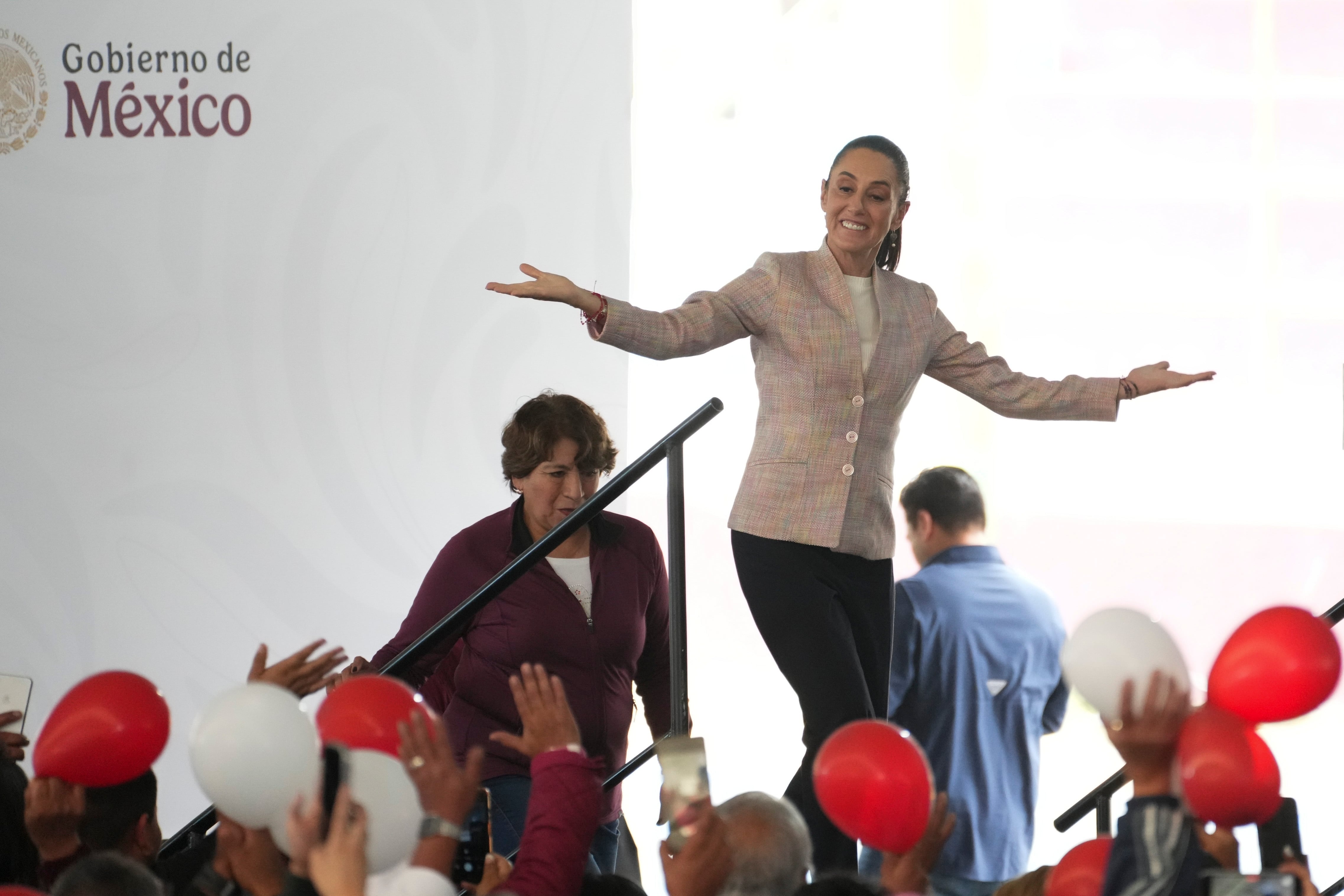
Mexican President Claudia Sheinbaum says her government is not ruling out filing a civil lawsuit against Google if it maintains its stance of calling the stretch of sea between northeastern Mexico and the southeastern United States the “Gulf of America.” Sheinbaum, in her morning press conference on Thursday, said the president’s decree to change the name of the Gulf of Mexico is restricted to the “continental shelf of the United States” because Mexico still controls much of the body of water. “We have sovereignty over our continental shelf,” she said.
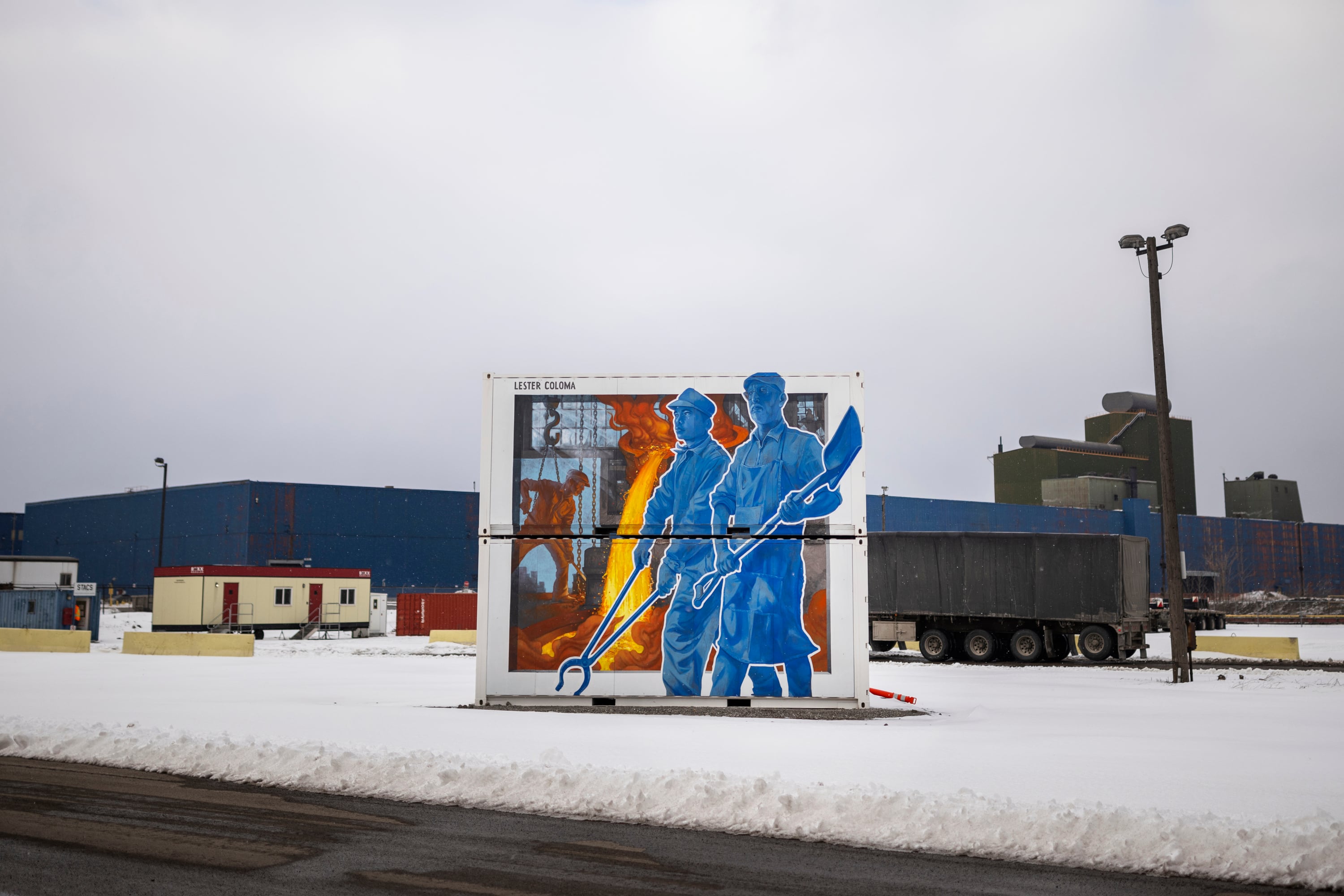
U.S. tariffs on steel and aluminum “will not go unanswered,” European Union chief Ursula von der Leyen vowed on Tuesday, adding that they will trigger toug
President Donald Trump is hitting foreign steel and aluminum with a 25% tax. If that sounds familiar, it’s because he did pretty much the same thing during