PayPal shares plunged as much as 12 percent Thursday after eBay decided to dump its long-time partner in favor of a competitor.
But Bill Ready, the payment processing company’s COO, said investors need time to digest this news.
“One of the things people don’t understand fully about this is that when we spun out of eBay that there was an operating agreement in place that talked about, over time, we become two fully independent companies,” he told Cheddar in an interview. “Not only would eBay be able to work with others for things like card processing, but also that we’d be able to partner with all the fastest growing marketplaces around the world.”
EBay announced a multi-year deal Wednesday for Amsterdam-based Adyen to provide back-end payment processing. PayPal will still remain a payment option for eBay customers, but it won’t be featured as prominently.
That’s a big change for PayPal, which was acquired by eBay in 2002 and spun off in 2015. But Ready says the company’s other businesses hold more opportunity.
“Our marketplace business outside of eBay is already many tens of billions of dollars in volume, growing at about 50 percent per year, versus our legacy eBay business which is growing at about 4 percent per year.”
For full interview, [click here](https://cheddar.com/videos/paypal-coo-responds-to-companys-break-up-with-ebay).
In an annual assessment of global inequalities, Oxfam International said the first trillionaire could emerge within the next decade — as the anti-poverty organization pointed to the growing wealth gap that skyrocketed globally during the pandemic.
The Biden administration proposed a cost drop for overdrawing bank accounts, which it says could particularly relieve Americans living paycheck to paycheck.
With thousands of layoffs in tech and beyond, how workers can keep their skills sharp, plus reasons to be hopeful when looking at the job market.
Taking a look at investment strategy as the new year gets into full swing.
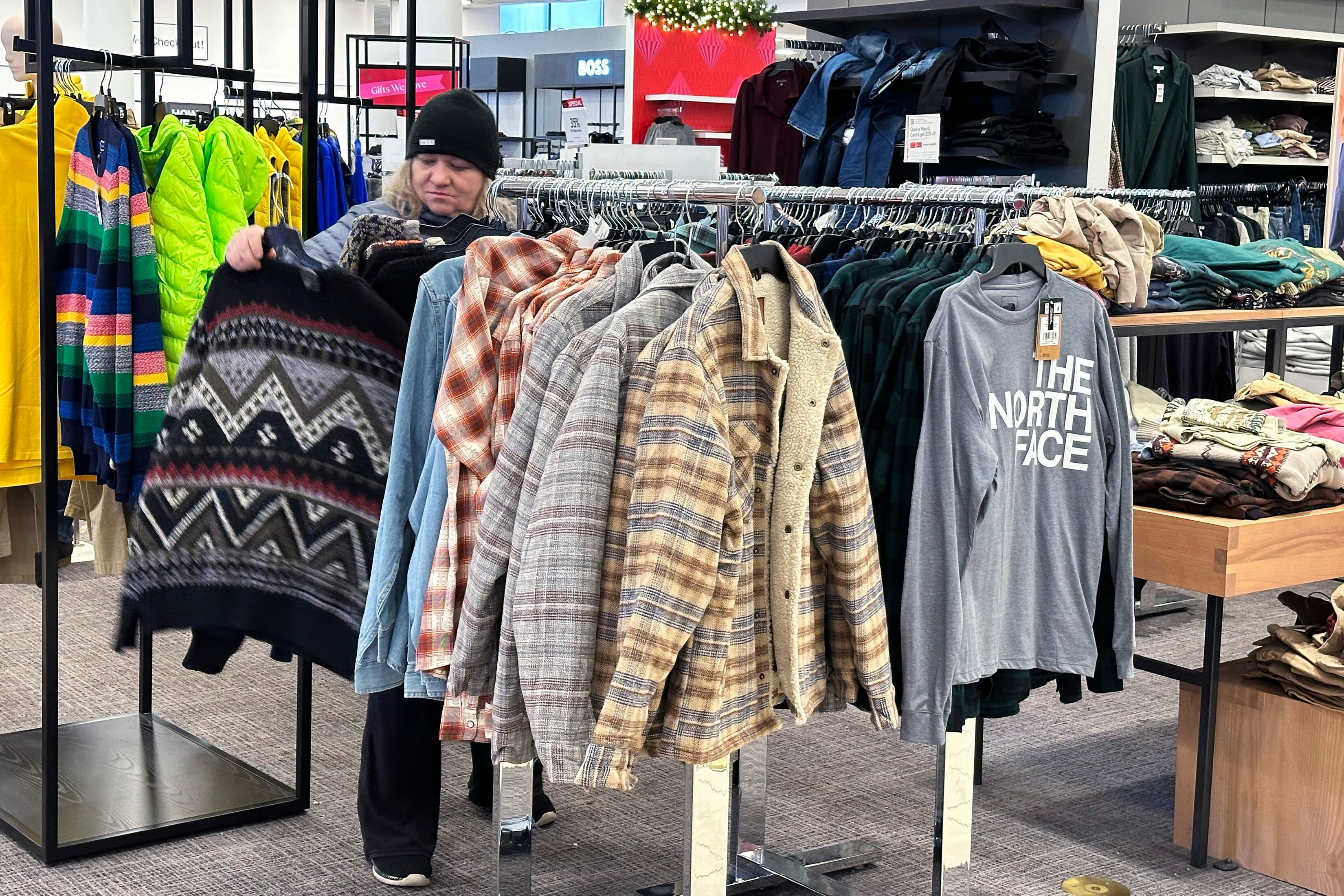
Americans stepped up their spending in December more than expected, closing out the holiday season and the year on an upbeat tone. The Commerce Department said retail sales rose 0.6% in December compared with a November’s 0.3% increase.
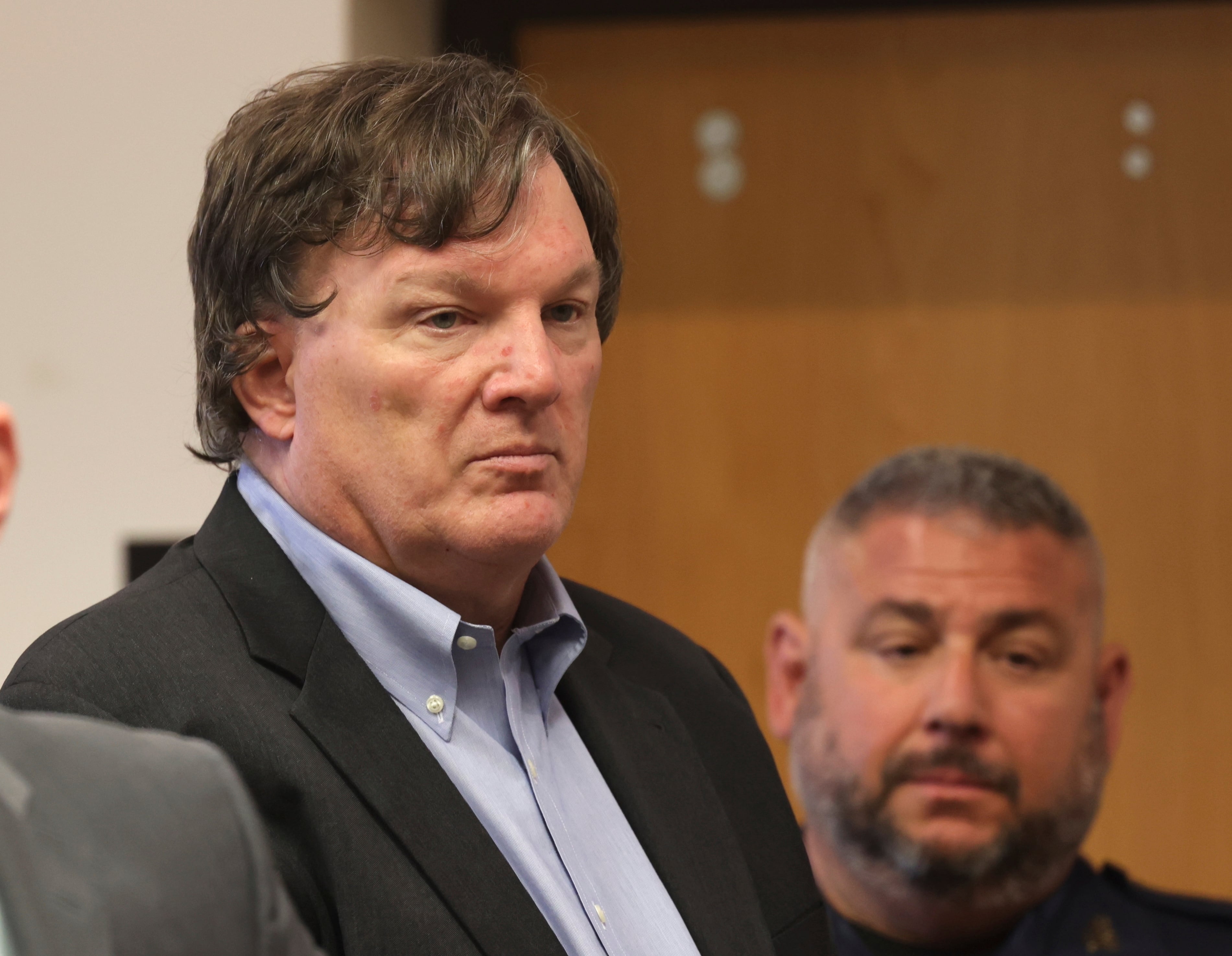
A New York architect charged in a string of slayings known as the Gilgo Beach killings was accused in a 25-year-old Connecticut woman's death.
Uber purchased Drizly in a cash-and-stock deal for $1.1 billion in 2021. The drink delivery app will shut down in March, according to Uber.
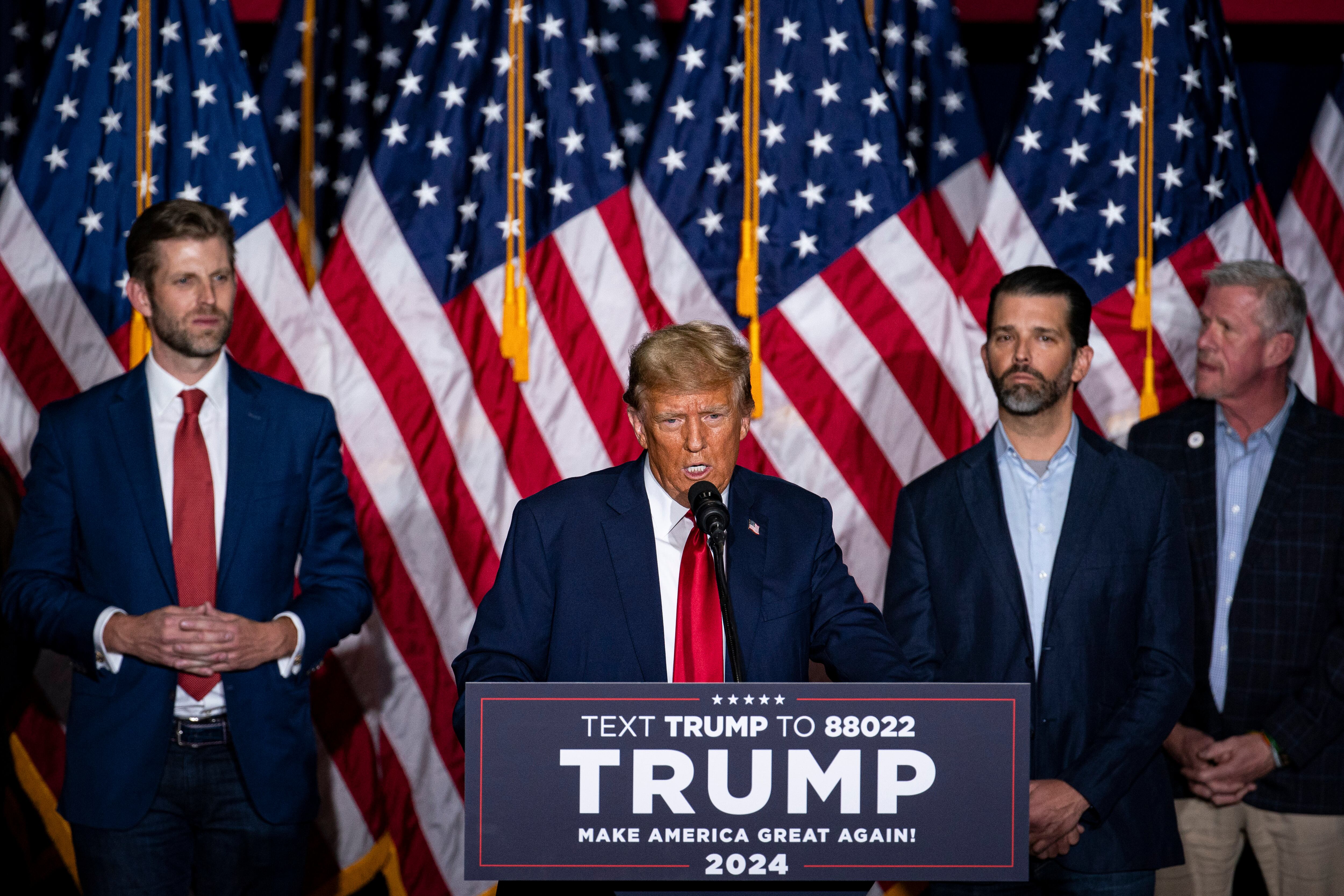
After Donald Trump's victory at the Iowa caucus, Nikki Haley and DeSantis continue their campaigns as New Hampshire's primary looms.
Christine Short, VP of Research at Wall Street Horizon, shares insights on small and big banks earnings, a fresh round of layoffs in the tech world, and what to expect from upcoming rate decisions.
More executives are feeling better about the global economy. But a growing number don’t think their companies will survive the coming decade without a major overhaul because of pressure from climate change and technology like artificial intelligence.