The leading AI chatbot just came out with a new version, and the technology space is buzzing about the possibilities.
OpenAI has released a fourth version of ChatGPT, called GPT-4, that understands images. This means it can look at a photo and provide general information about what's in it and answer questions based on its properties.
The new version also has a larger database, allowing it to provide more accurate information and write code in all major programming languages.
OpenAI touted the chatbot's ability to communicate in other highly technical formats.
"GPT-4 is more creative and collaborative than ever before," the company wrote on its website. "It can generate, edit, and iterate with users on creative and technical writing tasks, such as composing songs, writing screenplays, or learning a user’s writing style."
The company also said the version is capable of "advanced reasoning capabilities" and provided examples of it solving complicated logical puzzles.
The first version of the chatbot was released just a few months ago and is already considered the fastest-growing consumer application in history.
Alex Valaitis, who writes a newsletter about AI, tweeted that the ChatGPT update was "biggest release since the iPhone."
Quantum computing is moving from science fiction to national strategy. Infleqtion CEO Matt Kinsella explains Trump's new executive order and what it means.
Foundation Robotics co-founder Michael LeBlanc explains how humanoid robots are moving from the lab to military and industrial missions and what comes next.
Jeff Burnstein, President of the Association for Advancing Automation (A3), discusses humanoid robots, AI, smart manufacturing, and the future of U.S. industry.
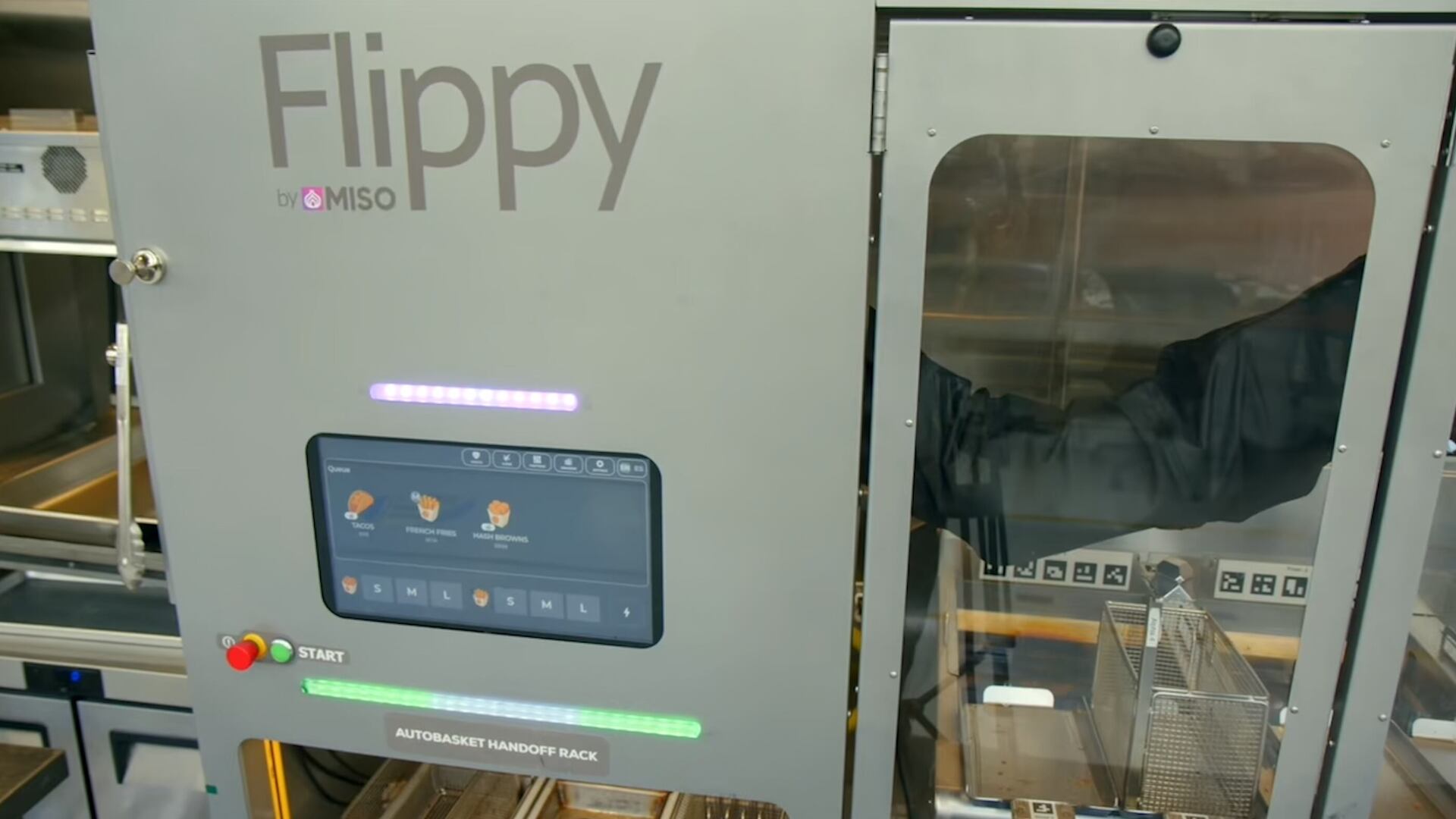
Miso Robotics CEO Rich Hull discusses Flippy Fry Station, the future of AI-powered restaurant automation and how acquiring Zume's IP could reshape food robotics
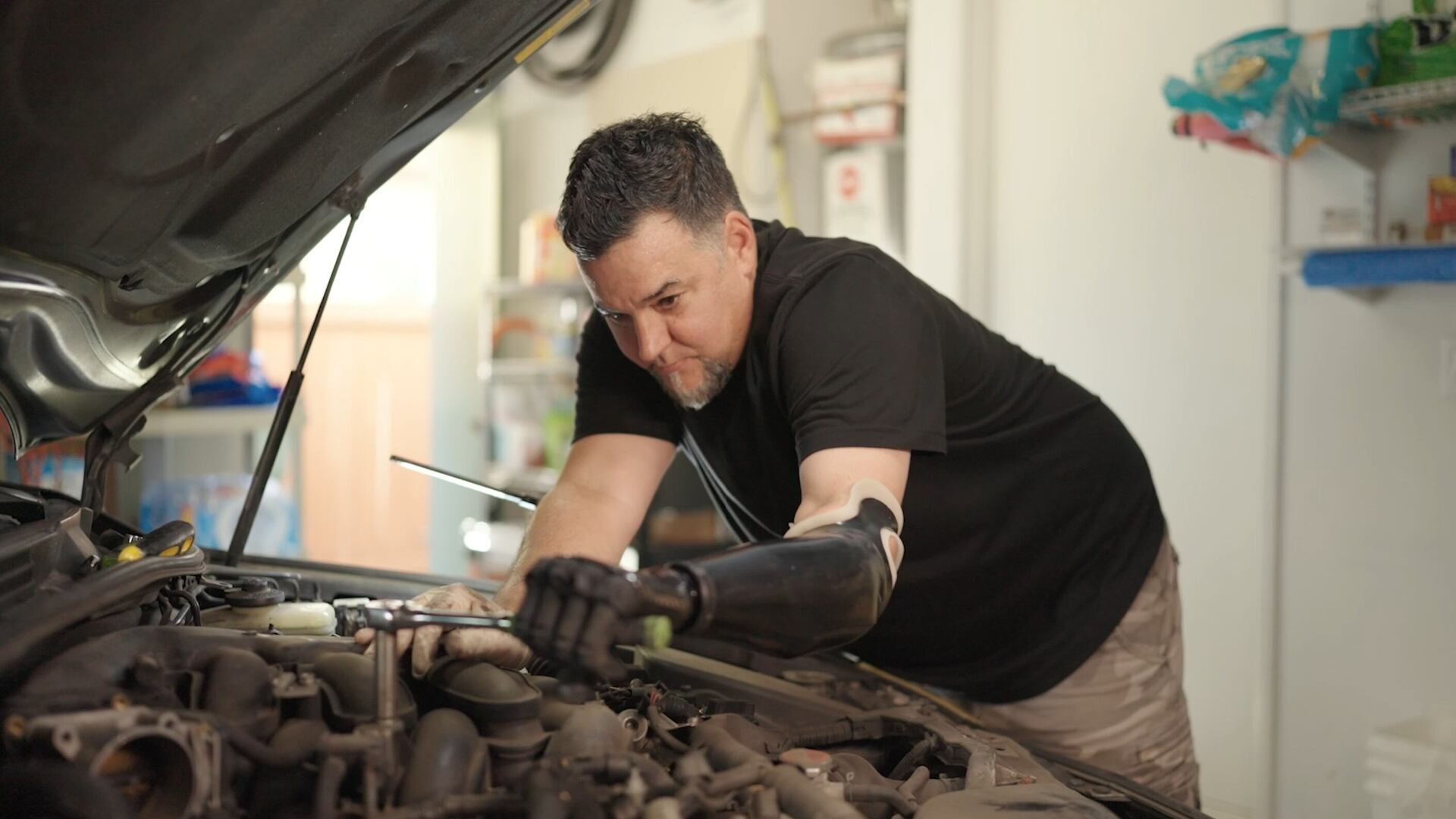
PSYONIC CEO Dr. Aadeel Akhtar explains how the company's Ability Hand restores sensation for amputees while helping train smarter, more capable AI robots.
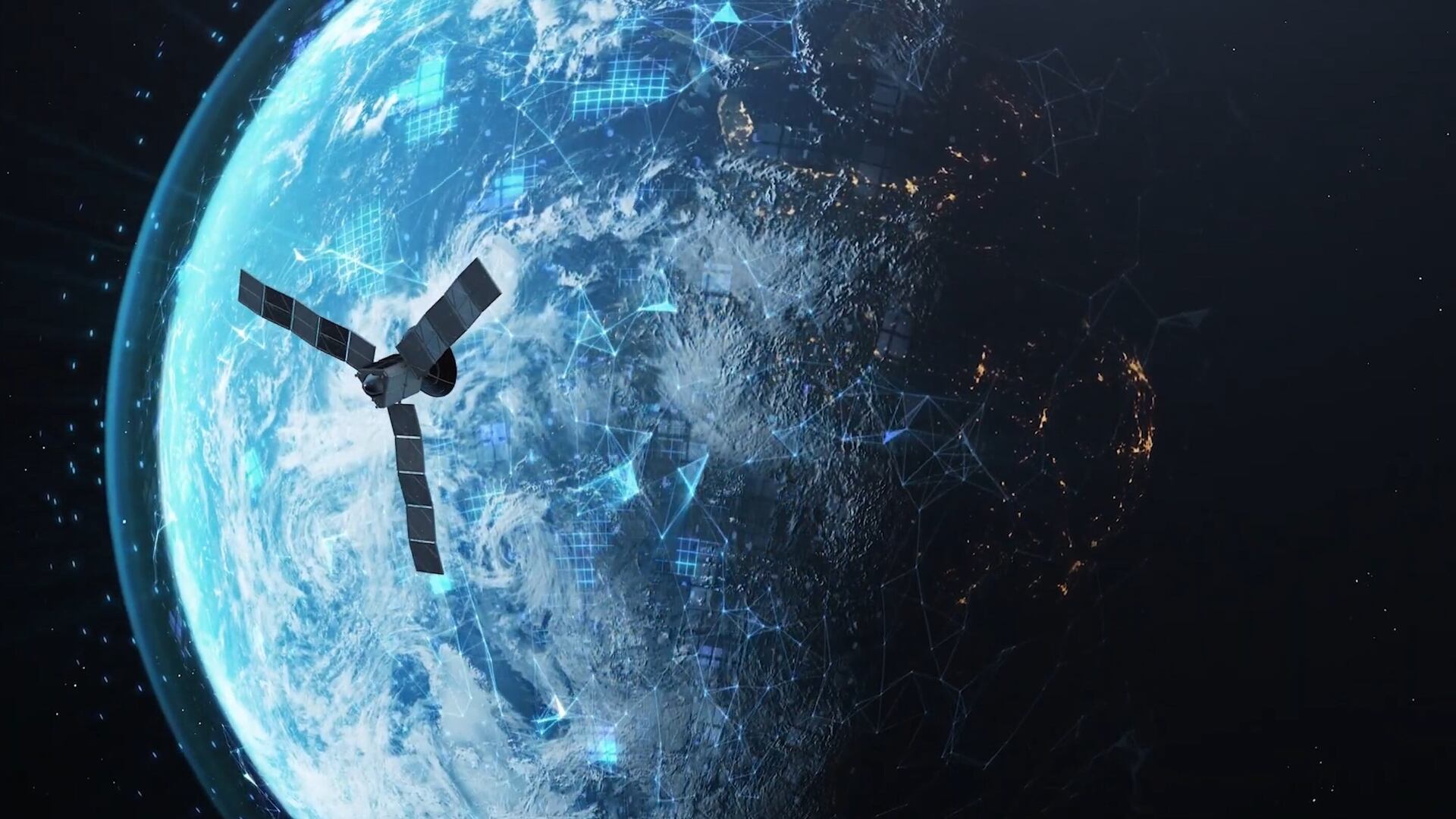
Andrew Rush, CEO of Star Catcher Industries, joins us to discuss how wireless power transmission could reshape satellite technology and space communications.