Dina Fine Maron, Editor of Health & Medicine at Scientific American, joins Cheddar to discuss some of the biggest changes to science regulations we'll see in 2018. From food labels to nonaddictive cigarettes, people need to be aware of what might affect their everyday lives.
A revamped nutrition label was slated to debut in July of 2018, however the Trump administration is giving companies a longer window. Major companies now have until 2020 and smaller companies have until 2021. The new labels will have more detail on added sugar and calorie count. However, critics say the delay could be a major blow to the public's health.
Plus, the U.S. Food and Drug Administration aims to create a nonaddictive cigarette with lower nicotine levels. It hopes this will help smokers quit. However, the agency opened up the conversation to the public for input which will ellicit some strong views from the tobacco industry.
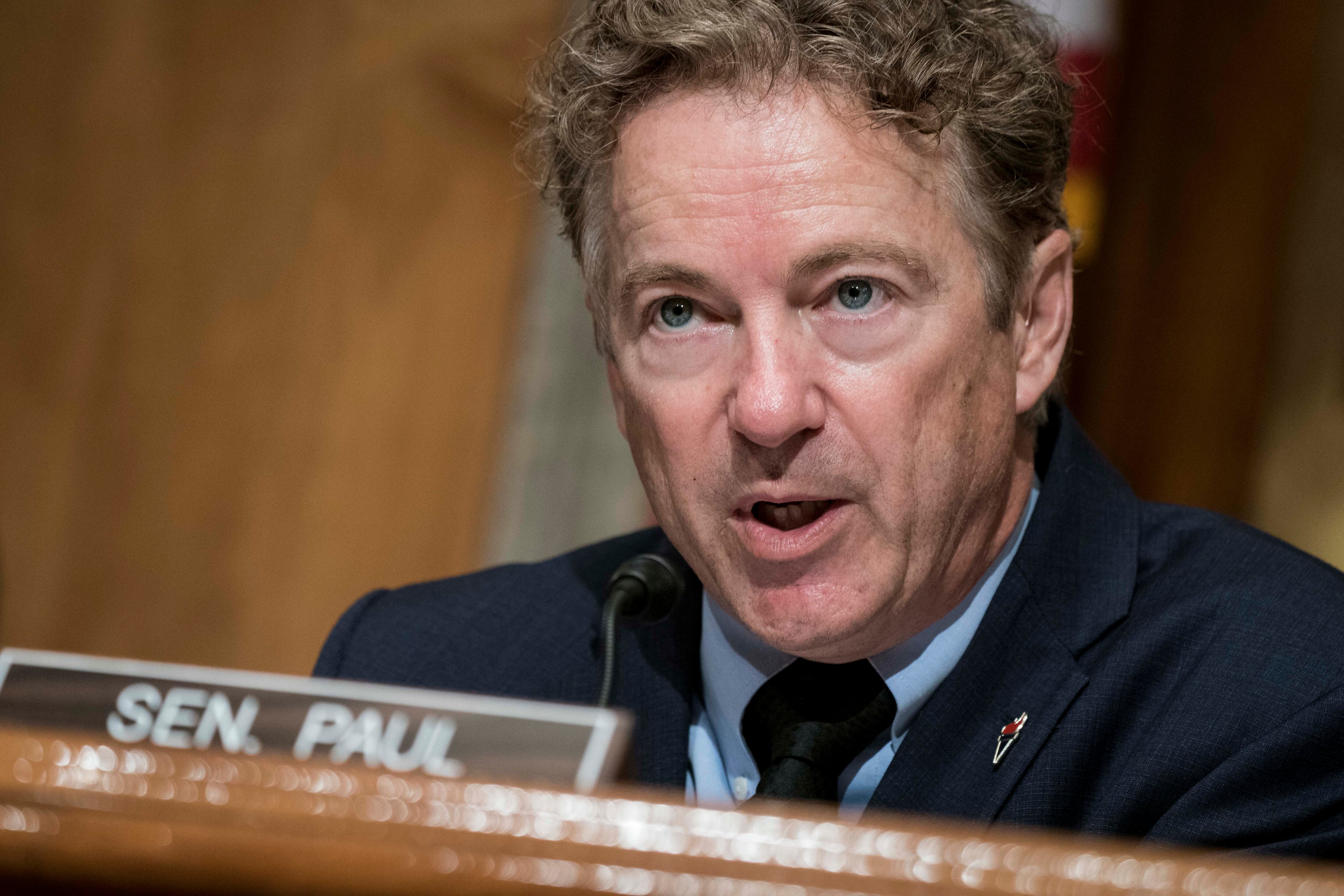
Sen. Rand Paul of Kentucky has tested positive for the novel coronavirus, becoming the first case of COVID-19 in the Senate and raising fears about the further transmission of the virus among Republicans at the Capitol.
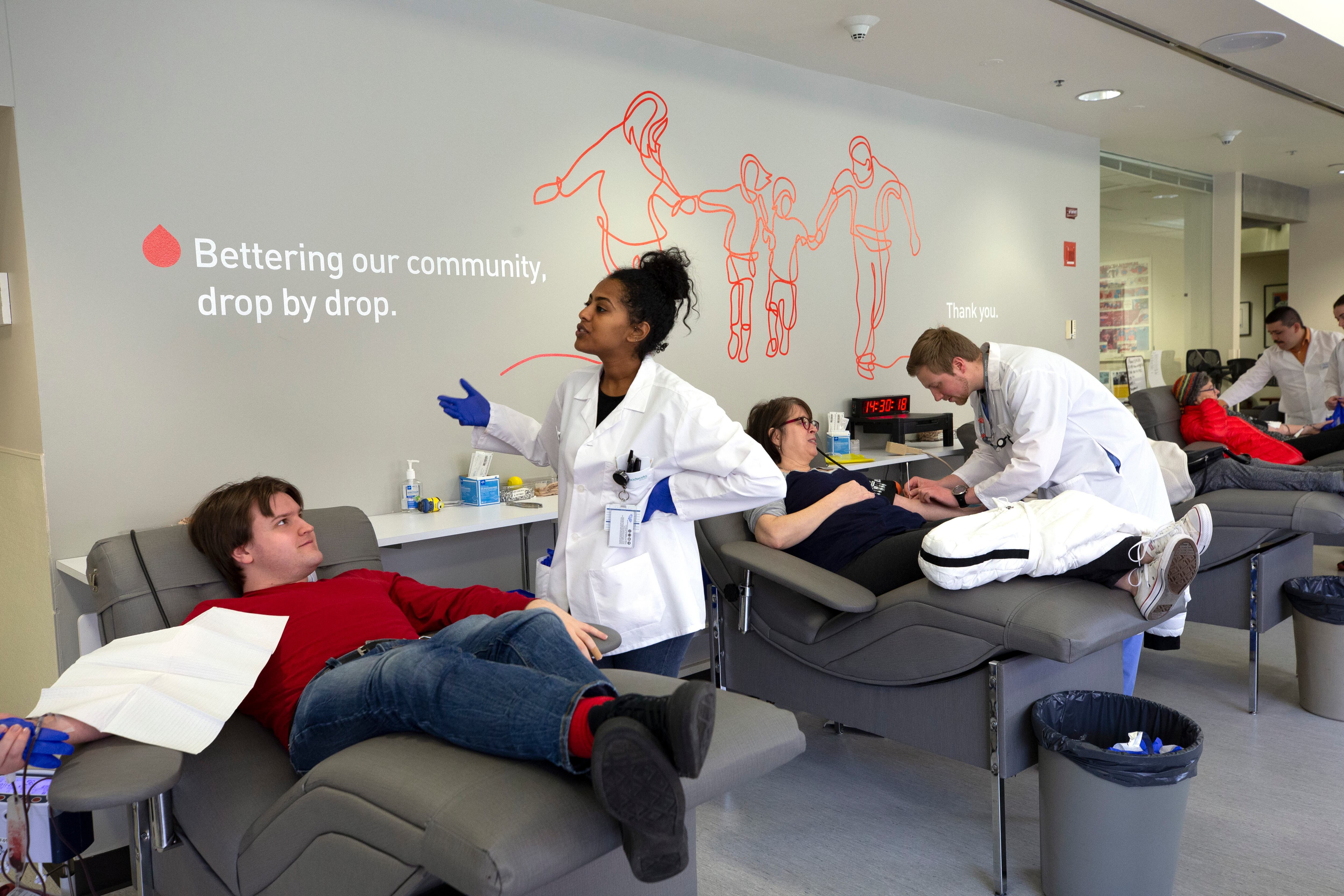
Americans capable, willing, and able to donate blood are encouraged to do so during an era of social distancing.
New York is joining California in seriously altering daily operations after Governor Andrew Cuomo announced he will sign an executive order mandating that 100 percent of the non-essential workforce stay home. The order will go into effect Sunday night.
Stocks turned lower Friday on Wall Street after New York became the latest major state to mandate nearly all workers stay home to limit the spread of the new coronavirus.
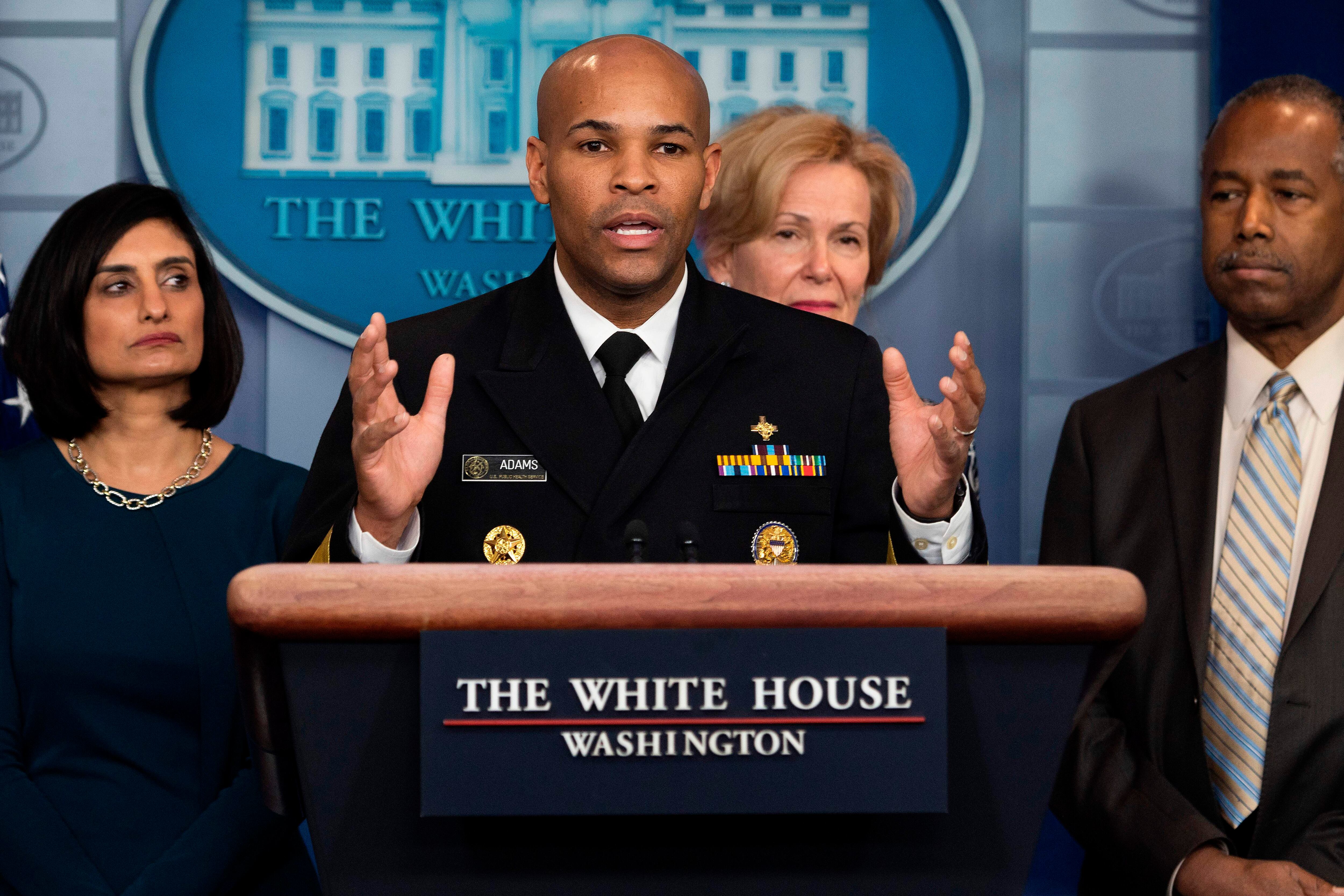
Surgeon General Dr. Jerome Adams on Thursday warned young people that they are not immune to the worse consequences of the coronavirus outbreak.
The demographics of U.S. victims reflect adults most at risk — those who have died from COVID-19 range in age from their 50s to their 90s, and the overwhelming majority suffered from pre-existing conditions like diabetes, emphysema, and heart problems.
In the morning conference, the governor also waived mortgage payments for 90 days and revealed the spike in new cases bringing the full total to 4,152, the most in the nation.
The drug, hydroxychloroquine, was developed more than a half-century ago and is approved for treating malaria, arthritis, and other ailments. Reports out of China and Italy suggest the drug may help, but there is no hard data yet.
As the U.S. struggles to ramp up testing and respond to the spread of novel coronavirus within the nation’s borders, the president announced a series of stepped-up efforts to help the country and individuals.
Global coronavirus cases have surpassed 200,000 Wednesday morning and more than 8,200 have lost their lives since a novel virus appeared in the Hubei province of China late last year.