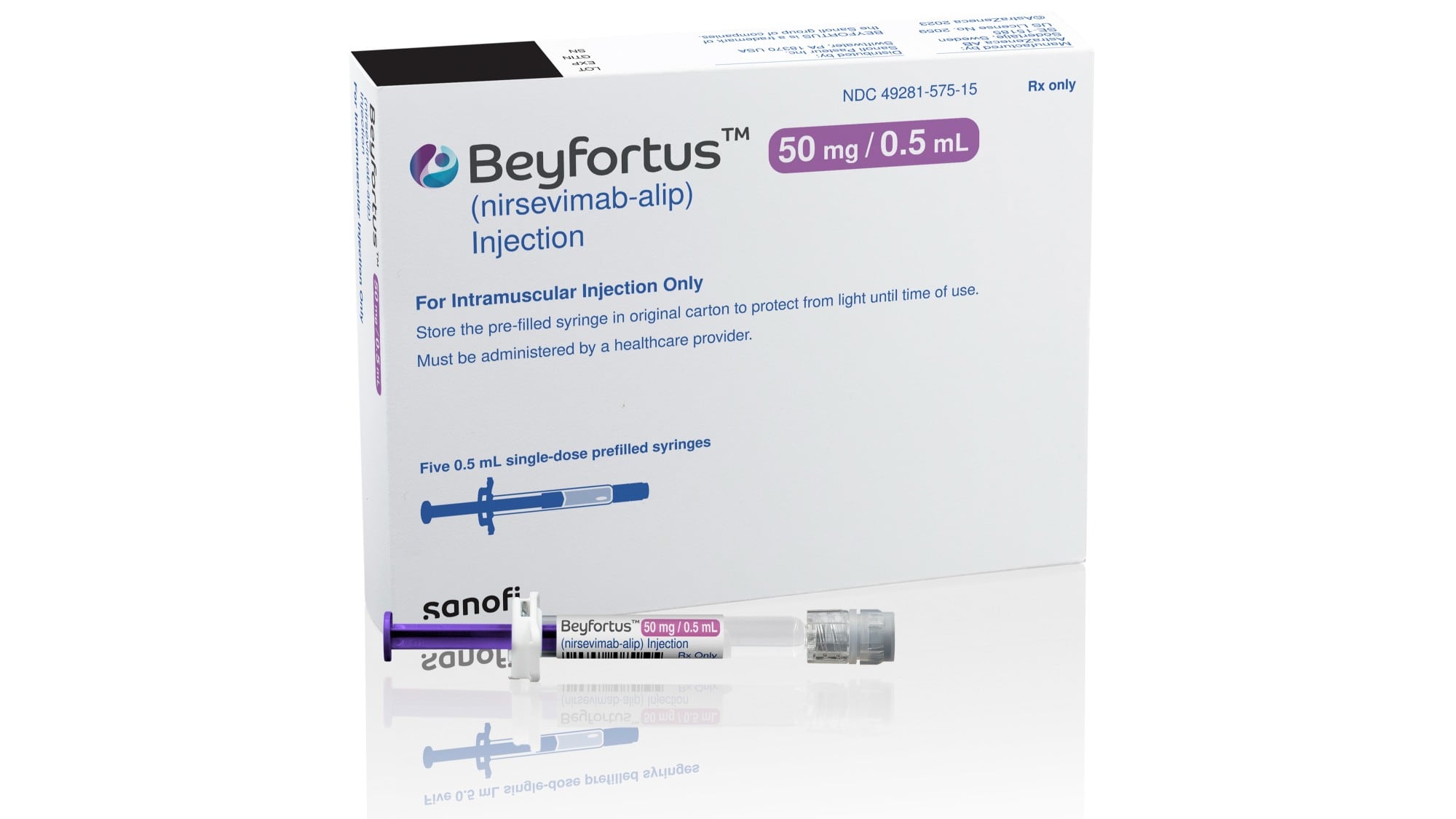
This illustration provided by AstraZeneca depicts packaging for their medication Beyfortus. U.S. officials have approved a new long-acting drug to protect babies and toddlers against a respiratory virus that causes thousands of hospitalizations each year. The Food and Drug Administration on Monday, July 17, 2023 approved the injection for infants and children up to 2 years old. (AstraZeneca via AP)
By Matthew Perrone
U.S. officials on Monday approved the first long-acting drug to protect babies and toddlers against a respiratory virus that sends tens of thousands of American children to the hospital each year.
RSV is a cold-like nuisance for most healthy people, but it can be life-threatening in the very young and the elderly.
The Food and Drug Administration approved the injection for infants and children up to 2 years old who face increased risk of severe RSV.
“Today’s approval addresses the great need for products to help reduce the impact of RSV disease on children, families and the health care system” said FDA's Dr. John Farley in a statement.
Last year, a surge in RSV cases flooded U.S. hospitals with wheezing children. There are no vaccines for babies yet, though Pfizer and other companies are working on them.
AstraZeneca’s drug, to be sold under the brand name Beyfortus, is a laboratory-made version of an antibody that helps the immune system fight off RSV. Under the FDA approval, babies — including preterm infants — can receive a single injection to protect against their first season of RSV, which typically lasts about five months. Children up to age 2 can receive another dose to protect them during their second season facing the virus.
Beyfortus, which will be marketed in the U.S. by Sanofi, is already approved in Canada, Europe and the U.K. Sanofi did not immediately announce the U.S. price of the treatment.
FDA officials approved the drug based on three studies showing Beyfortus reduced the risk of RSV infection between 70% and 75% among infants and children 2 and younger.
Advisers to the Centers for Disease Control and Prevention will meet early next month to recommend exactly who should get the drug.
A similar antibody drug won FDA approval more than 20 years ago, but it’s only recommended for high-risk babies and requires monthly injections. Pediatricians say the drug is underutilized and they expect the longer-lasting effect of AstraZeneca's shot to improve uptake.
In the U.S., about 58,000 children younger than 5 are hospitalized for RSV each year and several hundred die.
After decades of setbacks for RSV research, drugmakers have made big strides this year, launching the first vaccines against the virus. In May, the FDA approved two RSV vaccines for older adults from GlaxoSmithKline and Pfizer. In August, the FDA is expected to make a decision on approving Pfizer’s vaccine for pregnant women, with the aim of passing along protection to their newborns.
The Associated Press Health and Science Department receives support from the Howard Hughes Medical Institute’s Science and Educational Media Group. The AP is solely responsible for all content.
Bioscience and genetic engineering company, Colossal, raised $60 million in a Series A funding round. Colossal is focused on developing new technologies and genetic tools to restore extinct species, and protect critically endangered species. One of the startup's long-term goals is to resurrect the woolly mammoth, and return it back to the arctic. Colossal also says it is developing technology that expands beyond animals, and has the potential to advance human health. Ben Lamm, co-founder and CEO of Colossal, joins Cheddar News' Closing Bell to discuss.
Residents were cleaning their homes Thursday after a 7.4-magnitude earthquake struck off the coast of Fukushima in northern Japan, smashing furniture, knocking out power and killing four people.
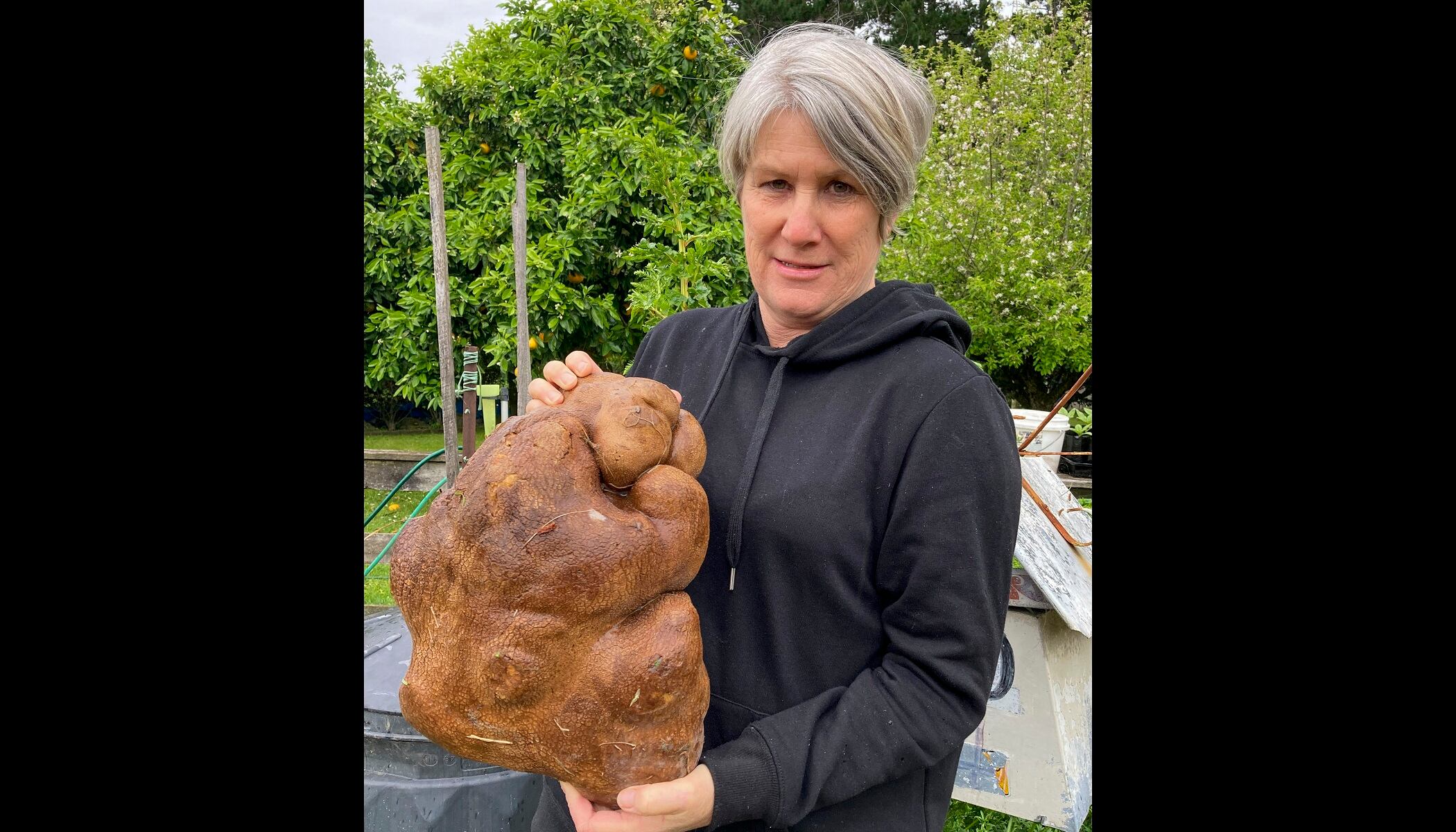
A New Zealand couple who believed they had dug up the world’s largest potato had their dreams turned to mash after Guinness World Records wrote to say that scientific testing had found it wasn’t, in fact, a potato after all.
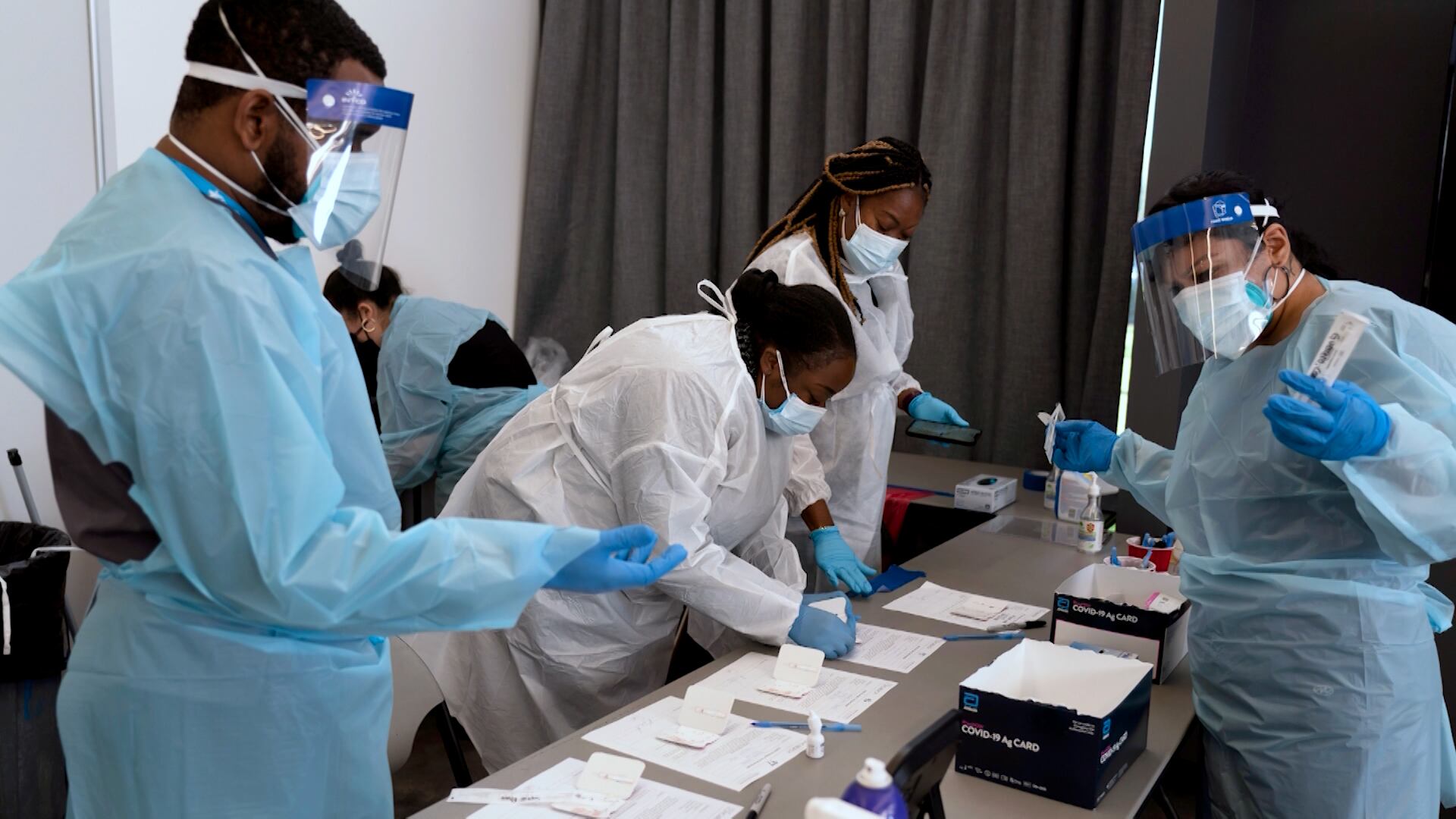
Two years into the pandemic, many of us have regained a sense of normalcy. However, those in the healthcare industry are still confronting the virus every day, dealing with the physical, mental and psychological stress of the ongoing pandemic. Ben Mirtes, CFO of Ingenovis Health and Lydia Mobley, a travel nurse with Faststaff, who has spent the last two years going from hotspot to hotspot, joined Cheddar’s Opening Bell to reflect on their experiences in healthcare, and discuss why they are optimistic about a path forward.
Catching you up on what you Need to Know on March 16, 2022, with updates on Ukraine and Russia, a container ship gets stuck in the Chesapeake Bay, Disney employees stage a walkout over the "Don't Say Gay" law in Florida, and NASA completes its first spacewalk of 2022.
Food technology startup Tender Food raised $12 million in a seed round led by Chris Sacca's Lowercarbon Capital. Tender says it specializes in creating alternative meats with an authentic texture and is on a mission to make alternative meats so delicious, nutritious, and affordable, that eating meat from animals will no longer make sense. Christophe Chantre, co-founder & CEO of Tender Food, joins Cheddar News' Closing Bell to discuss.
Ryan Shearman, chief alchemist and co-founder at Aether, and Henry Elkus, founder of Helena, join Cheddar News to talk about the completion of an $18 million Series A funding round led by Helena.
As the Russia-Ukraine conflict continues to grow, so do concerns over the impact it could have on the international space community, and more specifically, the International Space Station. Those concerns come after Dmitry Rogozin, the director of Russia's state space agency, posted several tweets over the last few weeks in which he threatened to 'destroy Russia's cooperation on the ISS.' Olympia LePoint, rocket scientist and author of 'Answers Unleashed II: The Science of Attracting What You Want,' joined Cheddar News' Closing Bell to discuss.