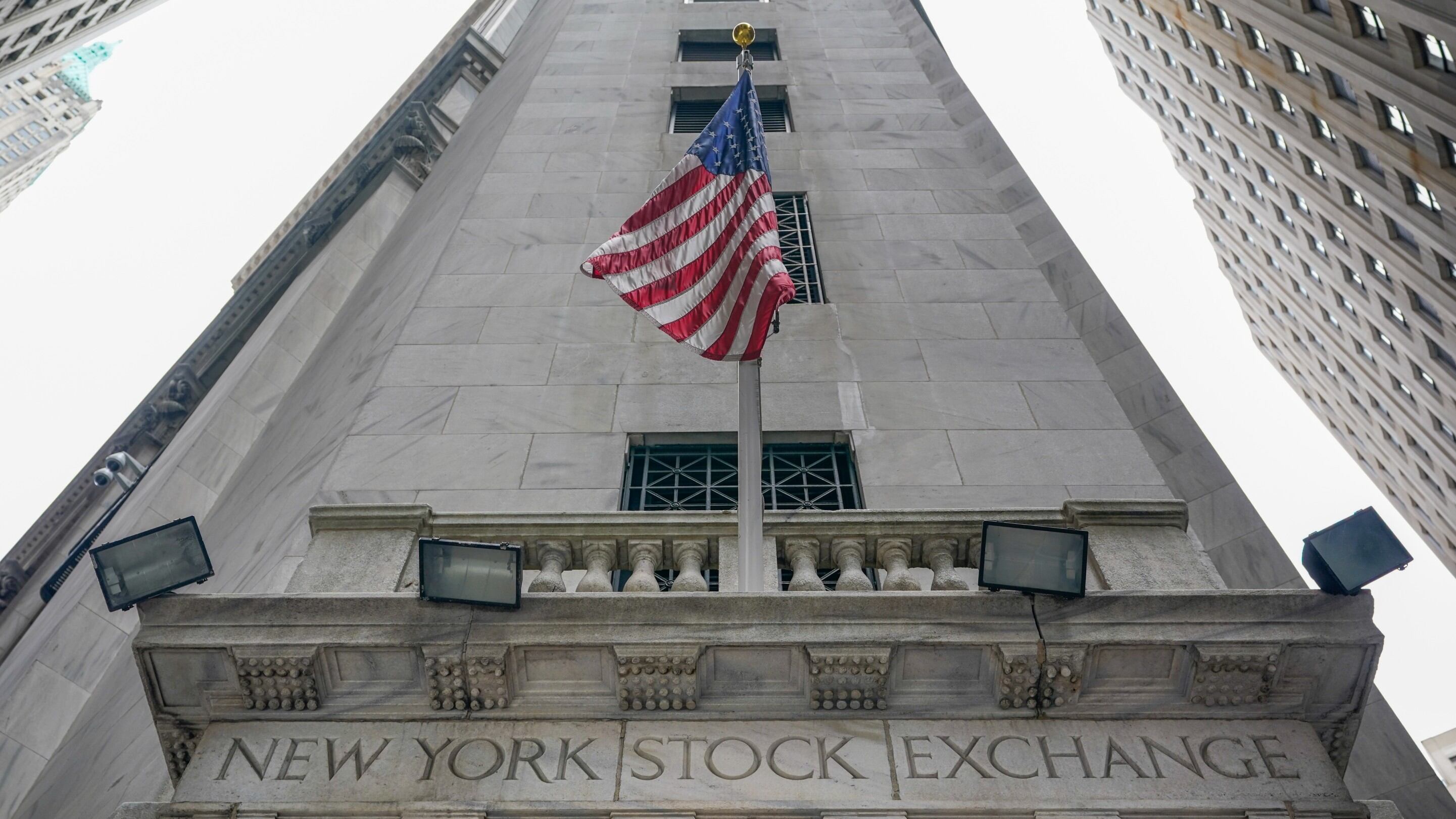
Major markets are trading near all-time highs. The trend has led many experts and investors to wonder when and if the markets will hit their limits. According to Mark Hackett, chief of investment research at Nationwide, the markets should continue to perform well.
Hackett joins Cheddar to give his take on the current financial environment. He says that the signs of irrational exuberance that analysts noticed before the 2000 and 2008 collapse are not showing in today's market. Individual borrowing and corporation borrowing are healthy, and Hackett thinks the biggest risk lies in government borrowing across the world.
Overall, Hackett is confident the markets will continue to experience clear skies and highs in 2018. Rather than compare today's market to 2008 or 2000, Hackett says markets today are similar to the mid-1990s, a time of global strength and low volatility.
Stocks jumped after the opening bell on Thursday a day after Wall Street suffered its worst loss since October.
Dunkin said it's removing coconut milk from the menu.
Power Brands is recalling two of its air fryer models following reports of burns.
With only a few days until Christmas, people are still scrambling to buy gifts for friends and family. Claudia Lombana, consumer and shopping expert, joined Cheddar News to provide tips on how to budget for those gifts.
With the New Year around the corner, it's time to start thinking about resolutions. Many folks begin to think about saving money or cutting down on bills. Caleb Silver, editor-in-chief of Investopedia, joined Cheddar News to provide some tips on tracking debt and staying organized.
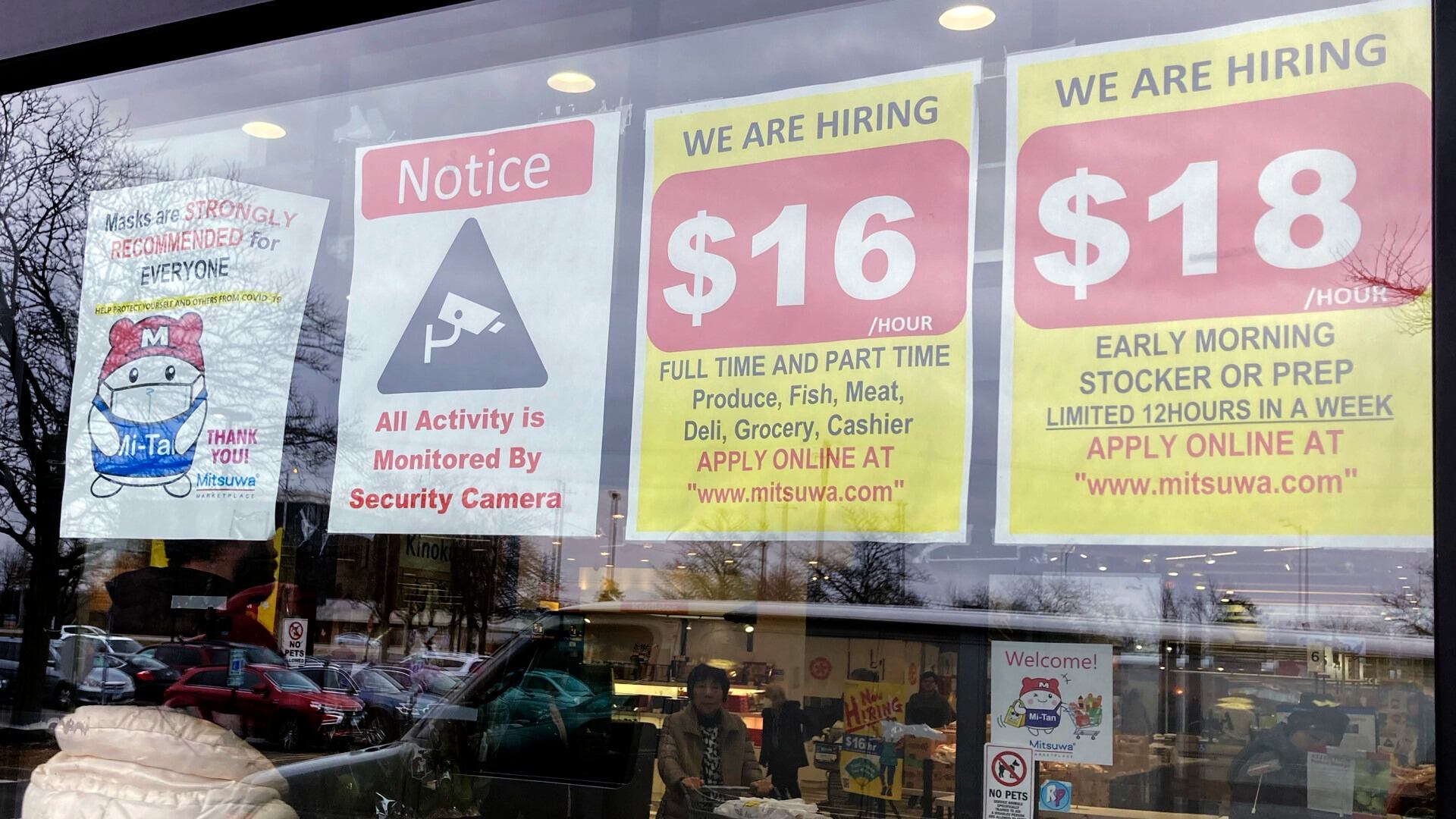
Half of U.S. states are raising their minimum wage next year.
Sony's PlayStation 5 console has now passed 50 million units sold.
FedEx decreased its full-year revenue forecast after reporting lower-than-expected quarterly profits in its latest results.
Cora is among dozens of young kids across the U.S. poisoned by lead linked to tainted pouches of the cinnamon-and-fruit puree
The IRS said Tuesday it is going to waive penalty fees for people who failed to pay back taxes that total less than $100,000 per year for tax years 2020 and 2021.