Major markets are trading near all-time highs. The trend has led many experts and investors to wonder when and if the markets will hit their limits. According to Mark Hackett, chief of investment research at Nationwide, the markets should continue to perform well.
Hackett joins Cheddar to give his take on the current financial environment. He says that the signs of irrational exuberance that analysts noticed before the 2000 and 2008 collapse are not showing in today's market. Individual borrowing and corporation borrowing are healthy, and Hackett thinks the biggest risk lies in government borrowing across the world.
Overall, Hackett is confident the markets will continue to experience clear skies and highs in 2018. Rather than compare today's market to 2008 or 2000, Hackett says markets today are similar to the mid-1990s, a time of global strength and low volatility.
Karl Farmer, Vice President and Portfolio Managers at Rockland Trust Bank, breaks down why inflation and interest rates may stick at these levels, and why Bitcoin still carries some risks.
If you wince at the grocery store checkout, you’re not alone. Wall Street Journal reporter Jesse Newman breaks down why prices are so high – and not going down anytime soon.
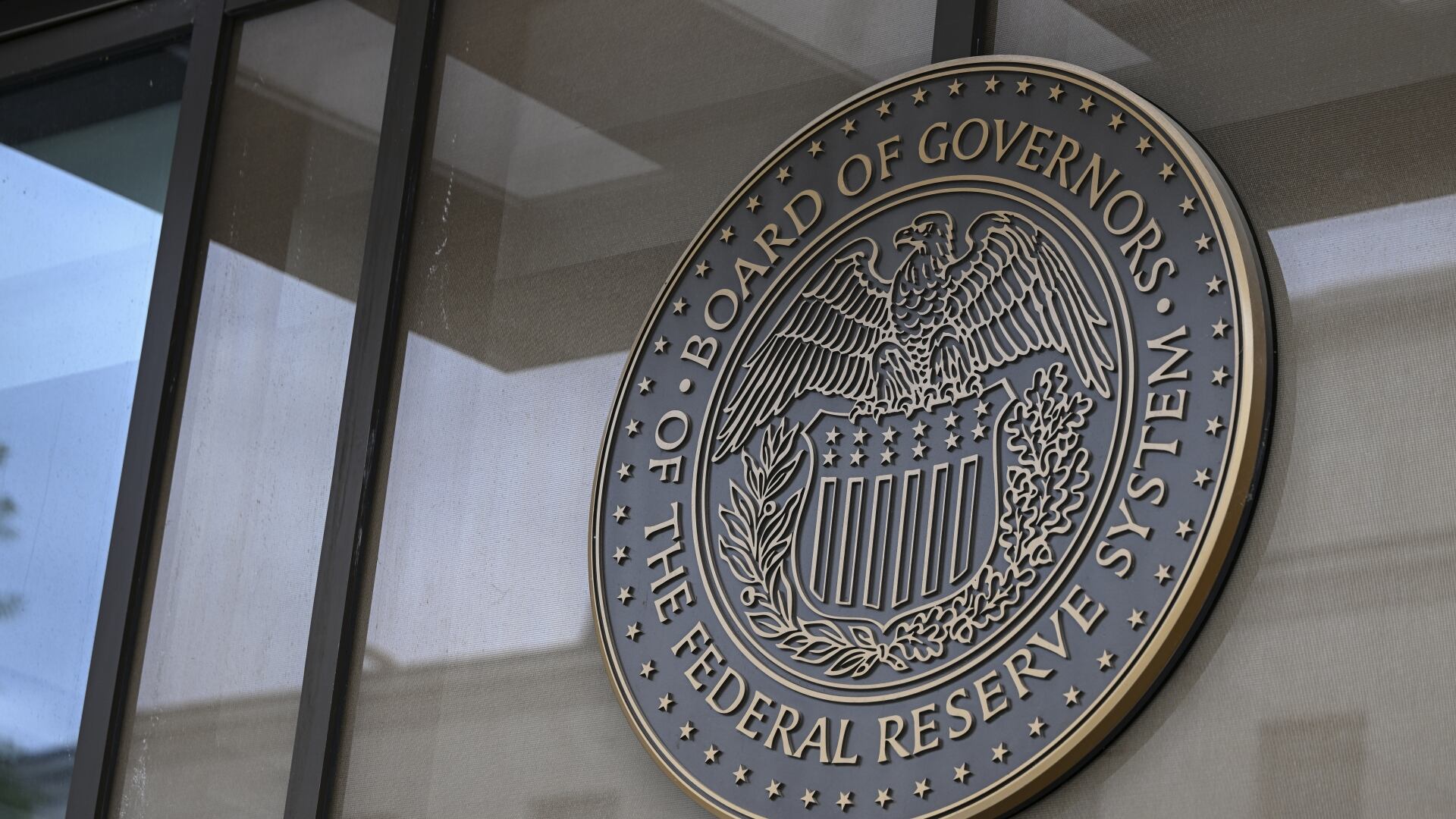
An inflation gauge favored by the Federal Reserve increased in January, the latest sign that the slowdown in U.S. consumer price increases is occurring unevenly from month to month. (Getty Images)
Glen Smith, CIO at GDS Wealth Management, shares how investors can allocate their assets as the market broadens and why he’s eyeing June for the first potential rate cut.
After years of price increases for cars and trucks in the United States, costs are slowing and in some cases falling, helping cool overall inflation and giving frustrated Americans more hope of finding an affordable vehicle.
Missed out on the Nvidia wave? Oh course you did — you’re reading this article aren’t you, instead of luxuriating on a white-sand beaches of Bali. But here are at least four other promising semiconductor stocks to add to your portfolio.