Magic Leap One is officially coming in 2018. The company had been mum on details around its mixed reality headset until this week. Dana Wollman, Executive Editor at Engadget, joins to discuss how the headset could put us into the future, if all the features it promises actually come to fruition.
The futuristic headset promises to allow our brain to naturally process digital objects the same way we do real-world objects. Its sensor suite also detects surfaces, planes, and objects, allowing for digital reconstruction of your physical surroundings.
Wollman says the cost could reach four digits. Right now, the company isn't even accepting preorders, but it plans to ship the headset in 2018. As far as who its marketing to, Wollman says Magic Leap would be more successful in targeting enterprises over the average person at first. It could find a home in people's livings rooms, but it will be a while until people start to adopt.
Julie Hansen of Babbel unveils Babbel Speak, an AI voice trainer tackling language fear head-on, as Babbel eyes IPO and takes on AirPods’ translation tech.
Ali Kashani, CEO of Serve Robotics, dives into their $63.3M acquisition of Vayu Robotics and how it's accelerating the future of autonomous delivery systems.
Rebecca Bellan, Senior Reporter at TechCrunch, dives into ChatGPT’s GPT‑5 release—what’s new, what’s controversial, and why this model could change the game.
Ben Sherry, Staff Reporter at Inc. Magazine, breaks down how Cognizant’s unique acquisition of the Windsurf team signals a shift in AI talent and M&A strategy.
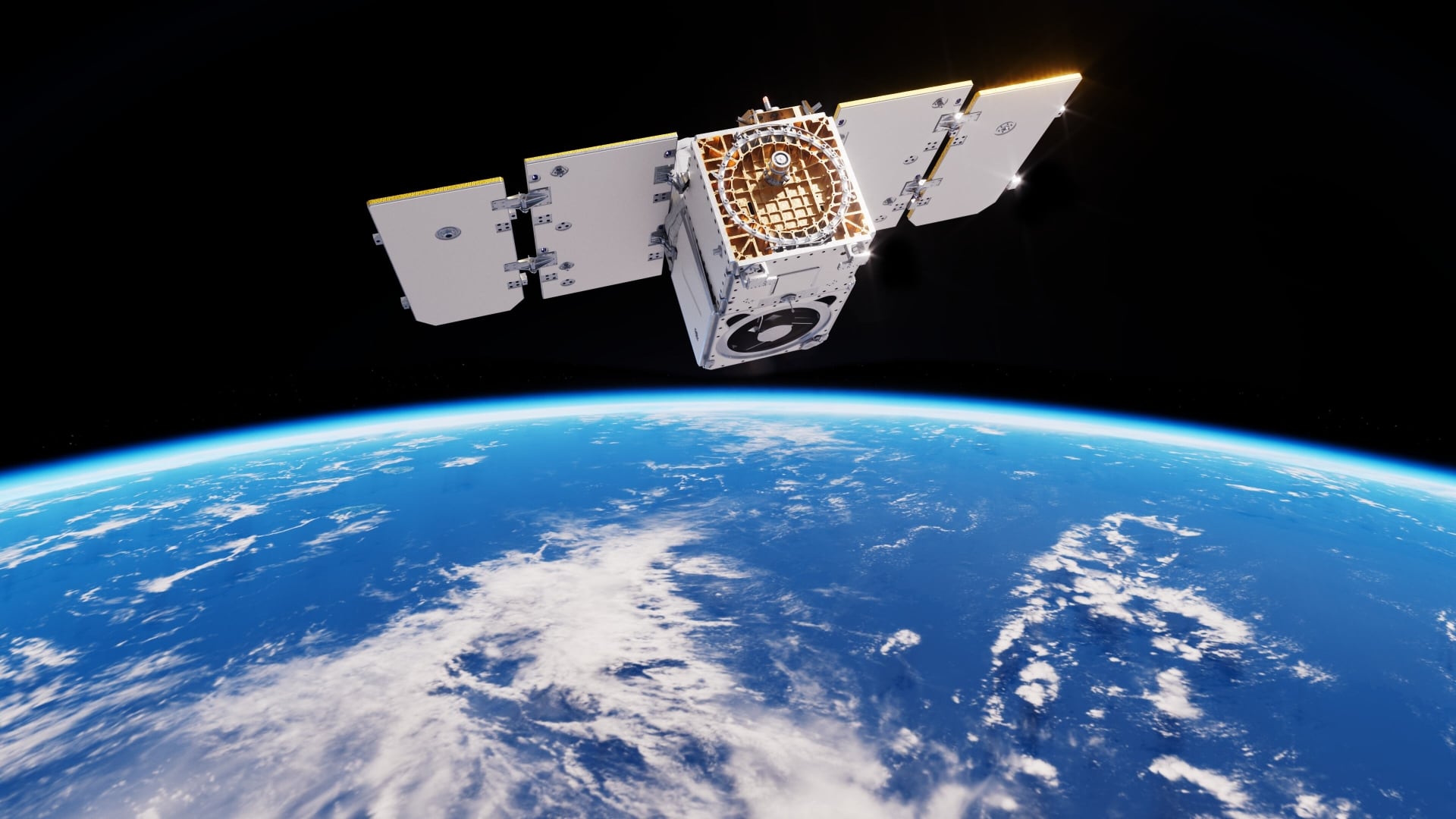
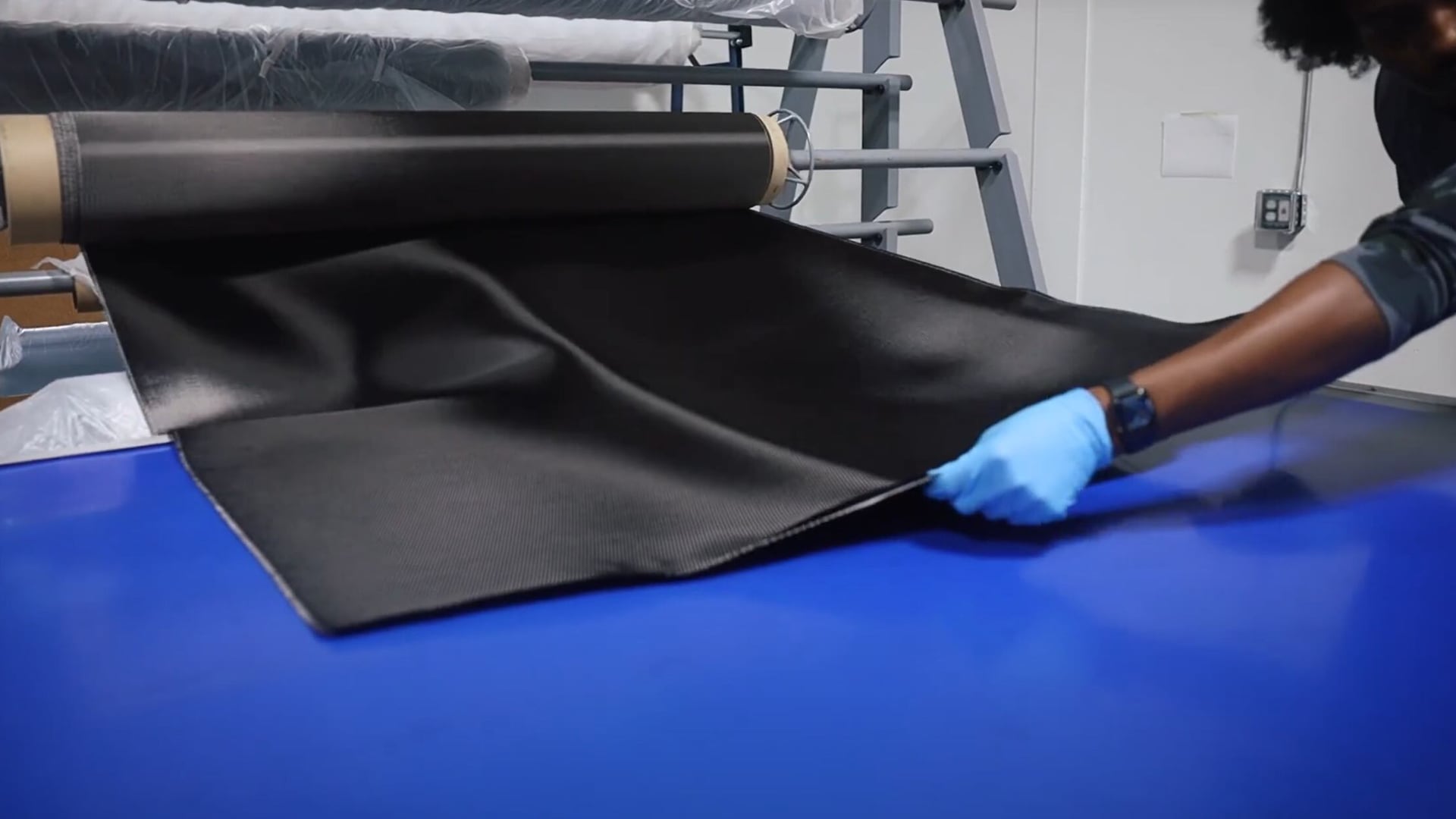
Atomic-6 CEO Trevor Smith unveils ultralight rocket parts & “Space Armor” composites, backed by ISS legend Chris Hadfield, revolutionizing debris defense.