For many, playing with Lego bricks was just a fun childhood hobby. But for some, it became a way of life. And an even luckier few were able to gain TV fame doing what they love.

Amy Corbett, senior design manager at The LEGO Group, has become one of the faces of Fox’s new reality competition show Lego Masters

Each week teams face off in complex challenges that test their building abilities. Winners head home with more than just bragging rights -- they can win cash prizes, the Lego trophy and the grand title of Lego Masters.

“I think with every week we have a different challenge. We want to push our builders to the limit to see who really is the best,” Corbett told Cheddar. 

LEGO Group was founded in 1932 and has managed to stay relevant in a technology-savvy toy world. Corbett says one reason is because the company is constantly trying to take a fresh look at how people are playing. “We always try to re-invent. Look what’s happening in the world, what kids are interested in, and re-invent the play experience around the bricks. That keeps it fresh.”     

The company does offer some product lines with augmented realities that combine physical and digital play, however the design manager says there is still a need for non-technology based toys. “We also see that the more technology there is, the more parents want their kids to step away from technology and have less screen time,” she said.  

Corbett, who played with LEGOs as a kid with her brother, says the company’s new products connect with her more. “Definitely some of the products we have now, I feel like resonate with me much more and I would have loved to have them as a child.”

The basic concept is timeless, though, she said. 

“The thing that makes it really magic is that they all fit together and we can almost re-imagine it in the way we put the bricks together,” Corbett said. 

Share:
More In Business
Rare Dom Pérignon champagne from Charles and Diana’s wedding fails to sell during Denmark auction
A rare magnum of Dom Pérignon Vintage 1961 champagne that was specially produced for the 1981 wedding of Prince Charles and Lady Diana has failed to sell during an auction. Danish auction house Bruun Rasmussen handled the bidding Thursday. The auction's house website lists the bottle as not sold. It was expected to fetch up to around $93,000. It is one of 12 bottles made to celebrate the royal wedding. Little was revealed about the seller. The auction house says the bids did not receive the desired minimum price.
New York Times, after Trump post, says it won’t be deterred from writing about his health
The New York Times and President Donald Trump are fighting again. The news outlet said Wednesday it won't be deterred by Trump's “false and inflammatory language” from writing about the 79-year-old president's health. The Times has done a handful of stories on that topic recently, including an opinion column that said Trump is “starting to give President Joe Biden vibes.” In a Truth Social post, Trump said it might be treasonous for outlets like the Times to do “FAKE” reports about his health and "we should do something about it.” The Republican president already has a pending lawsuit against the newspaper for its past reports on his finances.
OpenAI names Slack CEO Dresser as first chief of revenue
OpenAI has appointed Slack CEO Denise Dresser as its first chief of revenue. Dresser will oversee global revenue strategy and help businesses integrate AI into daily operations. OpenAI CEO Sam Altman recently emphasized improving ChatGPT, which now has over 800 million weekly users. Despite its success, OpenAI faces competition from companies like Google and concerns about profitability. The company earns money from premium ChatGPT subscriptions but hasn't ventured into advertising. Altman had recently announced delays in developing new products like AI agents and a personal assistant.
Trump approves sale of more advanced Nvidia computer chips used in AI to China
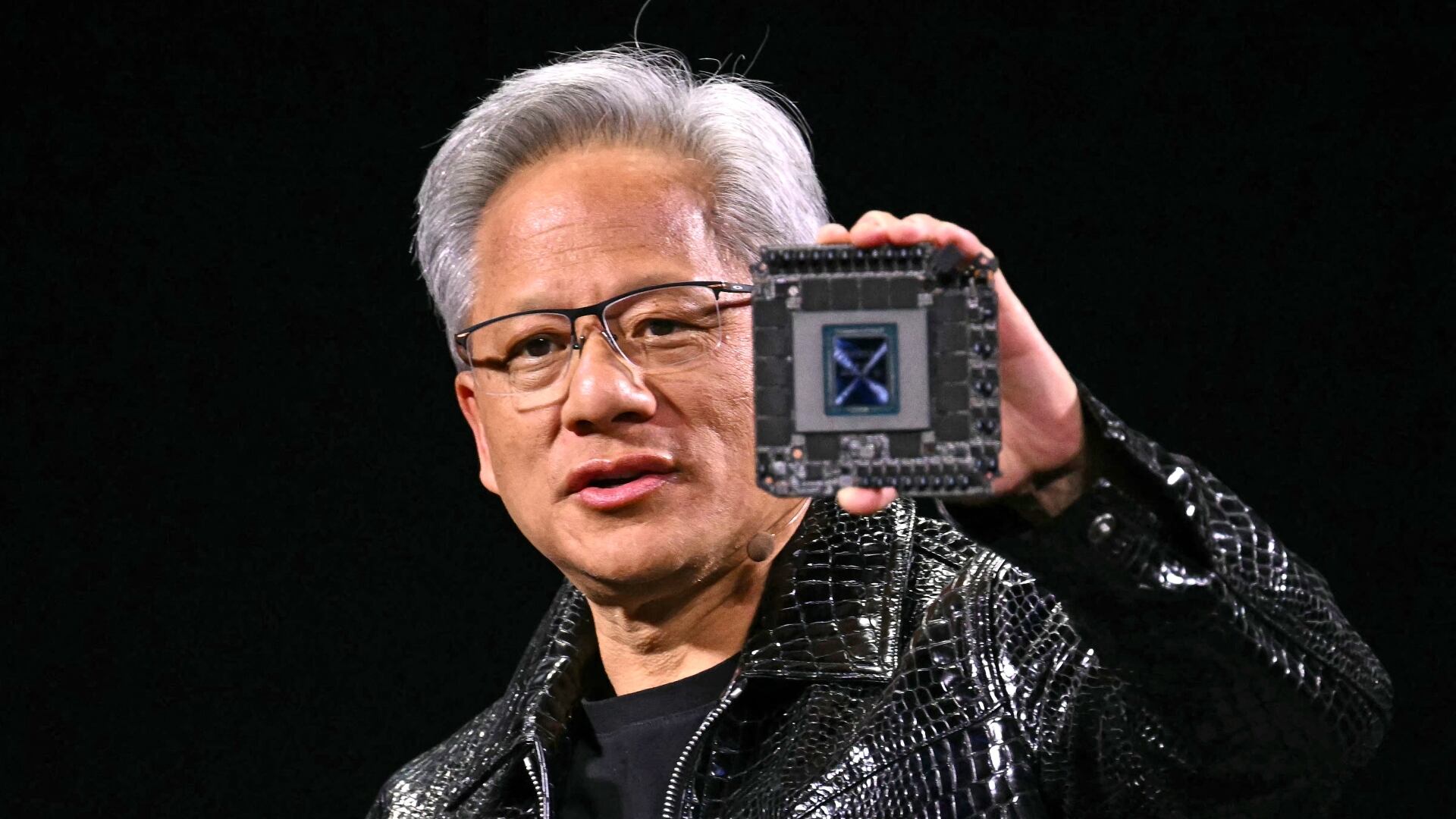
President Donald Trump says he will allow Nvidia to sell its H200 computer chip used in the development of artificial intelligence to “approved customers” in China. Trump said Monday on his social media site that he had informed China’s leader Xi Jinping and “President Xi responded positively!” There had been concerns about allowing advanced computer chips into China as it could help them to compete against the U.S. in building out AI capabilities. But there has also been a desire to develop the AI ecosystem with American companies such as chipmaker Nvidia.
Load More