*By Conor White*
Blockchain isn't just for cryptocurrency.
Computing behemoth IBM ($IBM) is using the technology to ensure the food we eat is safe and properly sourced.
"We're basically leveraging the blockchain technology to track each item of food as it travels through its trajectory and its transportation from the field all the way to the retailer," Bridget Karlin, chief technology officer for IBM Global Technology Services, told Cheddar's Hope King at the Consumer Electronics Show in Las Vegas, Nev.
According to Karlin, blockchain is revolutionizing the way big-box retailers like Walmart ($WMT) do business.
"It used to take \[Walmart\] seven days to track an item from its origin all the way through to their shelves," Karlin said. "With blockchain, now it takes 2.2 seconds."
Walmart is working with IBM to implement blockchain as part of new food safety requirements for its suppliers. The two companies have been collaborating since 2016 to apply new levels of traceability across the food supply chain.
The partnership is part of The Food Trust blockchain, which includes other major forces like Nestlé (NSRGY), Dole ($DOLE), Kroger ($KR), and Tyson Foods (TSN).
In the future, a public health incident like the recent E.coli outbreak linked to contaminated romaine lettuce could be detected much more quickly and accurately.
"Now it's a matter of scaling that out more broadly to more participants," Karlin said.
Cheddar News' Need2Know is brought to you by Securitize, which helps unlock broader access to alternative investments in private businesses, funds, and other alternative assets. The private credit boom is here and the Hamilton Lane Senior Credit Opportunities Fund has tripled in assets under management in just six months from November 2022 through April this year. Visit Securitize.io to learn more.
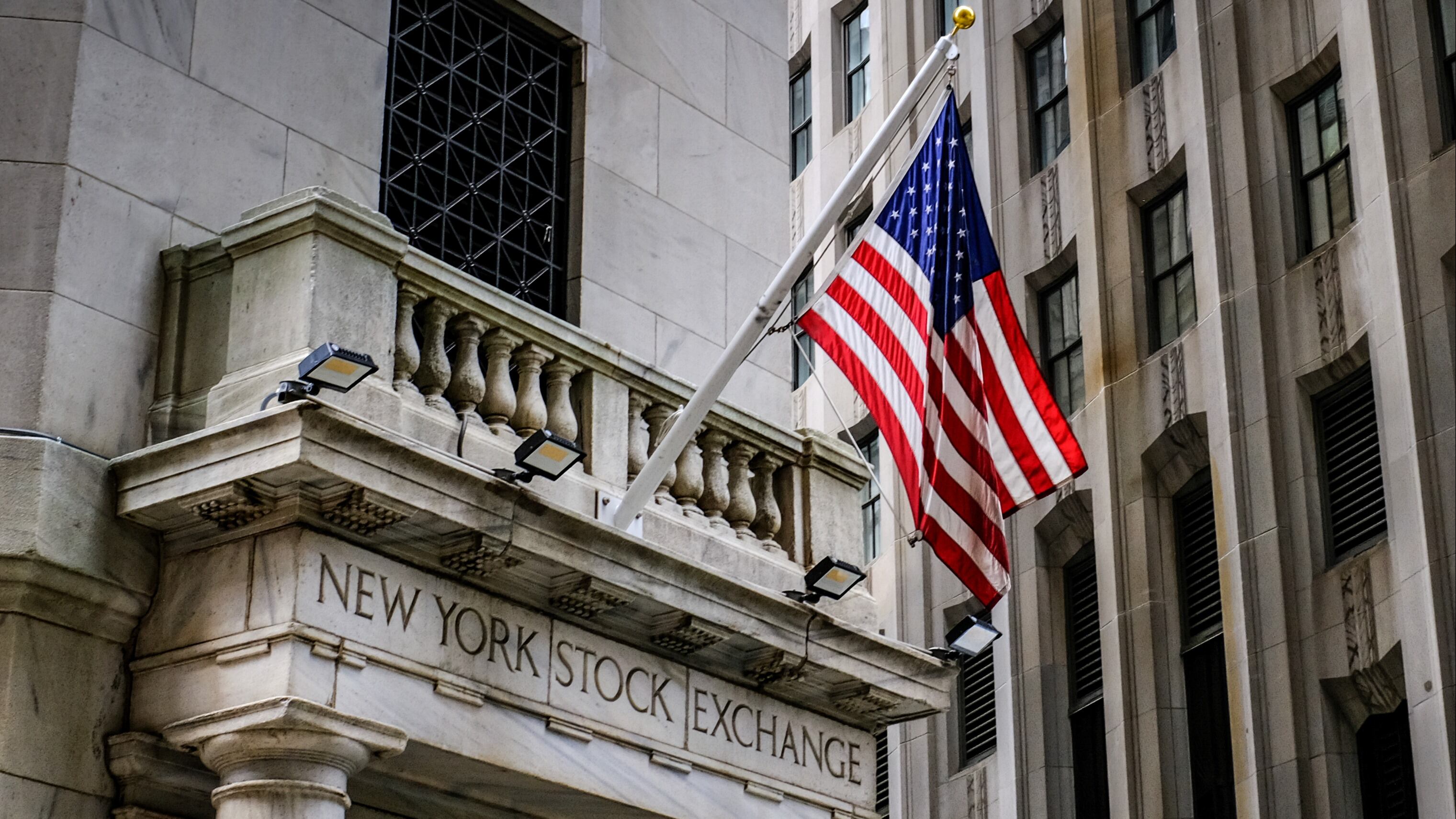
Stocks opened lower after the opening bell and on track for its first decline in 10 days after a recent winning streak.
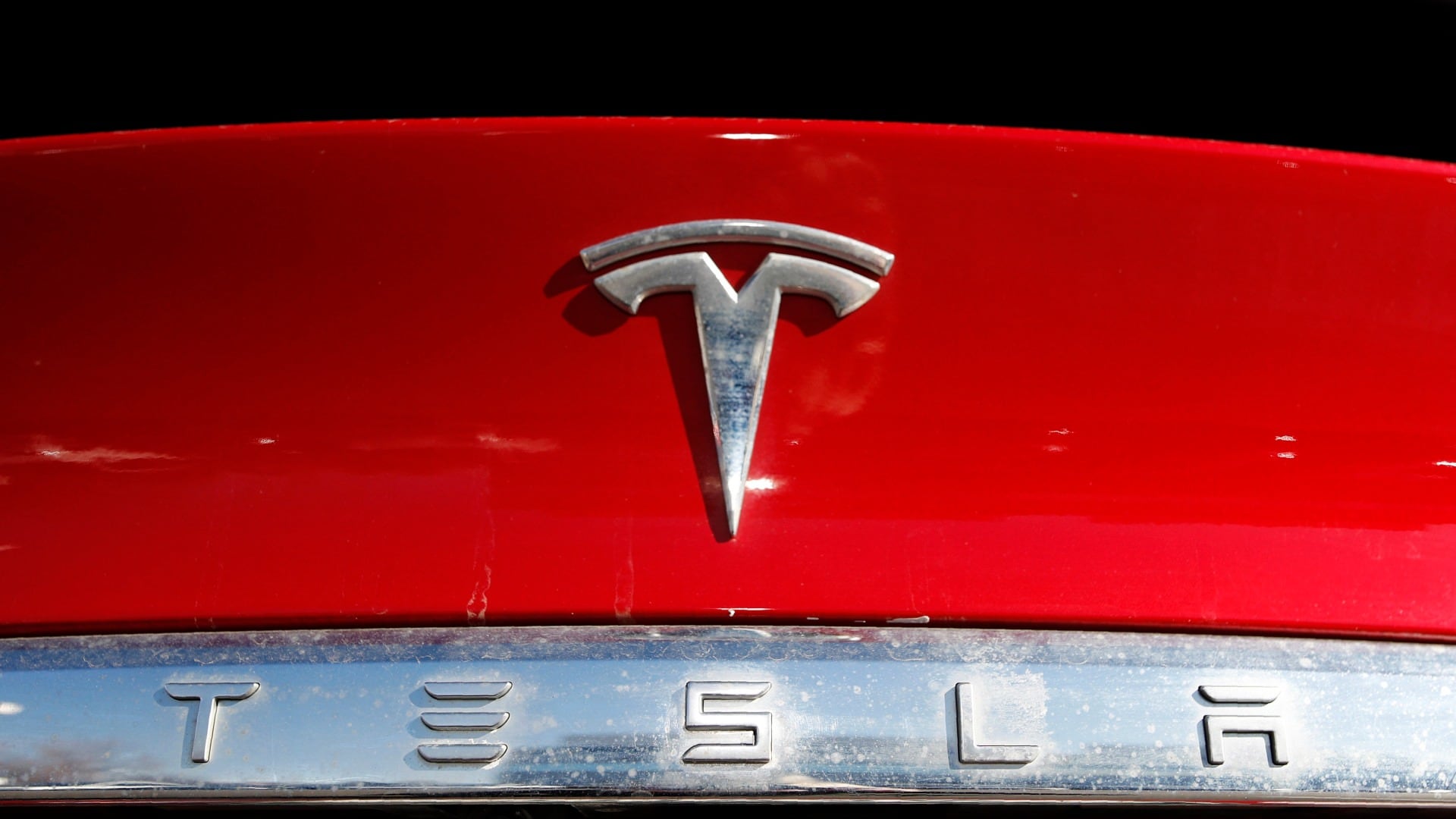
Tesla drivers in the U.S. were in more accidents than drivers of any other car brand this year, according to a study.
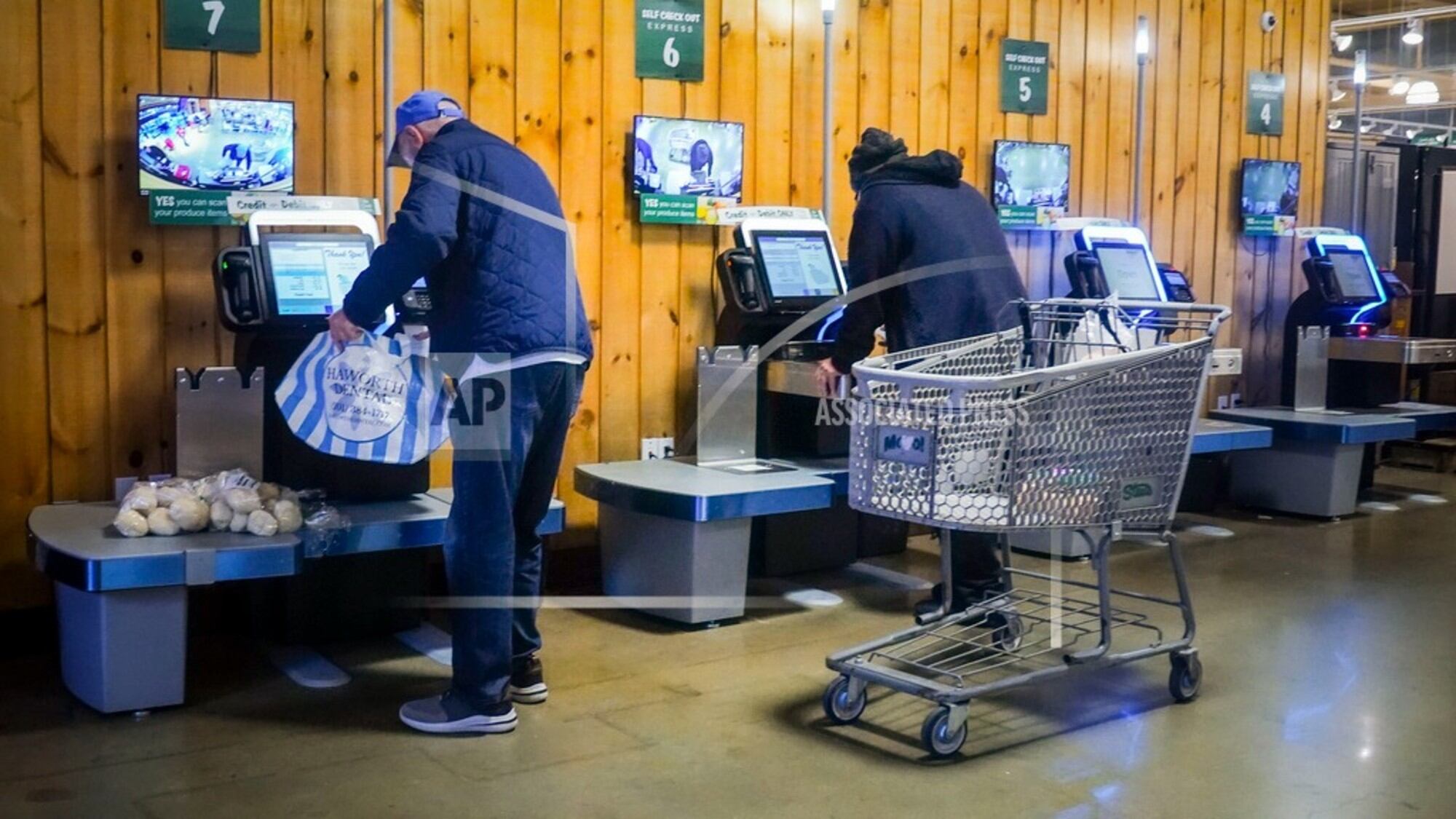
The promise of self-checkout was alluring: Customers could avoid long lines by scanning and bagging their own items, workers could be freed of doing those monotonous tasks themselves and retailers could save on labor costs.
Monsanto was ordered to pay $857 million to students and parent volunteers at a Washington school.
A federal judge has struck down hundreds of lawsuits filed against the makers of Tylenol and generic acetaminophen.
California regulators are preparing to vote on new rules for turning recycled wastewater into drinking water.
Hackers accessed Xfinity customers’ personal information by exploiting a vulnerability in software used by the company, the Comcast-owned telecommunications business announced this week.
Some folks want to leave the cold for a quick getaway. Bobby Laurie, travel expert, joined Cheddar News to provide tips on how and when to look for a winter escape.
Julia Pollak, chief economist with ZipRecruiter, joined Cheddar News to provide tips on navigating a job loss and explain the benefits of working with a recruiter to find new employment.