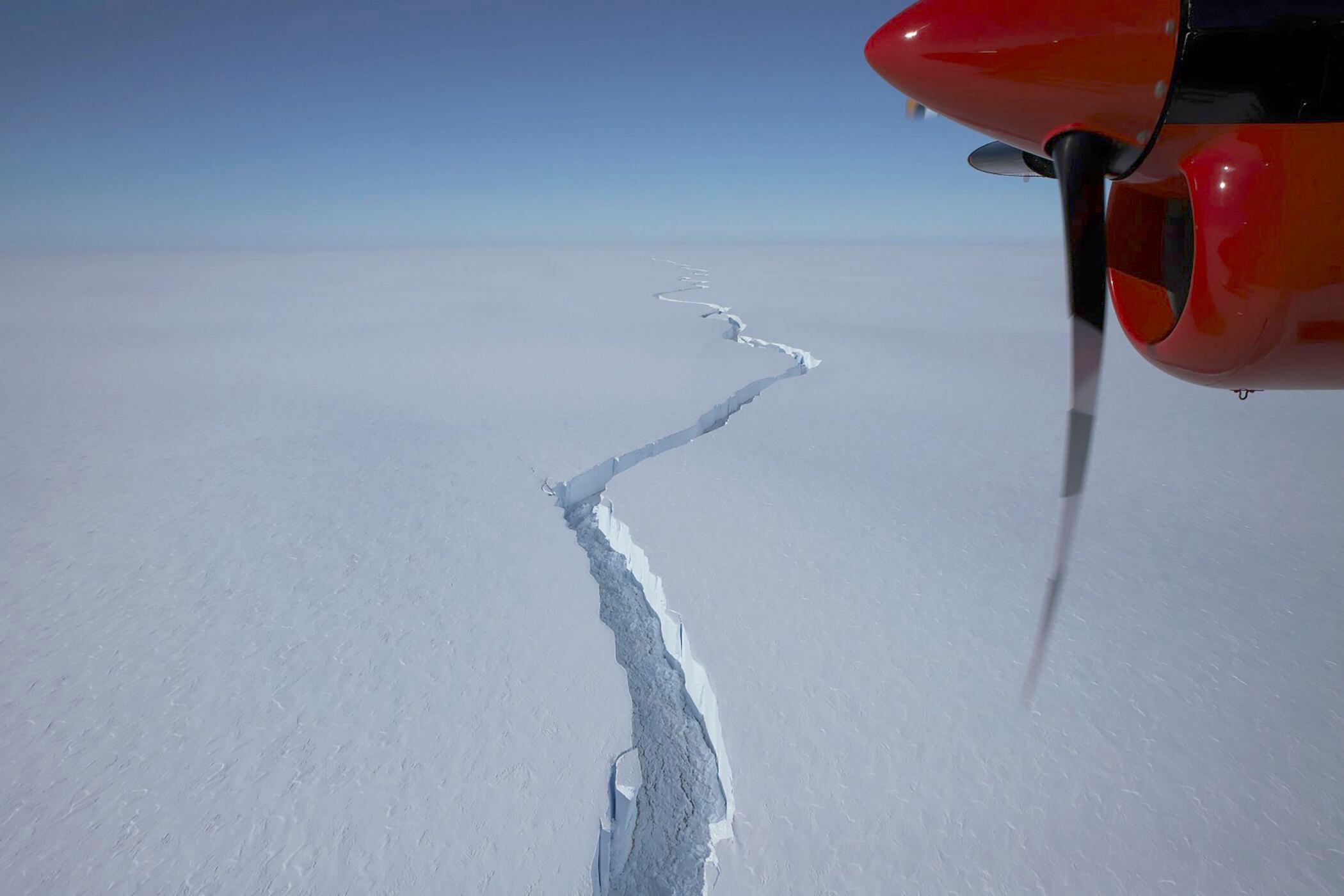
A aerial view taken in Jan. 2021 and issued on Friday July 26, 2021 by the British Antarctic Survey showing a massive crack in the Brunt Ice Shelf in Antarctica. A huge iceberg the size of the English county of Bedfordshire has broken off the 150-m thick Brunt Ice Shelf, almost a decade after scientists at British Antarctic Survey (BAS) first detected growth of vast cracks in the ice.(British Antarctic Survey via AP)
A huge iceberg, the size of the UK county of Bedfordshire, has broken off the Brunt Ice Shelf.
The phenomenon is known as calving and comes almost a decade after scientists at the British Antarctic Survey (BAS) first detected the growth of vast cracks in the ice.
The first indication that a calving event was imminent came in November 2020 when a new chasm – named North Rift – headed towards another large chasm near the Stancomb-Wills Glacier Tongue 35 km (21.7 miles) away.
It's the third major crack in the ice shelf that's become active in the last ten years.
During January, the rift pushed northeast at up to 1 km(0.62 miles) per day, cutting through the 150 meters (492 feet) thick floating ice shelf.
The iceberg was formed when the crack widened several hundred meters in a few hours on the morning of 26th February, finally breaking free from the rest of the floating ice shelf.
The calving is not expected to pose a threat to BAS's Halley Research Station which is located on the Brunt ice shelf.
Amazon plans to launch its first prototype satellites for Project Kuiper, an internet-from-space venture, in 2022. It's the first major step in the e-commerce giant's plan to rival SpaceX by building a network of satellites in space, providing internet to rural, underserved communities around the world. Loren Grush, senior science reporter for the Verge, discusses the project and how it could transform internet access moving forward.
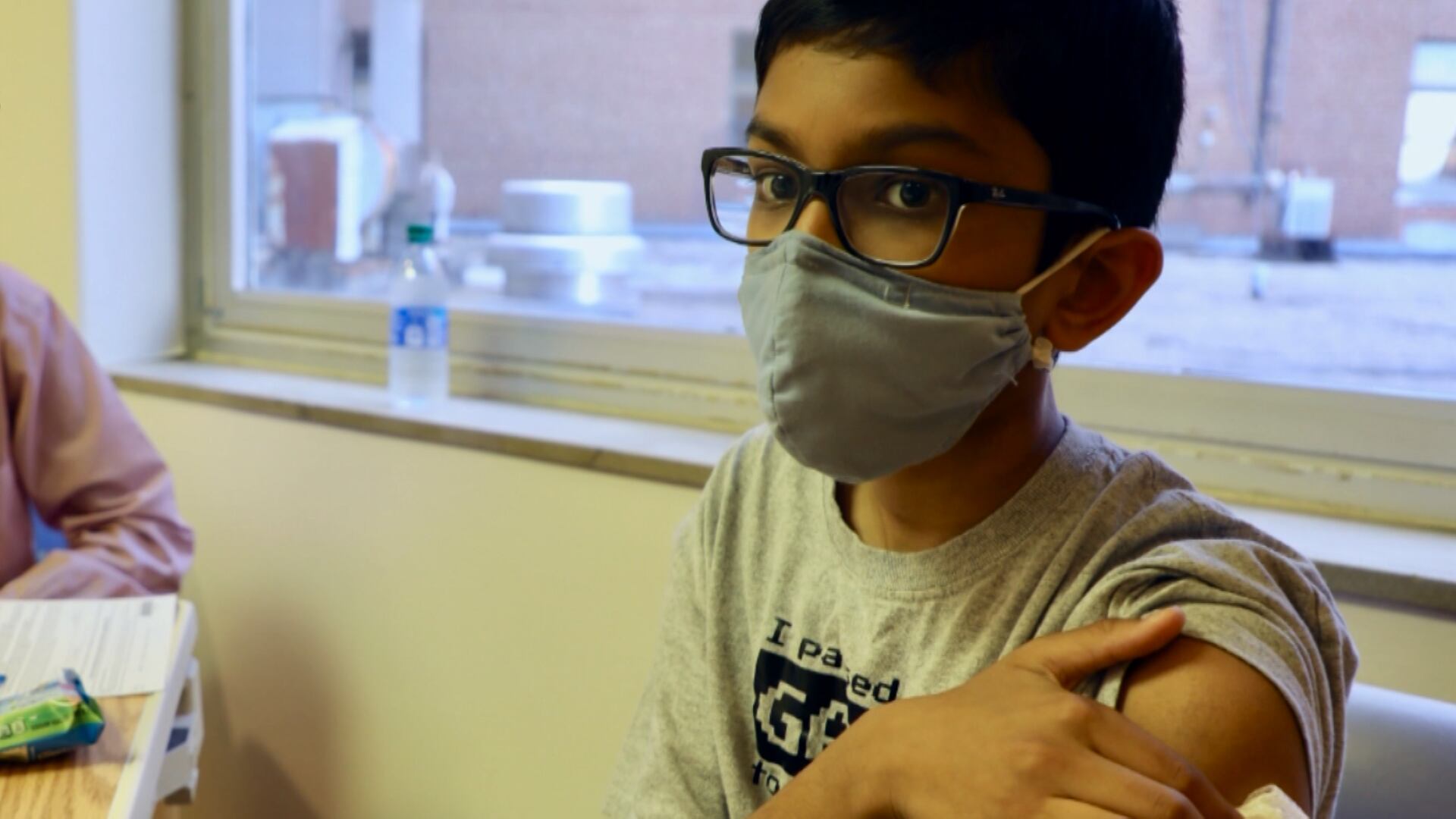
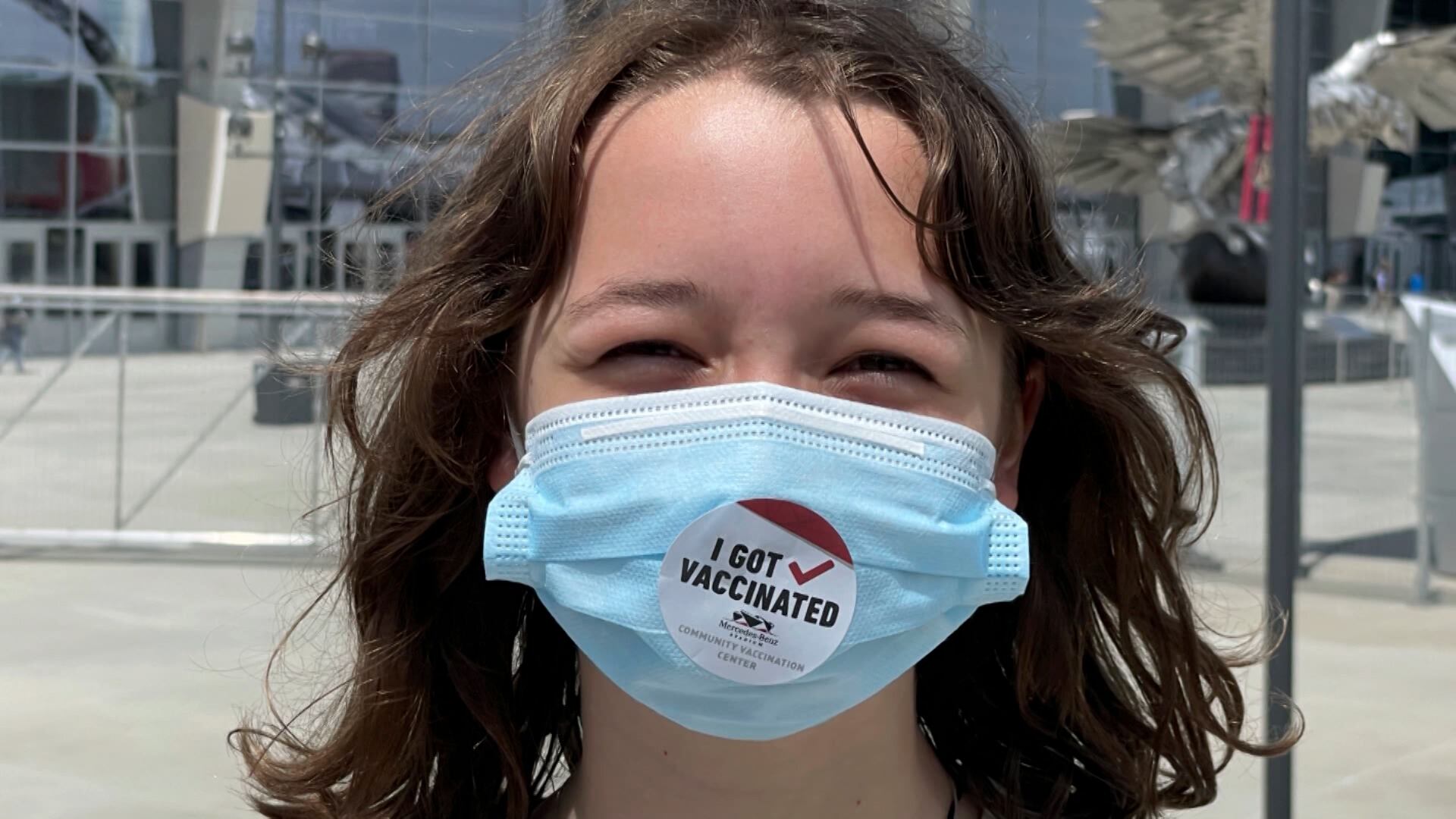
The FDA is assessing whether the Moderna vaccine can cause heart problems in adolescents. Professor Peter Pitts, founder of the Center for Medicine in the Public Interest and former FDA Associate Commissioner, discusses what the FDA is looking into and what it means for the millions of kids yet to be vaccinated.
Pfizer posted an earnings beat in its third quarter, with revenue soaring over 134% thanks to solid Covid-19 vaccine sales. Pfizer also raised its outlook for the full-year, expecting revenue to surpass $80 billion. Peter Andersen, CEO & founder of Andersen Capital Management, joined Cheddar Movers to discuss.
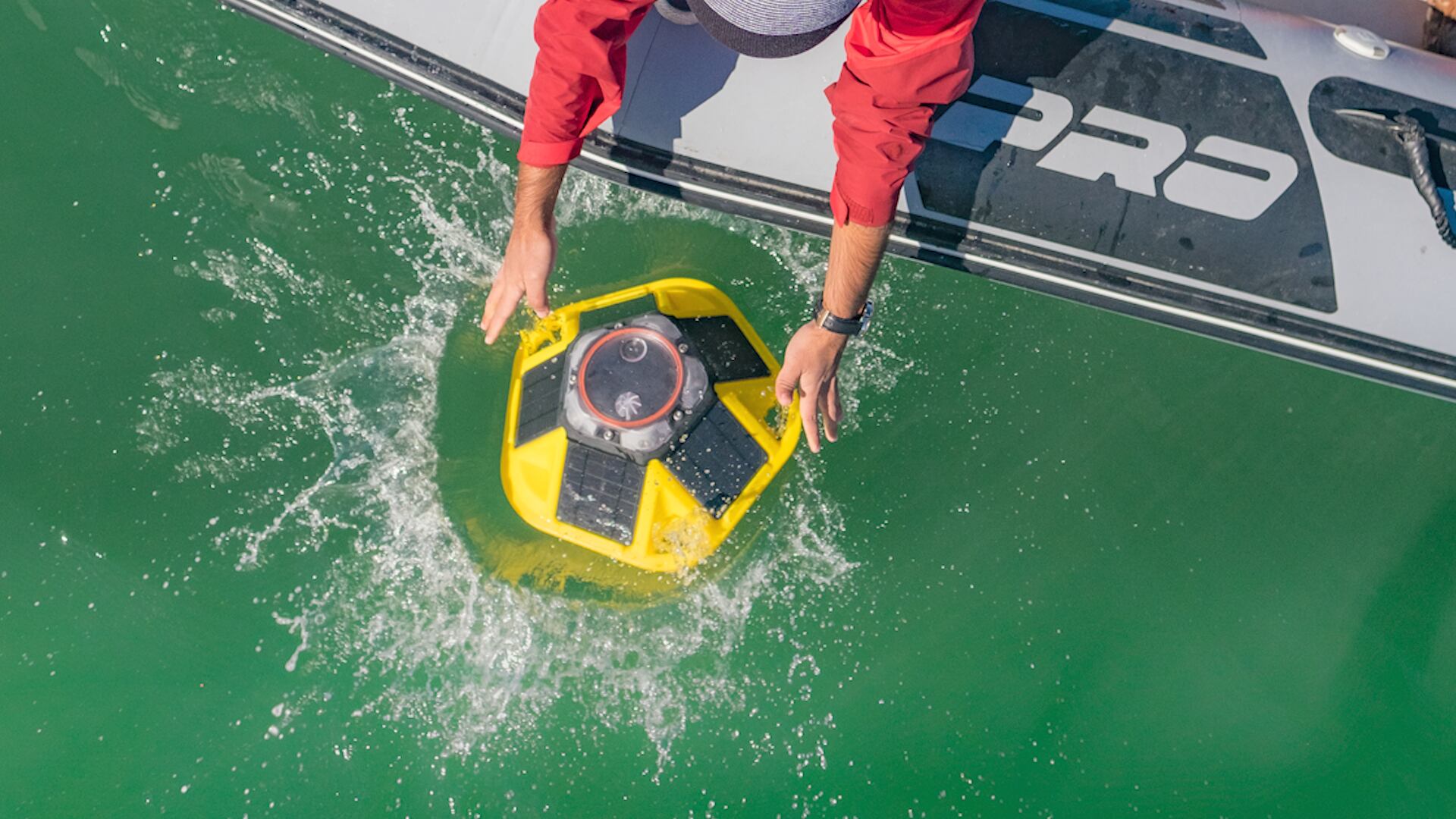
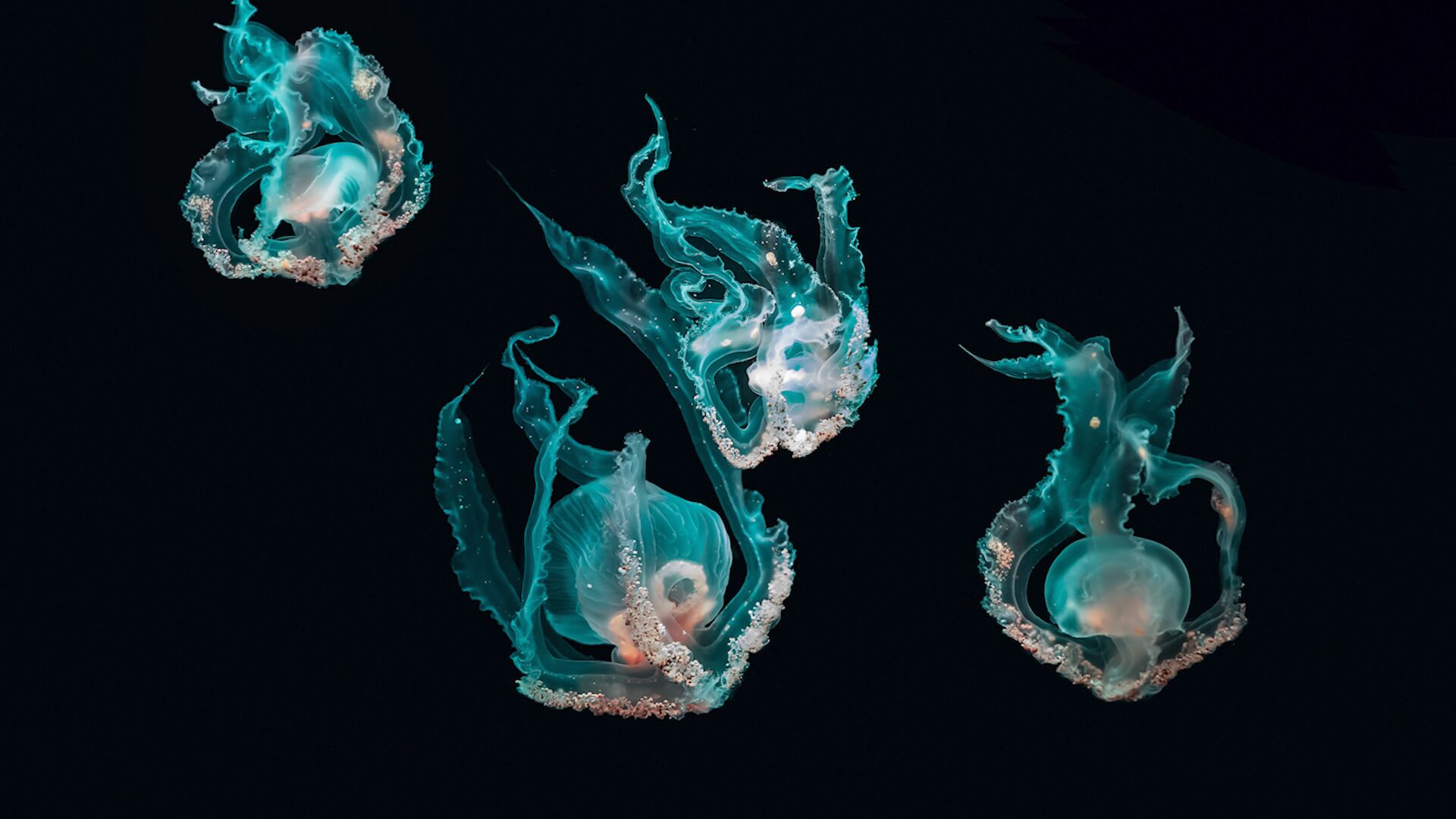
Cheddar gets a look at Curiosity Stream's 'Ancient Oceans'; Deep-sea biologist Heather Bracken-Grissom sheds light on some of the monsters that we can and cannot explain lurking in the darkness of the ocean's depths; Tim Janssen, CEO of Sofar Ocean, discusses Sofar Ocean's latest round of Series B funding, and how Sofar Ocean is helping connect all five oceans to help everything from climate change to the global shipping industry.
Tim Janssen, CEO of Sofar Ocean, joins 'Cheddar Reveals' to discuss Sofar Ocean's latest round of Series B funding, and how Sofar Ocean is helping connect all five oceans to help everything from climate change to the global shipping industry.
Deep-sea biologist Heather Bracken-Grissom joins 'Cheddar Reveals' to shed light on some of the monsters that we can and cannot explain lurking in the darkness of the ocean's depths.
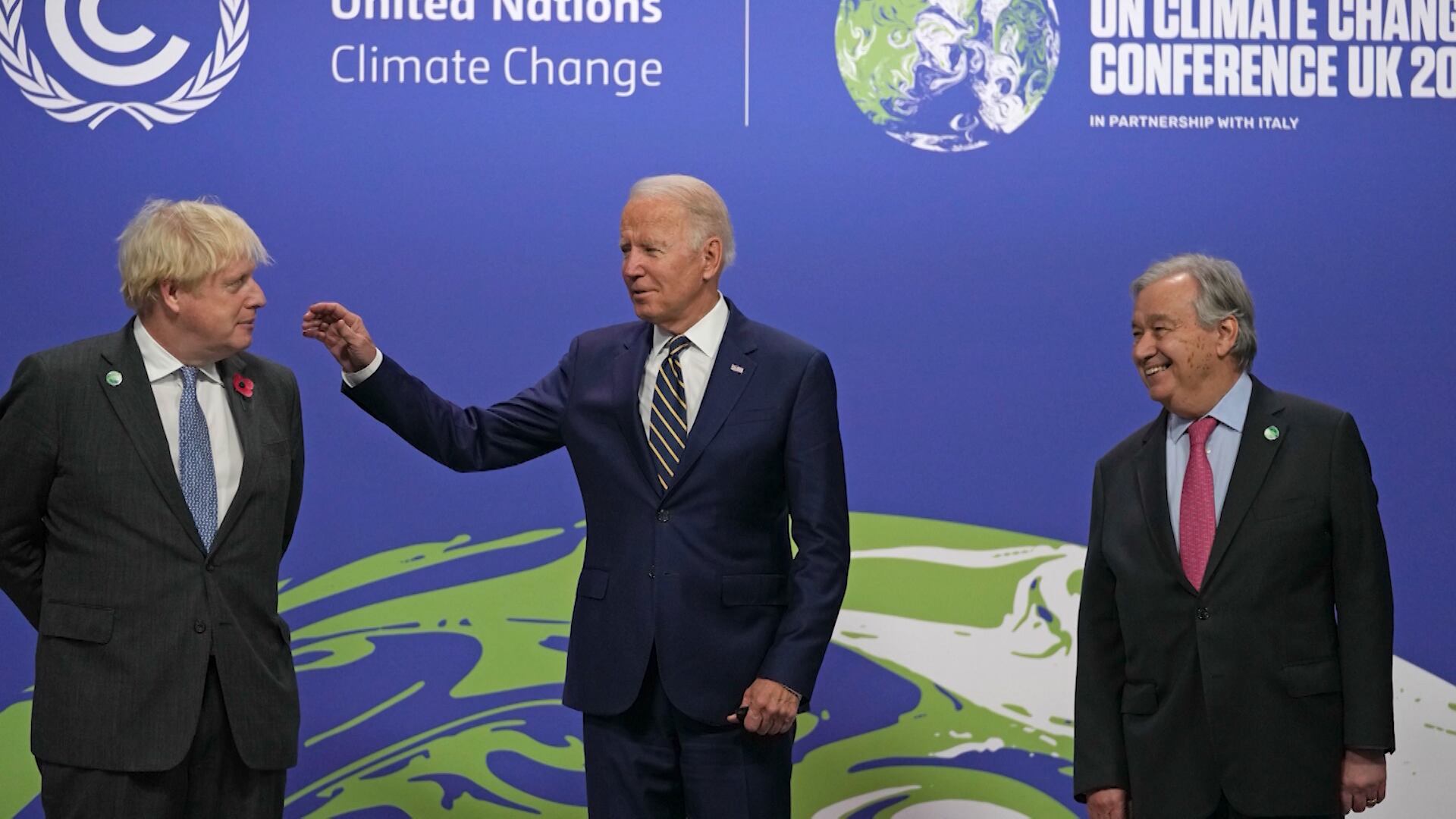
Leaders around the world have come together to discuss plans to bring action towards the Paris Agreement along with solutions on how to solve the evolving climate change crisis at the COP26 Summit. President and CEO of Center for International Environmental Law Carroll Muffett, joined Cheddar to discuss more.
Rachel Cleetus, the policy director and lead economist of the climate and energy program for the Union of Concerned Scientists, joined Cheddar to break down some of the key goals from the COP26 summit and why leaders must focus on the science of climate change instead of getting bogged down by petty politics and the fossil fuel industry. "The main thing they have to do, make sure we're cutting our emissions sharply within this decade because the science shows that we have to cut global emissions in half by 2030 if we're going to meet our goals of averting some of the most catastrophic impacts of climate change," she said.
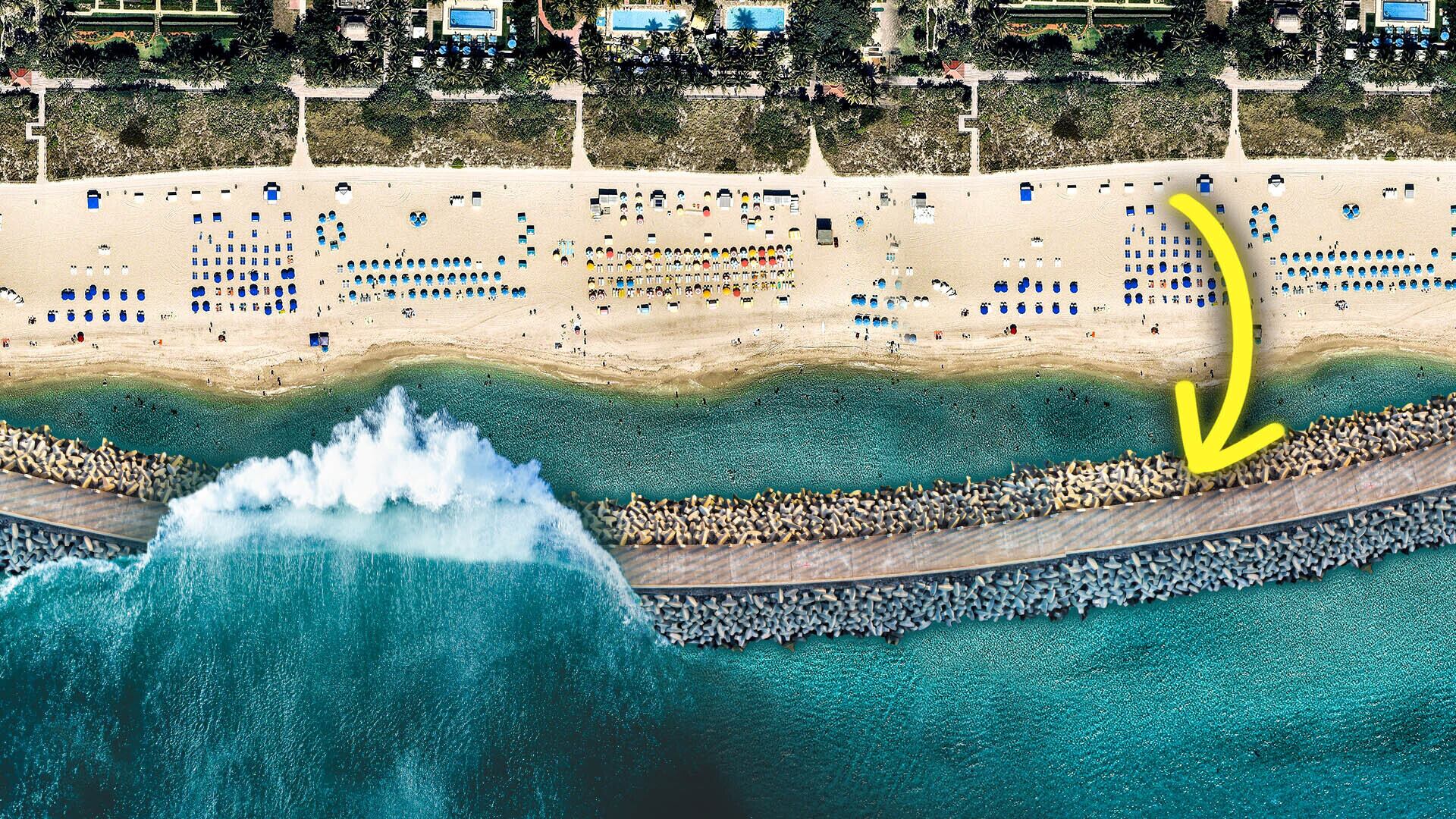
Coastal cities around the world are grappling with sea level rise. And building a seawall? Not so fast. While a sea wall can be effective in certain scenarios, it can make the effects of sea level rise worse. That’s why municipalities are looking into creative alternatives.