For this week's keep reinventing segment brought to you by HP we are taking a look at a new bike share player in the space. Zagster recently closed a $15 million round of funding, which it plans to use to expand its dockless program to new cities. The company's CEO Timothy Ericson explains how he is taking a conservative approach to the expansion efforts.
"Right now we are really focusing on bring our bikeshare program Pace to communities who are willing to invest in bikesharing in the right way," says Ericson. "This allows riders to pick up and drop off bikes anywhere in the city."
Ericson says Zagster works directly with communities to roll out its program, and integrate it with the transit program. Zagster partners include Princeton University, City of Rochester, and Roanoke.
Suzy Batiz, founder and CEO of ~Pourri, discusses creating Poo-Pourri, building out multiple businesses, and why she believes any problem can be overcome.
Fresh off his unanimous appointment as interim CEO, Dax Dasilva shares his strategy for Lightspeed and why growth and profitability are his biggest focus.
Eddie Ghabour, co-founder and owner of KEY Advisors Wealth Management, explains why he’s investing in India, what could happen if inflation rises again, and the long-term ‘debt bubble’ looming.
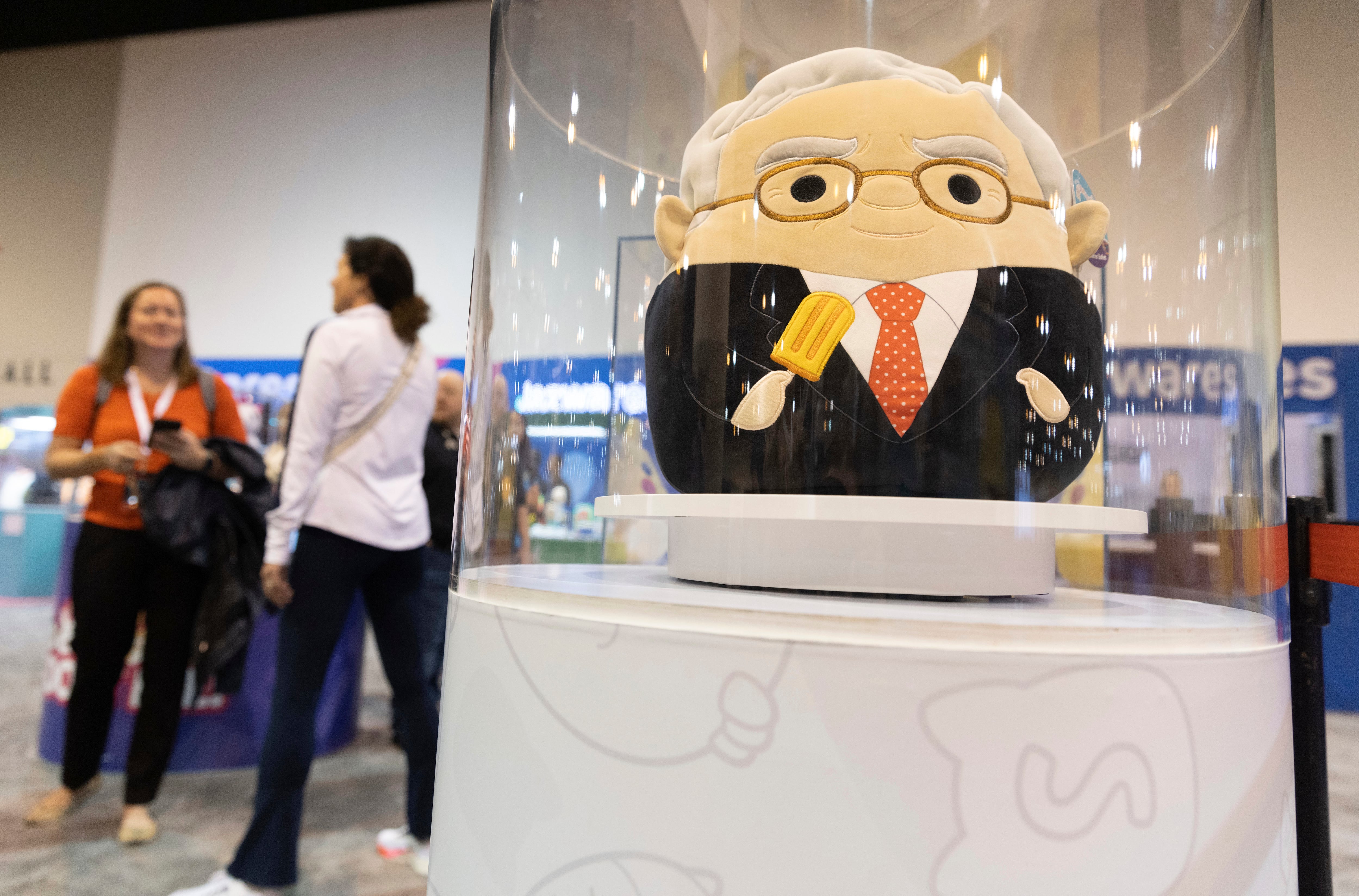
The company behind Squishmallows says Build-A-Bear's new Skoosherz toys are a copy of their own plushies. Build-A-Bear filed their own suit basically responding, "No they're not!"
While tech employees worry about artificial intelligence taking over their jobs, Microsoft says Iran, North Korea, and more U.S. adversaries are beginning to use AI in cyber spying.
The self-proclaimed "only Post who worked at Kellogg" was a military veteran who fought in World War II before inventing everyone’s favorite fruit-filled breakfast ravioli.
Kevin Gordon, Senior Investment Research Manager at Charles Schwab, shares his thoughts on how investors can take advantage of the current bull market while keeping in mind the impacts of Fed policy and inflation.
Lab-created diamonds come with sparkling claims: that they are ethically made by machines running on renewable energy. But many don't live up to these claims or don't respond to questions about their electricity sources, and lab diamonds require a lot of electricity.