Verizon’s new five-year deal with the NFL means anyone can watch NFL games on mobile, for free.
Paul Kelly, chief revenue officer at Whistle Sports joined Cheddar to explain how the deal will let the league monetize both mobile and linear television, while leveraging more than just live sports content.
“Moving forward I think it’s going to give more opportunity to create visual content around sports for the mobile screen,” he said.
Kelly noted that the deal has perks for both the NFL and Verizon overall. On the Verizon front, this can be a sign that the company will be moving into the OTT business.
“How that works with the Yahoo, Oath portfolio, and go90 is up to debate and interpretation,” he added.
Other wireless company are also pushing to move into the broadcast or steaming space. This week T-mobile announced that it was buying Layer3 TV in an effort to move into the cable and video streaming industry. AT&T has a tie-up with DirecTV, and is trying to acquire Time Warner.
For full interview [click here](https://cheddar.com/videos/tackling-the-sports-media-landscape-2).
With thousands of layoffs in tech and beyond, how workers can keep their skills sharp, plus reasons to be hopeful when looking at the job market.
Taking a look at investment strategy as the new year gets into full swing.
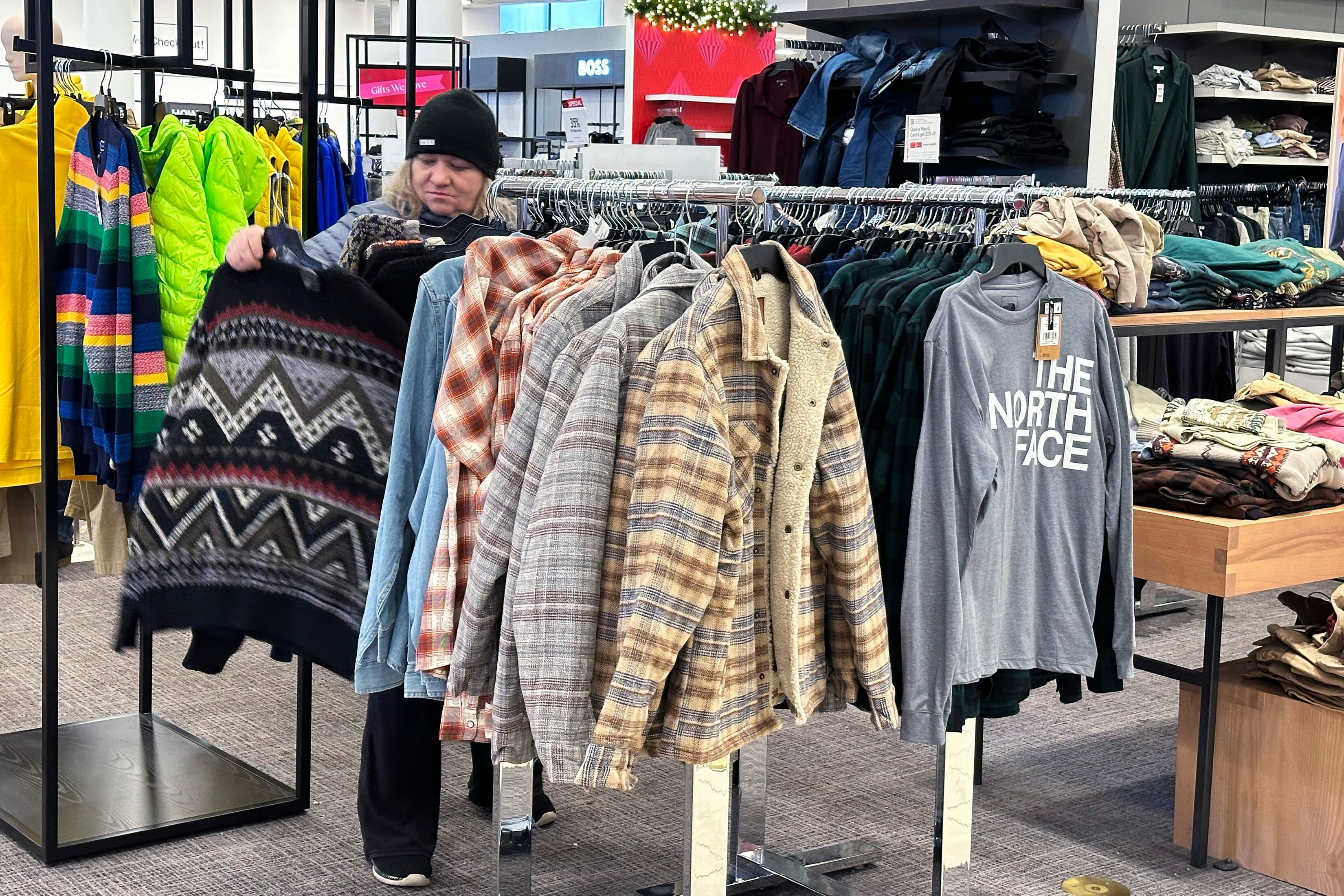
Americans stepped up their spending in December more than expected, closing out the holiday season and the year on an upbeat tone. The Commerce Department said retail sales rose 0.6% in December compared with a November’s 0.3% increase.
A New York architect charged in a string of slayings known as the Gilgo Beach killings was accused in a 25-year-old Connecticut woman's death.
Uber purchased Drizly in a cash-and-stock deal for $1.1 billion in 2021. The drink delivery app will shut down in March, according to Uber.
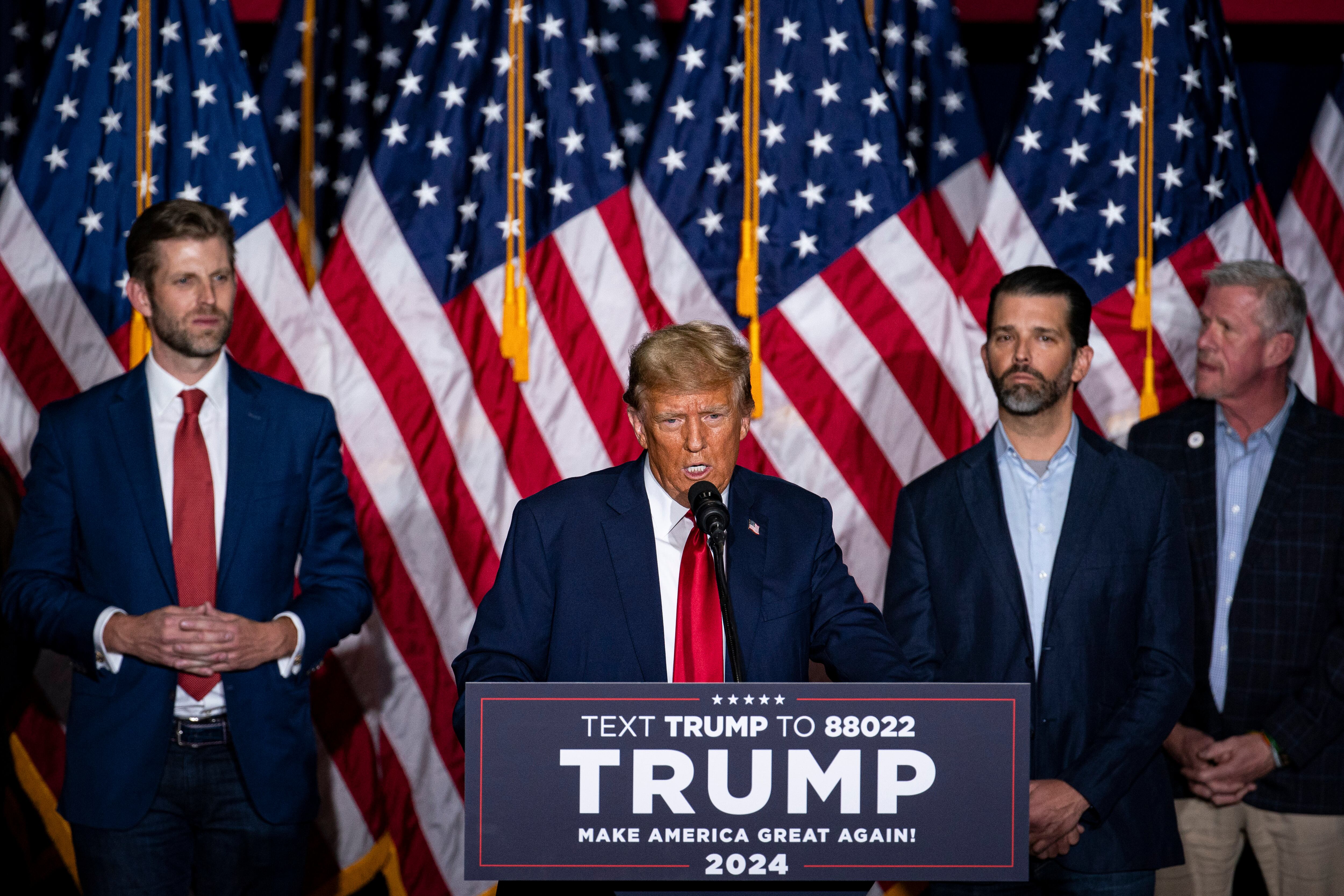
After Donald Trump's victory at the Iowa caucus, Nikki Haley and DeSantis continue their campaigns as New Hampshire's primary looms.
Christine Short, VP of Research at Wall Street Horizon, shares insights on small and big banks earnings, a fresh round of layoffs in the tech world, and what to expect from upcoming rate decisions.
More executives are feeling better about the global economy. But a growing number don’t think their companies will survive the coming decade without a major overhaul because of pressure from climate change and technology like artificial intelligence.
The International Olympic Committee has signed the first beer brand in the 40-year history of a sponsorship program that earns billions of dollars for the organization and international sports.
The latest calculations from several science agencies showing Earth obliterated global heat records last year may seem scary. But scientists worry that what’s behind those numbers could be even worse.