The power of A.I. can reach deeper than just recommending which show to binge on Netflix. It can also be used to analyze millions of images to predict things like income, political leanings, and buying habits. Steve Lohr, Technology and Economics Reporter at The New York Times, joined us to discuss artificial intelligence's full potential when it comes to predictive analytics.
Lohr's recent piece in The New York Times highlights a Stanford study that used 50 million images from Google Street View to give a glimpse of A.I.'s ability to gather data. He explains that researchers identified 22 million cars to draw conclusions about information such as which political candidate a particular zip code favored. The project took just 2 weeks to classify all the cars. In his piece, Lohr points out that without the help of AI, it would take human experts over 15 years to accomplish that task.
This type of data collection raises concerns over privacy and issues of data access. He says most of predictive analysis has been used for commercial purposes and selling products. The use of data becomes scary when it becomes integrated into decisions such as hiring, he says, because the mistakes become more costly.
EVGO closes a deal with GM to open more electric car charging stations across the U.S. The deal comes as GM looks to expand its fleet of electric cars over the next few years.
Stocks started August with more gains, and a worldwide rally on Monday sent Wall Street back to where it was just a couple days after it set its record earlier this year.
While retailers struggle and even close up shop amid the coronavirus pandemic, MikMak's presence in the e-commerce marketplace has allowed businesses to flourish.
CEO of DroppTV, Gurps Rai, and rapper Kid Daytona talked to Cheddar about the e-commerce revenue generation for musicians the platform provides.
Garret Reisman talks difficulty of returning to Earth from space as Nasa and SpaceX prepare for a return mission.
While the U.S. economy shrank at an annualized rate of 32.9 percent during the second quarter, the downturn didn't seem to affect Facebook at all.
Authorities say British man, a Florida man and a Florida teen hacked the Twitter accounts of prominent politicians, celebrities and technology moguls to scam people around the globe out of more than $100,000 in Bitcoin.
From Wall Street to Silicon Valley, these are the top stories that moved markets and had investors, business leaders, and entrepreneurs talking this week on Cheddar.
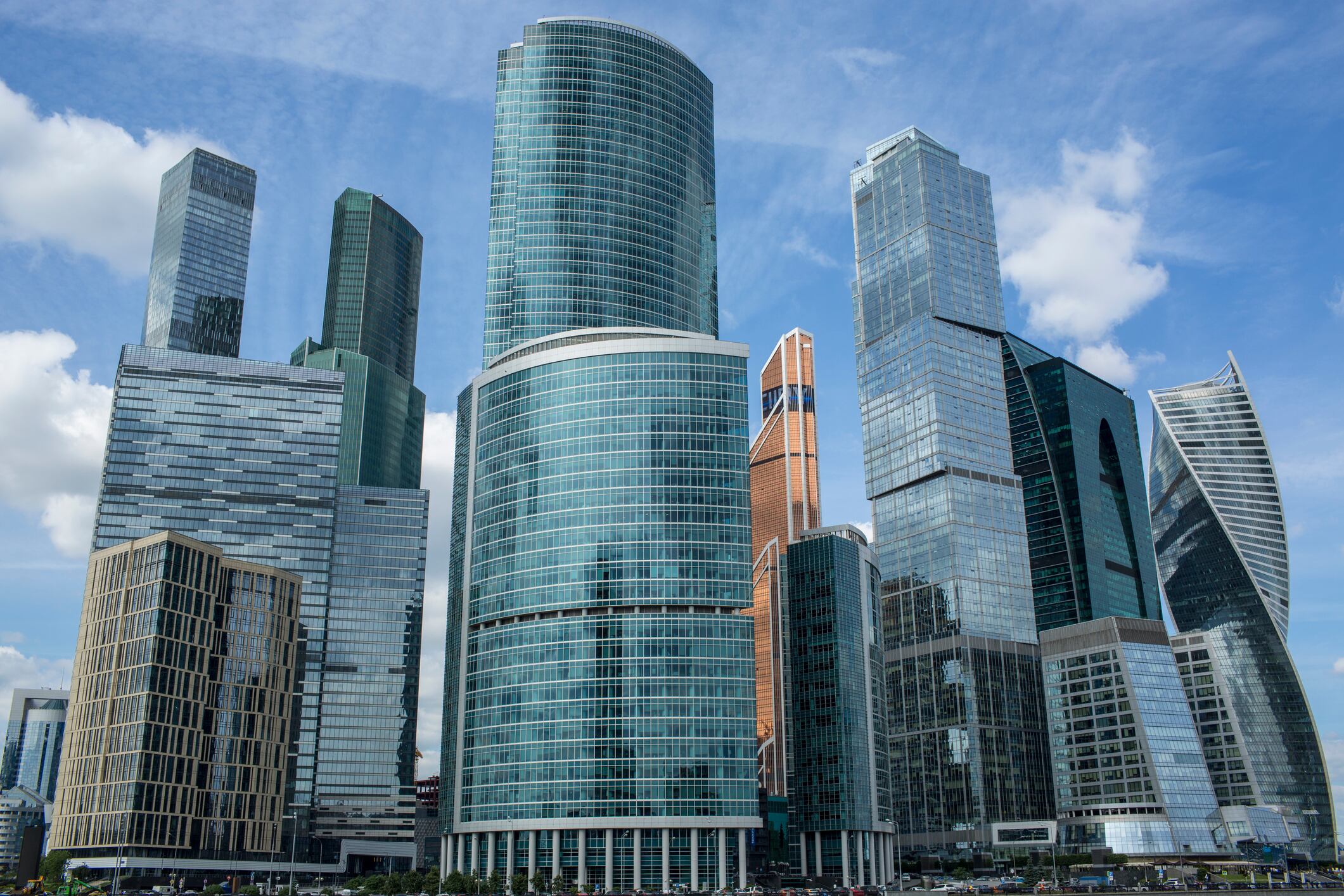
New York City has over 6,000 high rise buildings and for the last 75 years most of the skyscrapers built were constructed with glass facades. This trend has continued in cities across the world like London, Moscow, and Shanghai. But over the years, the drawbacks have become more prominent. They may look like elegant symbols of modernity, but beyond that shimmer is a list of problems that has some leaders proposing bans. All that beauty comes at a price.
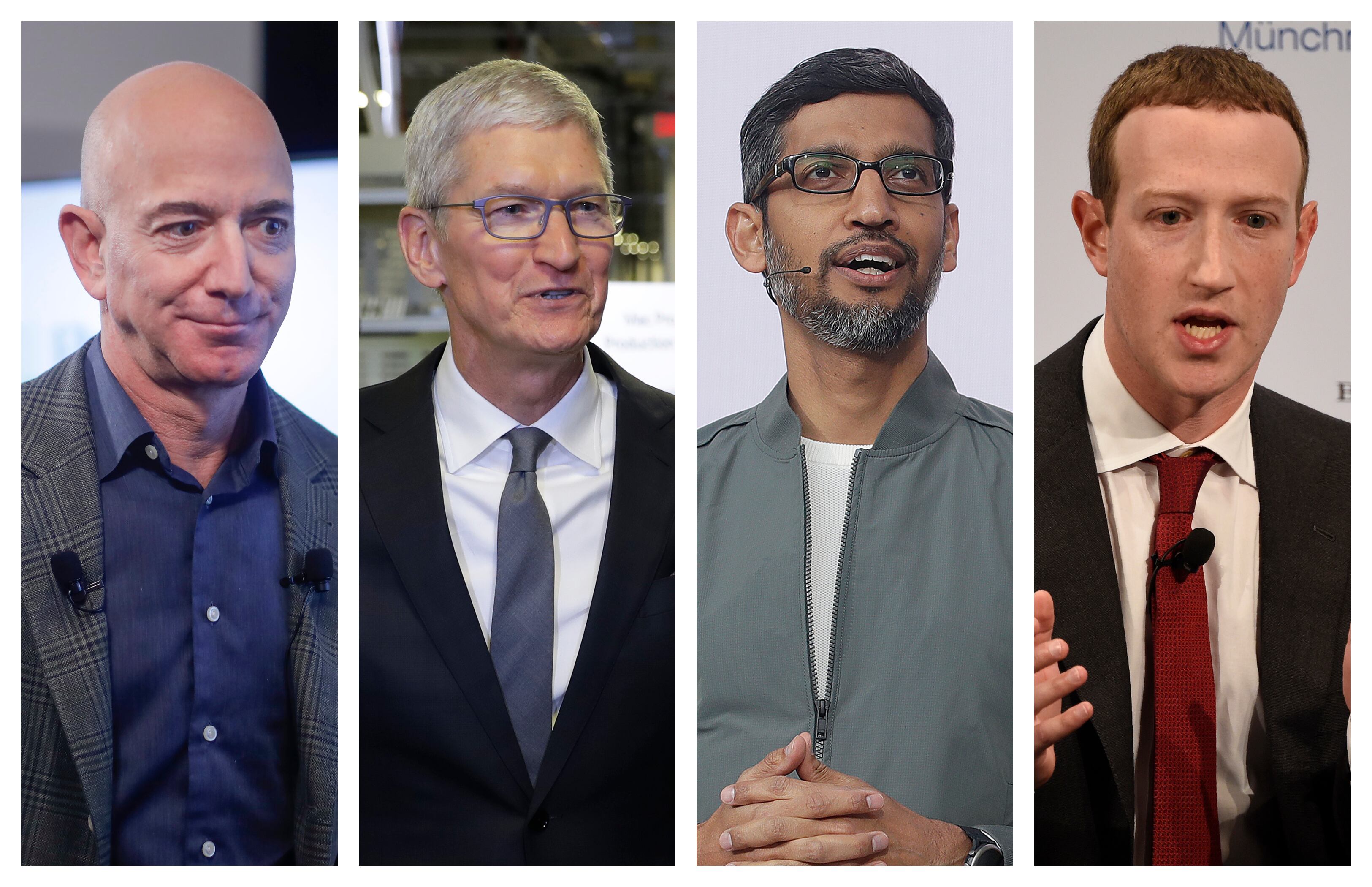
Four Big Tech CEOs are fending off accusations of stifling competition in front of a congressional panel that is investigating market dominance in the industry.