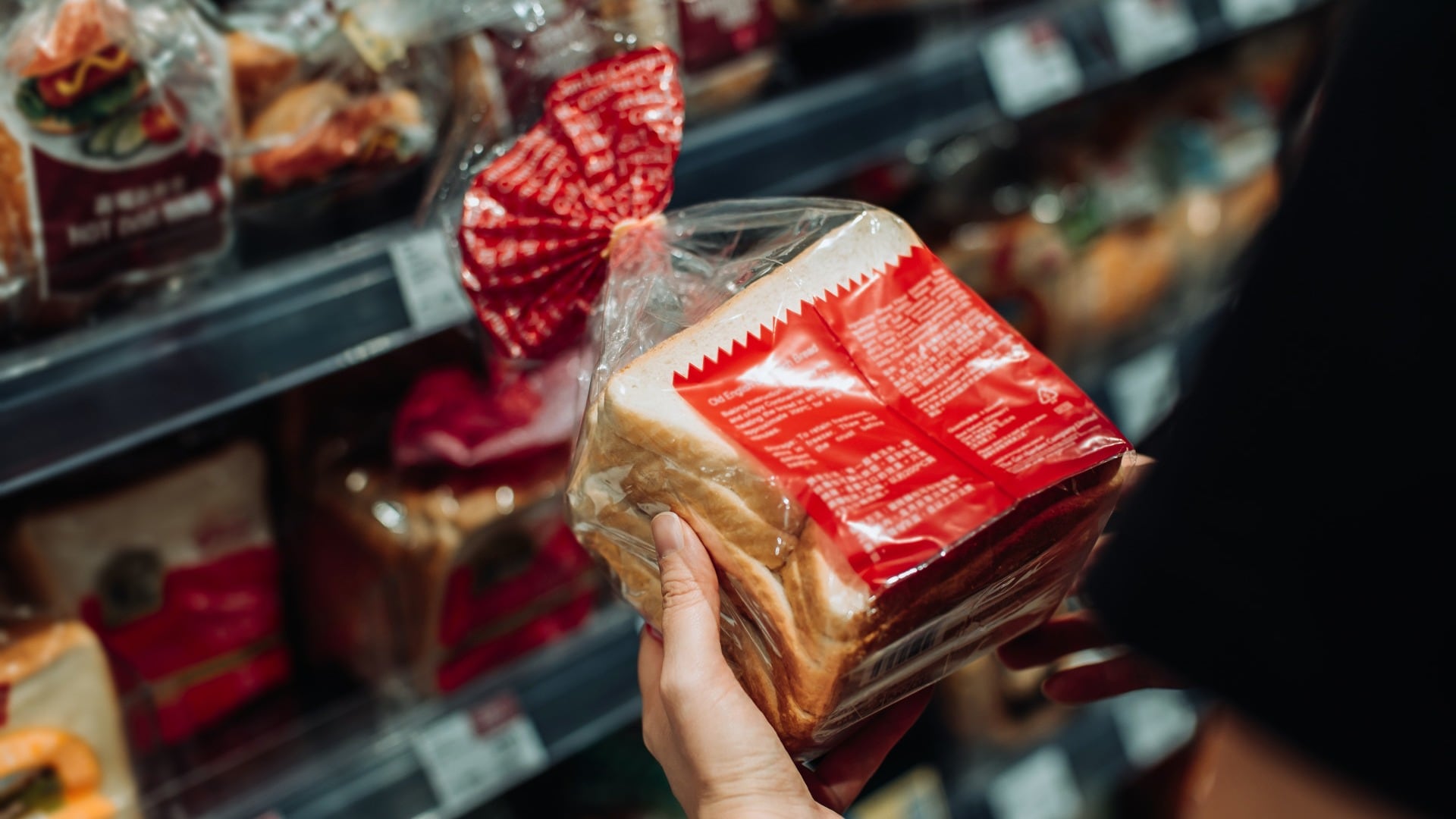
The United Nations' global index for tracking food prices fell 1.9 percent in December after hitting an all-time high in 2022 amid drought, war, pandemic, and supply chain challenges.
The Food and Agriculture Organization of the United Nations (FAO) Food Price Index, which tracks commonly traded food commodities, averaged 143.7 points in 2022. That is down one percent from the number one year ago, but 14.3 percent above the average value in 2021.
Over that period, essential goods have seen sizable price drops. The price of vegetable oil, for example, was down 6.7 percent from November, hitting their lowest levels since before the war in Ukraine. Cereal prices, meanwhile, were down 1.9 percent from November, while meat was down 1.2 percent.
While welcoming the improvement, the United Nation is urging nations to stay vigilant to avoid the kind of global food shortages that come with higher prices.
"Calmer food commodity prices are welcome after two very volatile years," said FAO Chief Economist Maximo Torero in a news release. "It is important to remain vigilant and keep a strong focus on mitigating global food insecurity given that world food prices remain at elevated levels, with many staples near record highs, and with prices of rice increasing, and still many risks associated with future supplies"
One exception to the steady price declines: dairy products. The FAO Dairy Price Index was up 1.2 percent in December, mostly due to higher international cheese prices.
Federal Reserve Chairman Jerome Powell should be very cautious when deciding to raise interest rates or he risks another bank crisis, Rep. John Garamendi (D-Calif. 8th District) told Cheddar News.
The U.S. military said a Russian warplane struck the propeller of a U.S. drone over the Black Sea, causing America forces to bring the unmanned aircraft down in international waters.
The Environmental Protection Agency (EPA) is proposing the nation's first-ever drinking water standard around polyfluoroalkyl substances (PFAS) or "forever chemicals."
President Joe Biden signed an executive order on Tuesday that will ramp up the number of background checks conducted before gun sales.
A pioneer for women’s and family rights in Congress, former Colorado Rep. Pat Schroeder, has died at the age of 82.
Illinois will become one of three states to require employers to offer paid time off for any reason.
Roku was among those businesses impacted by the fall of Silicon Valley Bank, having around 26 percent of its cash and cash equivalents deposited at the bank.
Depositors withdrew savings, and investors broadly sold off bank shares as the federal government raced to reassure Americans that the banking system is secure following two bank failures.
The Biden administration is approving the major Willow oil project on Alaska’s petroleum-rich North Slope.
Donald Trump’s former lawyer and fixer Michael Cohen is expected to testify Monday before a Manhattan grand jury investigating hush money payments he arranged and made on the former president’s behalf.