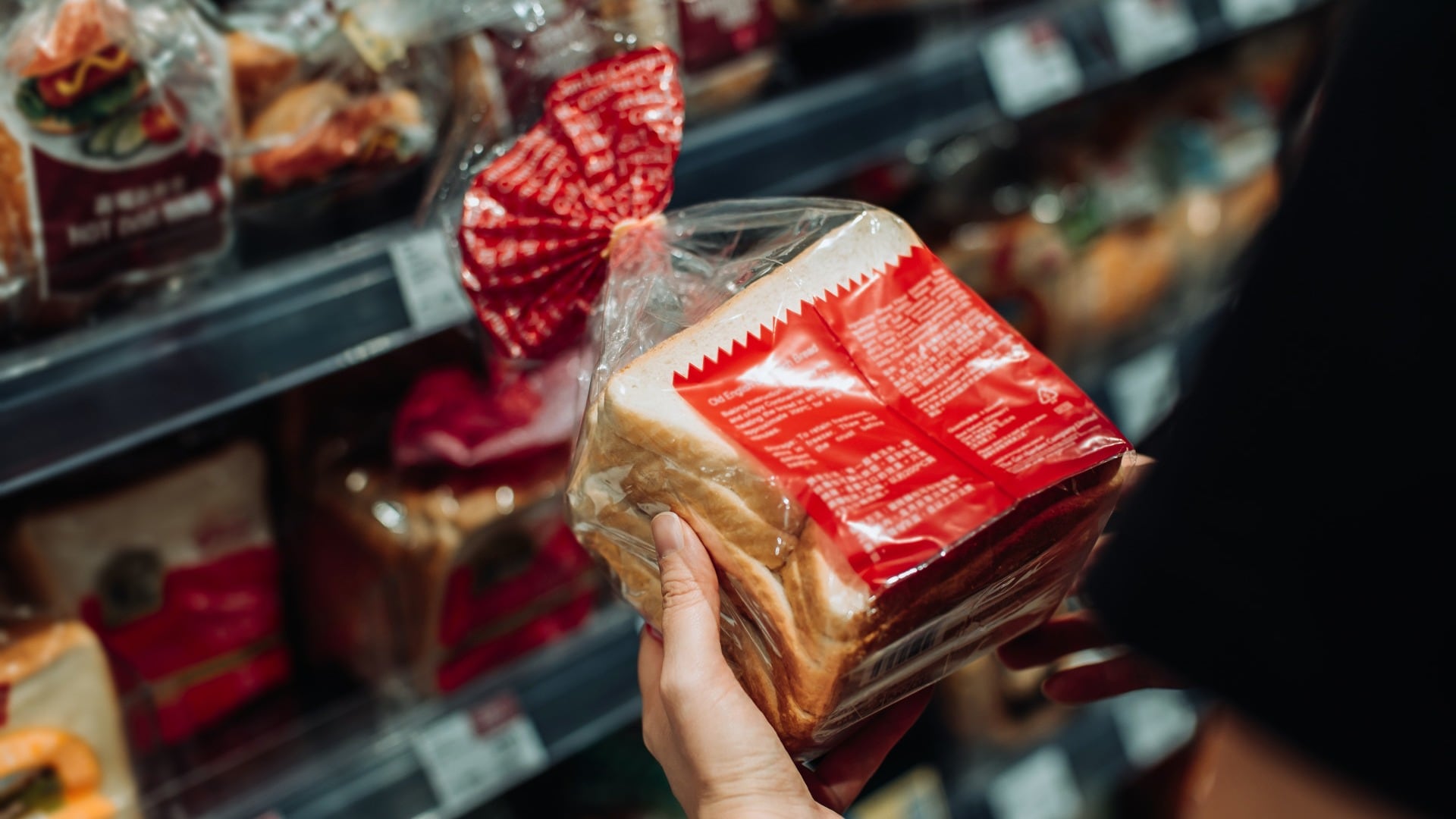
The United Nations' global index for tracking food prices fell 1.9 percent in December after hitting an all-time high in 2022 amid drought, war, pandemic, and supply chain challenges.
The Food and Agriculture Organization of the United Nations (FAO) Food Price Index, which tracks commonly traded food commodities, averaged 143.7 points in 2022. That is down one percent from the number one year ago, but 14.3 percent above the average value in 2021.
Over that period, essential goods have seen sizable price drops. The price of vegetable oil, for example, was down 6.7 percent from November, hitting their lowest levels since before the war in Ukraine. Cereal prices, meanwhile, were down 1.9 percent from November, while meat was down 1.2 percent.
While welcoming the improvement, the United Nation is urging nations to stay vigilant to avoid the kind of global food shortages that come with higher prices.
"Calmer food commodity prices are welcome after two very volatile years," said FAO Chief Economist Maximo Torero in a news release. "It is important to remain vigilant and keep a strong focus on mitigating global food insecurity given that world food prices remain at elevated levels, with many staples near record highs, and with prices of rice increasing, and still many risks associated with future supplies"
One exception to the steady price declines: dairy products. The FAO Dairy Price Index was up 1.2 percent in December, mostly due to higher international cheese prices.
Vice President Kamala Harris on Saturday urged Americans to take action during “a critical point in our nation’s history” as thousands of protesters demonstrated across the country against new limits to abortion rights making their way through the courts.
As explosions and gunfire thundered outside, Sudanese huddled in their homes for a third day Monday in the capital Khartoum and other cities, while the army and a powerful rival force battled in the streets for control of the country.
Norwegian battery startup Freyr is planning its next factory in an Atlanta suburb because a new U.S. clean energy law offers generous tax credits for local production.
Next month, the IRS will release the first in a series of reports looking into how a publicly run system might be created.
Without citing a reason, the Delaware judge overseeing a voting machine company’s $1.6 billion defamation lawsuit against Fox News announced late Sunday that he was delaying the start of the trial until Tuesday.
“This has been an unspeakable week of tragedy for our city,” said mayor Craig Greenberg.
The Supreme Court said Friday it was temporarily keeping in place federal rules for use of an abortion drug, while it takes time to more fully consider the issues raised in a court challenge.
President Joe Biden announced Thursday that hundreds of thousands of immigrants brought to the U.S. illegally as children will be able to apply for Medicaid and the Affordable Care Act's health insurance exchanges.
Anyone who wants to buy a gun in Michigan will have to undergo a background check, and gun owners will be required to safely store all firearms and ammunition when around minors under new laws signed Thursday by Gov. Gretchen Whitmer.
In Ireland this week, well-wishers have lined the streets to catch a mere glimpse of President Joe Biden. Photos of his smiling face are plastered on shop windows, and one admirer held a sign reading, “2024 — Make Joe President Again.”