The United Nations' global index for tracking food prices fell 1.9 percent in December after hitting an all-time high in 2022 amid drought, war, pandemic, and supply chain challenges.
The Food and Agriculture Organization of the United Nations (FAO) Food Price Index, which tracks commonly traded food commodities, averaged 143.7 points in 2022. That is down one percent from the number one year ago, but 14.3 percent above the average value in 2021.
Over that period, essential goods have seen sizable price drops. The price of vegetable oil, for example, was down 6.7 percent from November, hitting their lowest levels since before the war in Ukraine. Cereal prices, meanwhile, were down 1.9 percent from November, while meat was down 1.2 percent.
While welcoming the improvement, the United Nation is urging nations to stay vigilant to avoid the kind of global food shortages that come with higher prices.
"Calmer food commodity prices are welcome after two very volatile years," said FAO Chief Economist Maximo Torero in a news release. "It is important to remain vigilant and keep a strong focus on mitigating global food insecurity given that world food prices remain at elevated levels, with many staples near record highs, and with prices of rice increasing, and still many risks associated with future supplies"
One exception to the steady price declines: dairy products. The FAO Dairy Price Index was up 1.2 percent in December, mostly due to higher international cheese prices.
White House press secretary Karine Jean-Pierre says the White House has confidence the Secret Service is “going to get to the bottom of this.”
Americans are segregating by their politics at a rapid clip, helping fuel the greatest divide between the states in modern history.
China has restricted exports of high-tech metals gallium and germanium, which are critical to making chips, in response to the U.S. blocking them from access to advanced chips.
A federal judge in Louisiana has restricted the Biden administration from communicating with social media platforms regarding content.
Russia said it's in contact with the U.S. over the imprisonment of journalist Evan Gershkovich.
They spoke to The Associated Press on condition of anonymity because they were not authorized to discuss the investigation publicly.
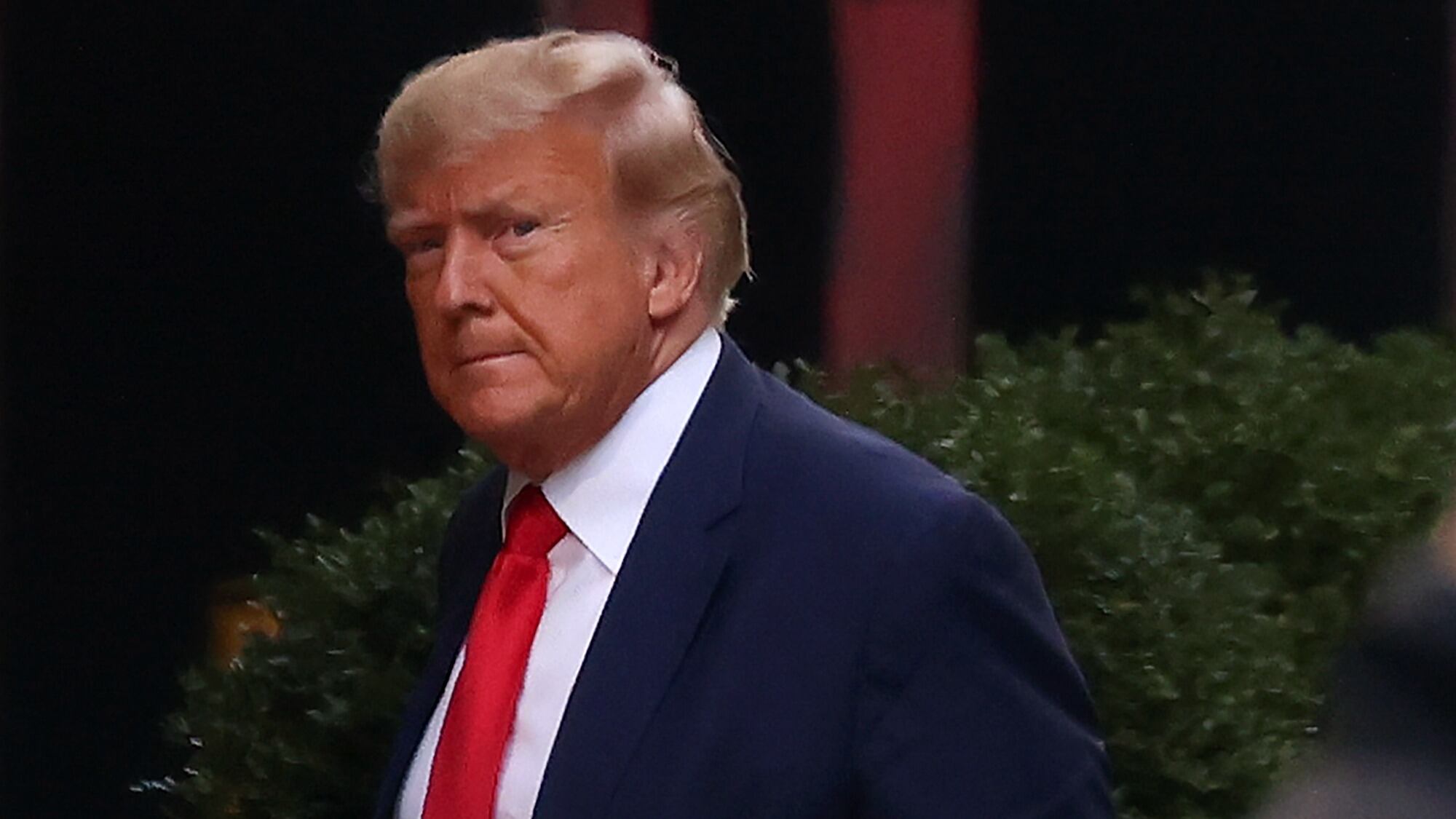
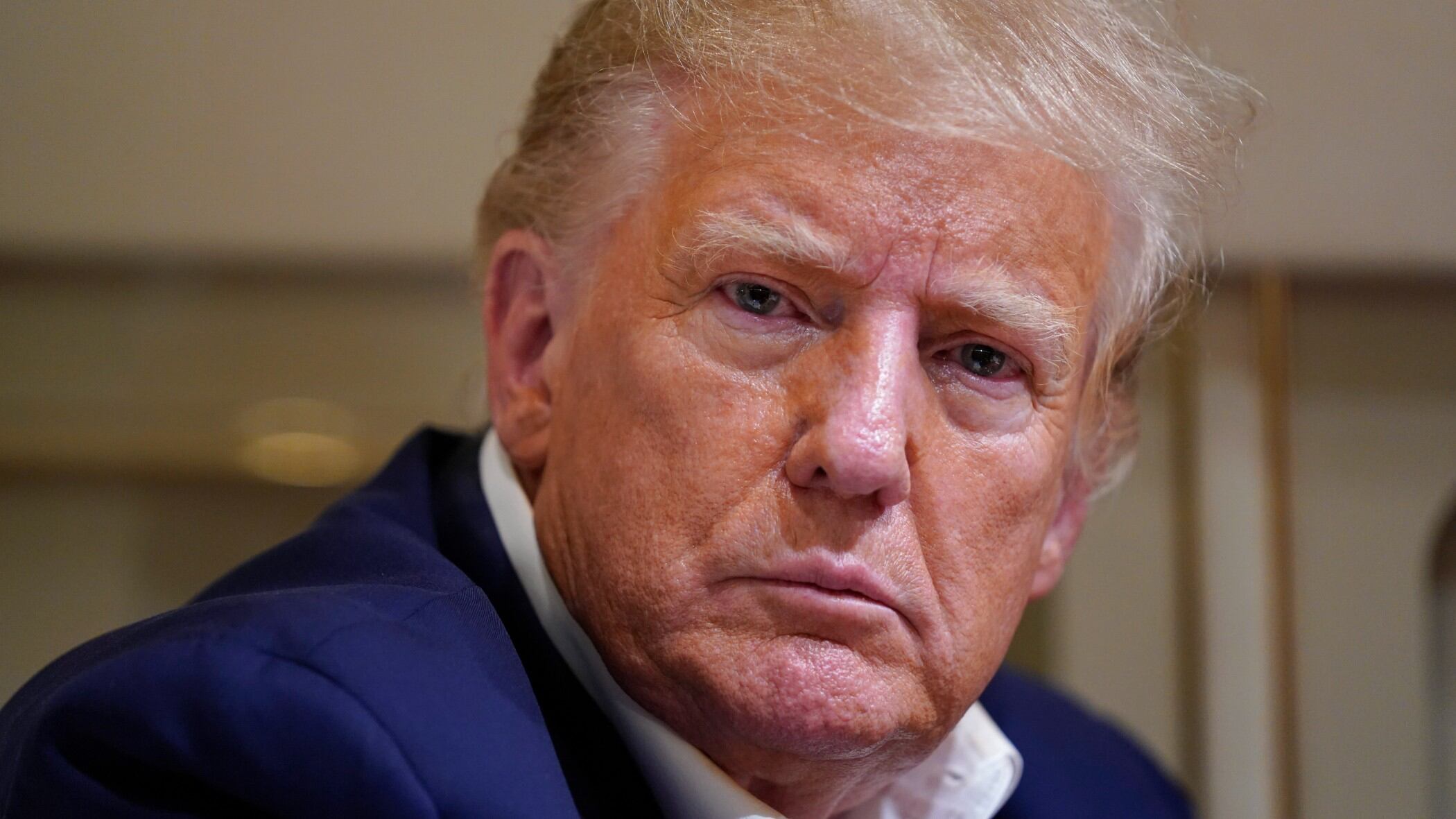
Former President Donald Trump reportedly pressured former Arizona Gov. Doug Ducey to overturn the state's 2020 election results.
Former President Donald Trump reportedly pressured former Arizona Governor Doug Ducey to overturn the state's 2020 election results.
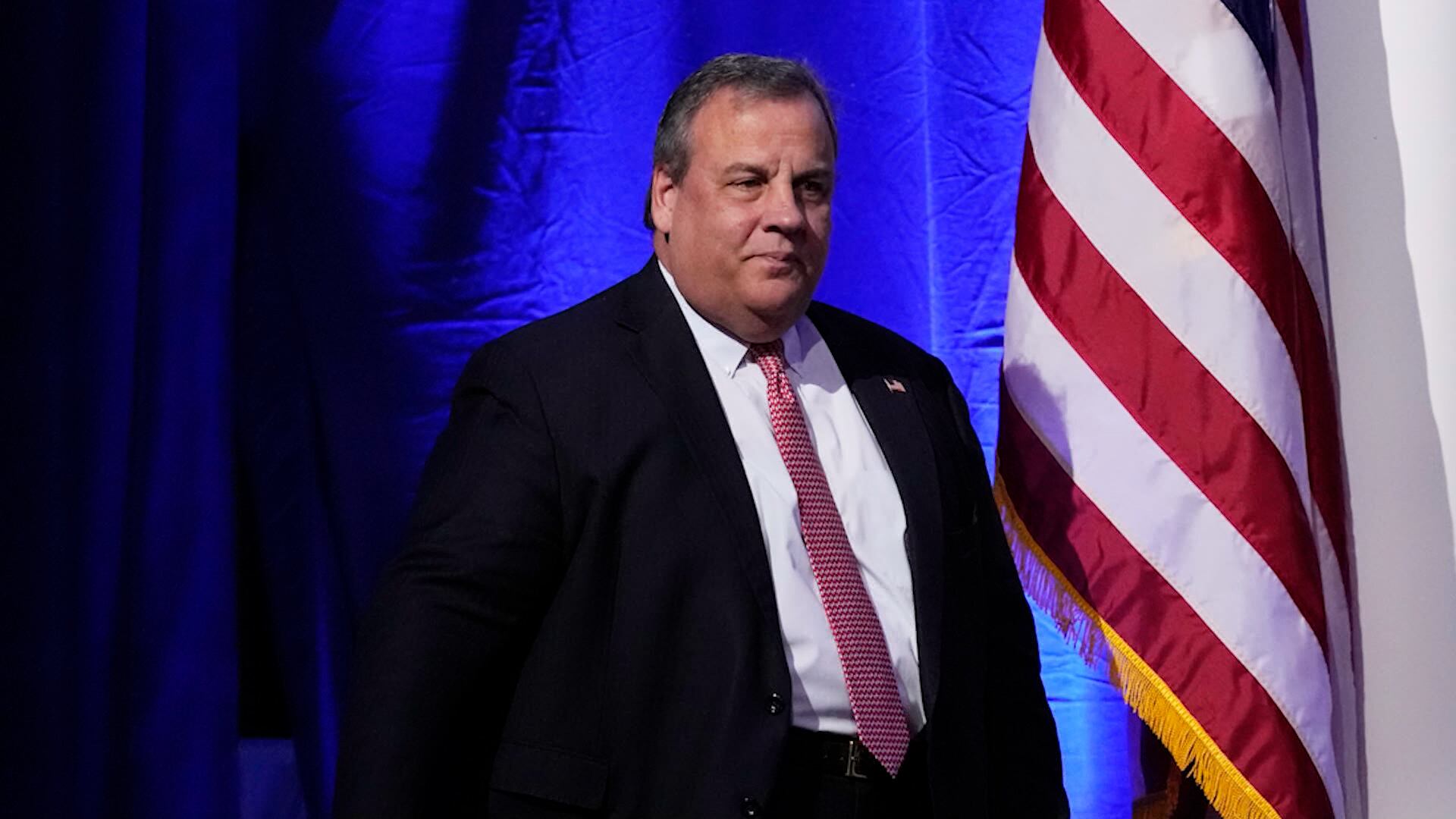
Former New Jersey Gov. Chris Christie said President Joe Biden and former President Donald Trump are "beyond their sell-by date" in an interview with The New York Times.
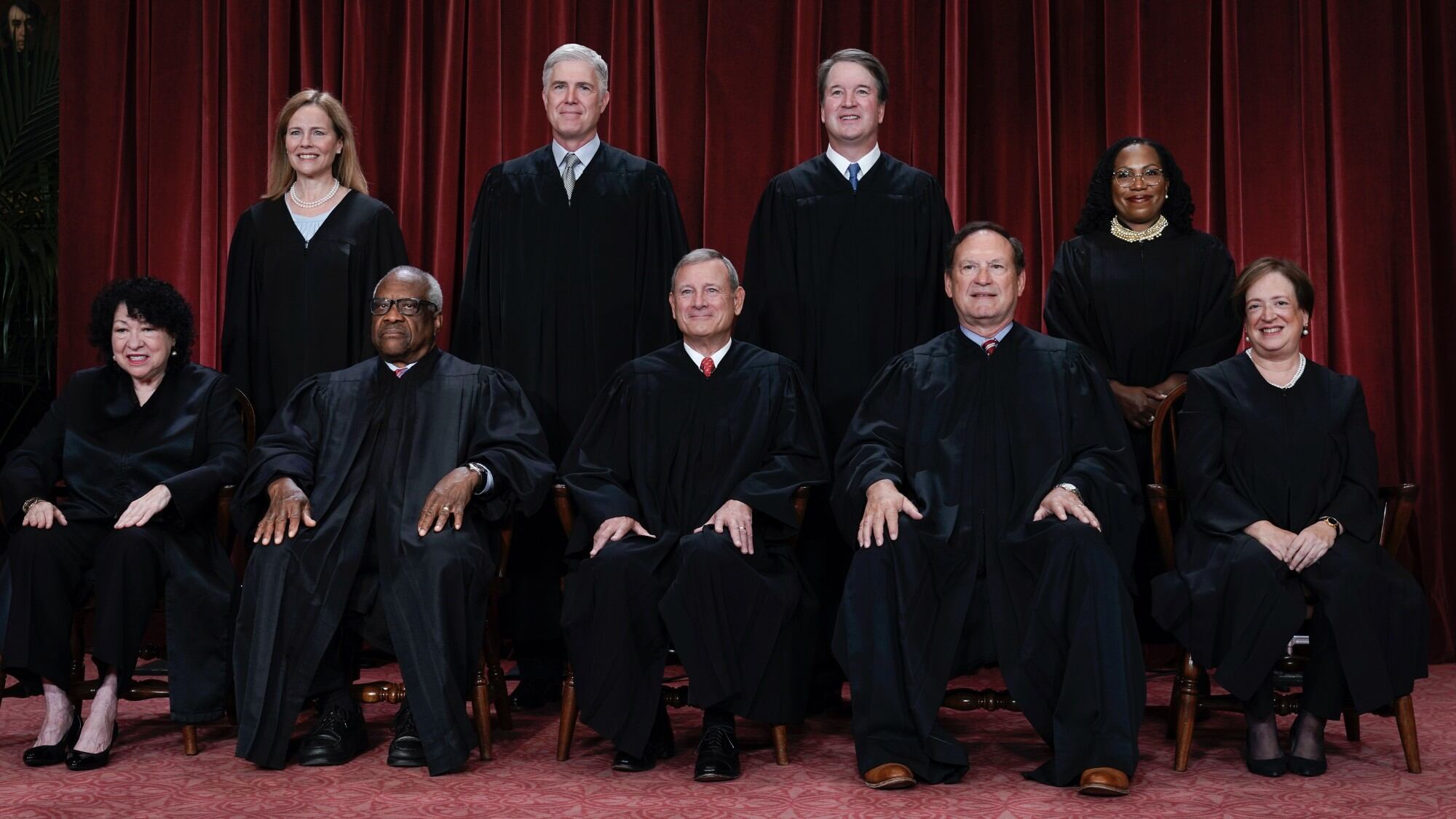
Overturning Roe v. Wade and eliminating affirmative action in higher education had been leading goals of the conservative legal movement for decades. In a span of 370 days, a Supreme Court reshaped by three justices nominated by President Donald Trump made both a reality.