Federal Reserve Chair Jerome Powell stuck to his guns on Wednesday following a two-day policy meeting of the Federal Open Market Committee, repeating a message that has become all too familiar for market-watchers: The Fed will keep interest rates near zero and continue asset-purchases "until the recovery is complete," he said.
For interest rates specifically, that means reaching full-employment and an inflation rate of roughly 2 percent over time before tinkering with the current formula.
"With inflation running persistently below 2 percent, we will aim to achieve moderately above 2 percent for some, so that inflation averages 2 percent over time and longer-term inflation expectations remain well-anchored at 2 percent," Powell said.
Fears of inflation amid massive federal stimulus have led some to question the Fed's steadfast commitment to low interest rates, but the chairman stressed during the press conference that a "transitory rise above 2 percent this year" was not a concern.
The chairman emphasized that this current outlook is not likely to change until maximum employment is achieved.
"It seems unlikely, frankly that we would see inflation moving up in a persistent way that would actually move inflation expectations up while there's still significant slack in the labor market," he said. "I won't say it's impossible, but it seems unlikely."
As for asset purchases, Powell said the Fed plans to maintain its current level of buying until the economy sees "substantial further progress."
He added that the Fed does not have an independent standard related to the status of the virus, but that progress combatting the pandemic will likely "coexist" with broader economic improvements.
In an annual assessment of global inequalities, Oxfam International said the first trillionaire could emerge within the next decade — as the anti-poverty organization pointed to the growing wealth gap that skyrocketed globally during the pandemic.
The Biden administration proposed a cost drop for overdrawing bank accounts, which it says could particularly relieve Americans living paycheck to paycheck.
With thousands of layoffs in tech and beyond, how workers can keep their skills sharp, plus reasons to be hopeful when looking at the job market.
Taking a look at investment strategy as the new year gets into full swing.
Americans stepped up their spending in December more than expected, closing out the holiday season and the year on an upbeat tone. The Commerce Department said retail sales rose 0.6% in December compared with a November’s 0.3% increase.
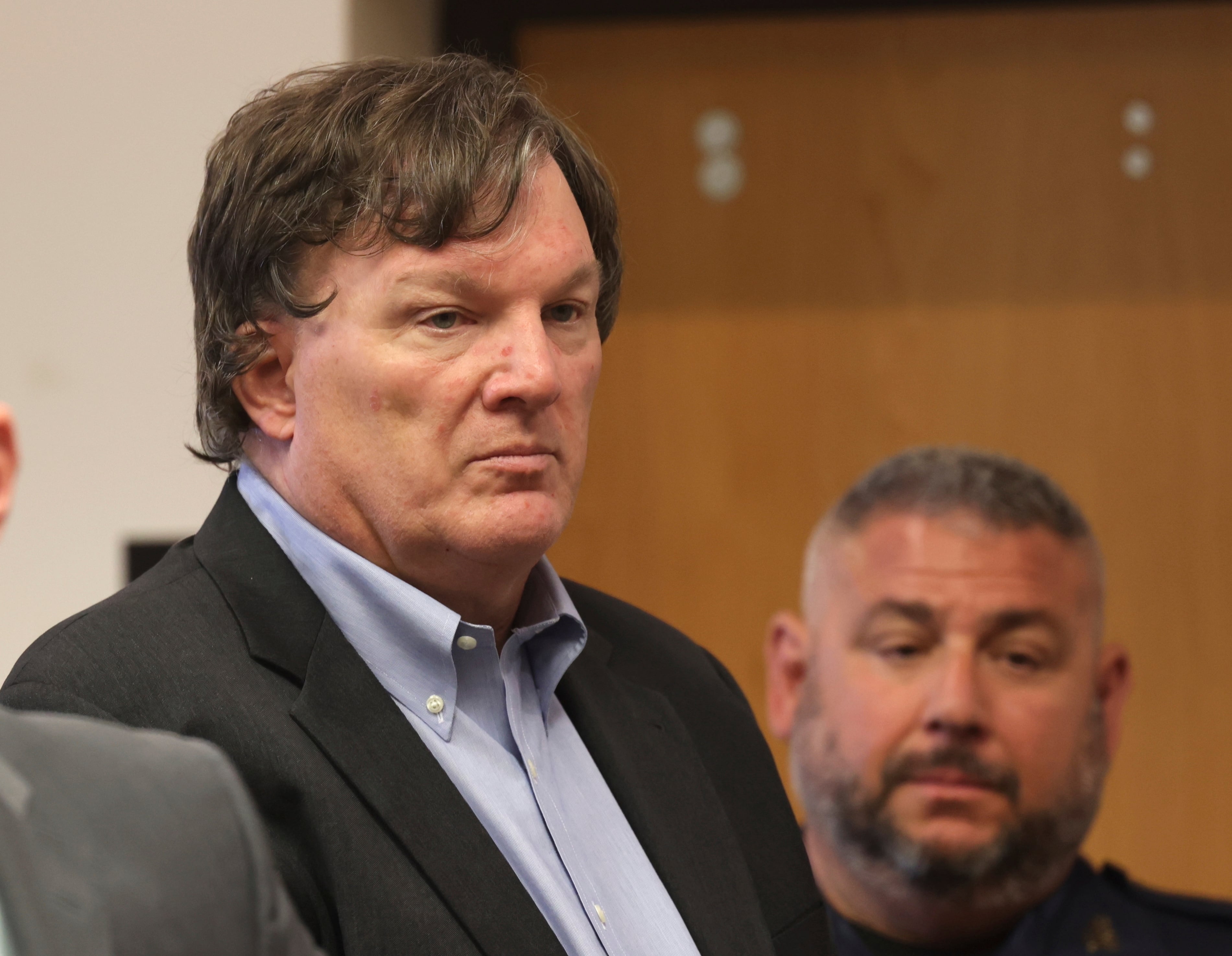
A New York architect charged in a string of slayings known as the Gilgo Beach killings was accused in a 25-year-old Connecticut woman's death.
Uber purchased Drizly in a cash-and-stock deal for $1.1 billion in 2021. The drink delivery app will shut down in March, according to Uber.
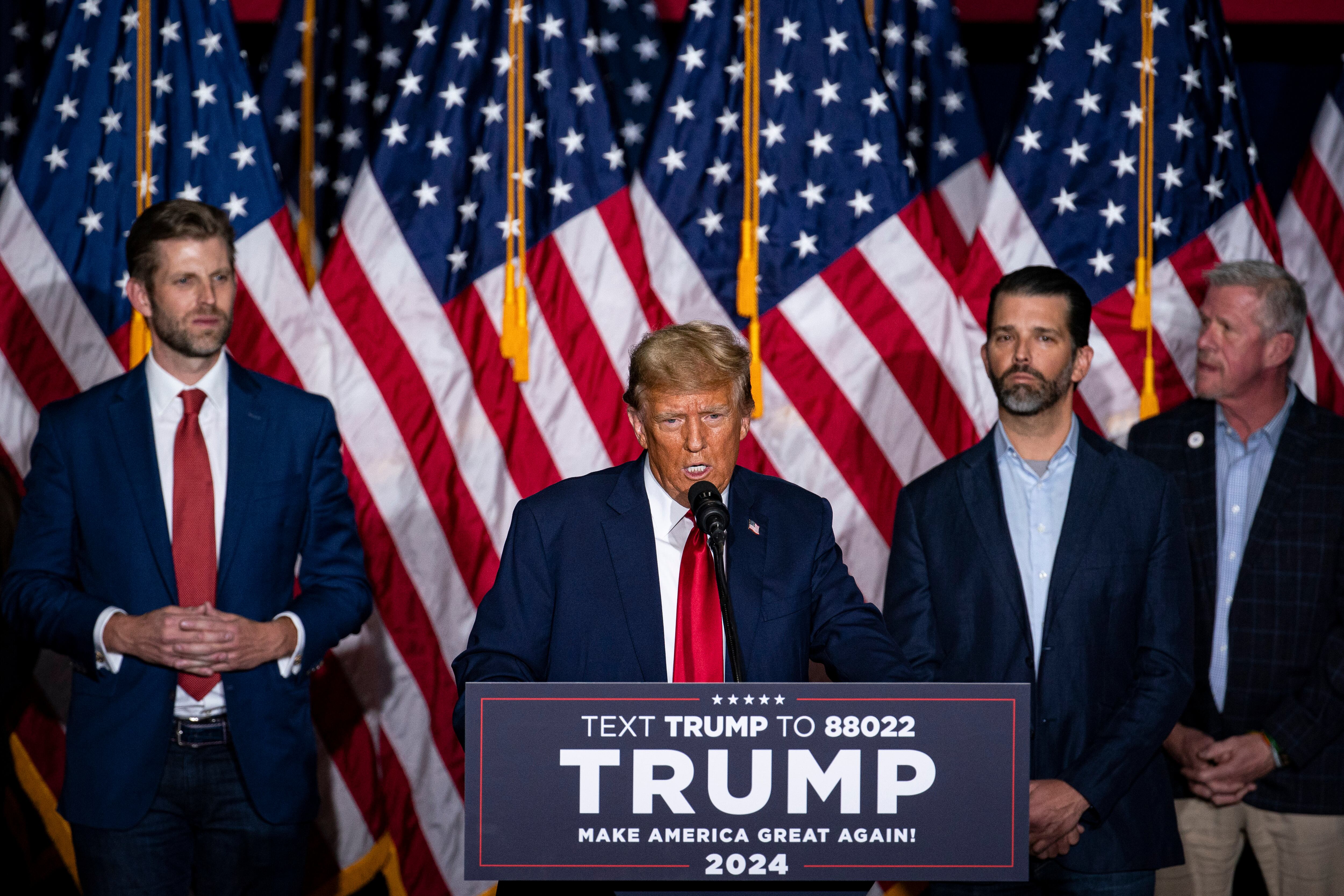
After Donald Trump's victory at the Iowa caucus, Nikki Haley and DeSantis continue their campaigns as New Hampshire's primary looms.
Christine Short, VP of Research at Wall Street Horizon, shares insights on small and big banks earnings, a fresh round of layoffs in the tech world, and what to expect from upcoming rate decisions.
More executives are feeling better about the global economy. But a growing number don’t think their companies will survive the coming decade without a major overhaul because of pressure from climate change and technology like artificial intelligence.