In line with a Biden administration proposal, pharmaceutical giant Eli Lilly is cutting the price of its most commonly prescribed insulins by 70 percent and capping out-of-pocket costs at $35 or less per month.
"While the current healthcare system provides access to insulin for most people with diabetes, it still does not provide affordable insulin for everyone and that needs to change," said CEO David A. Ricks. "The aggressive price cuts we're announcing today should make a real difference for Americans with diabetes. Because these price cuts will take time for the insurance and pharmacy system to implement, we are taking the additional step to immediately cap out-of-pocket costs for patients who use Lilly insulin and are not covered by the recent Medicare Part D cap."
Here is a list of the drugs seeing price cuts, via Eli Lilly:
"We are driving for change in repricing older insulins, but we know that 7 out of 10 Americans don't use Lilly insulin," said Ricks. We are calling on policymakers, employers and others to join us in making insulin more affordable."
The company said it will launch a nationwide awareness campaign in the coming weeks to spread the word about its new lower costs.
Activists have long called for more affordable insulin, which even with insurance can place a financial burden on those in need. The American Diabetes Association has found that there are approximately $15 billion in excess costs for insulin in 2017.
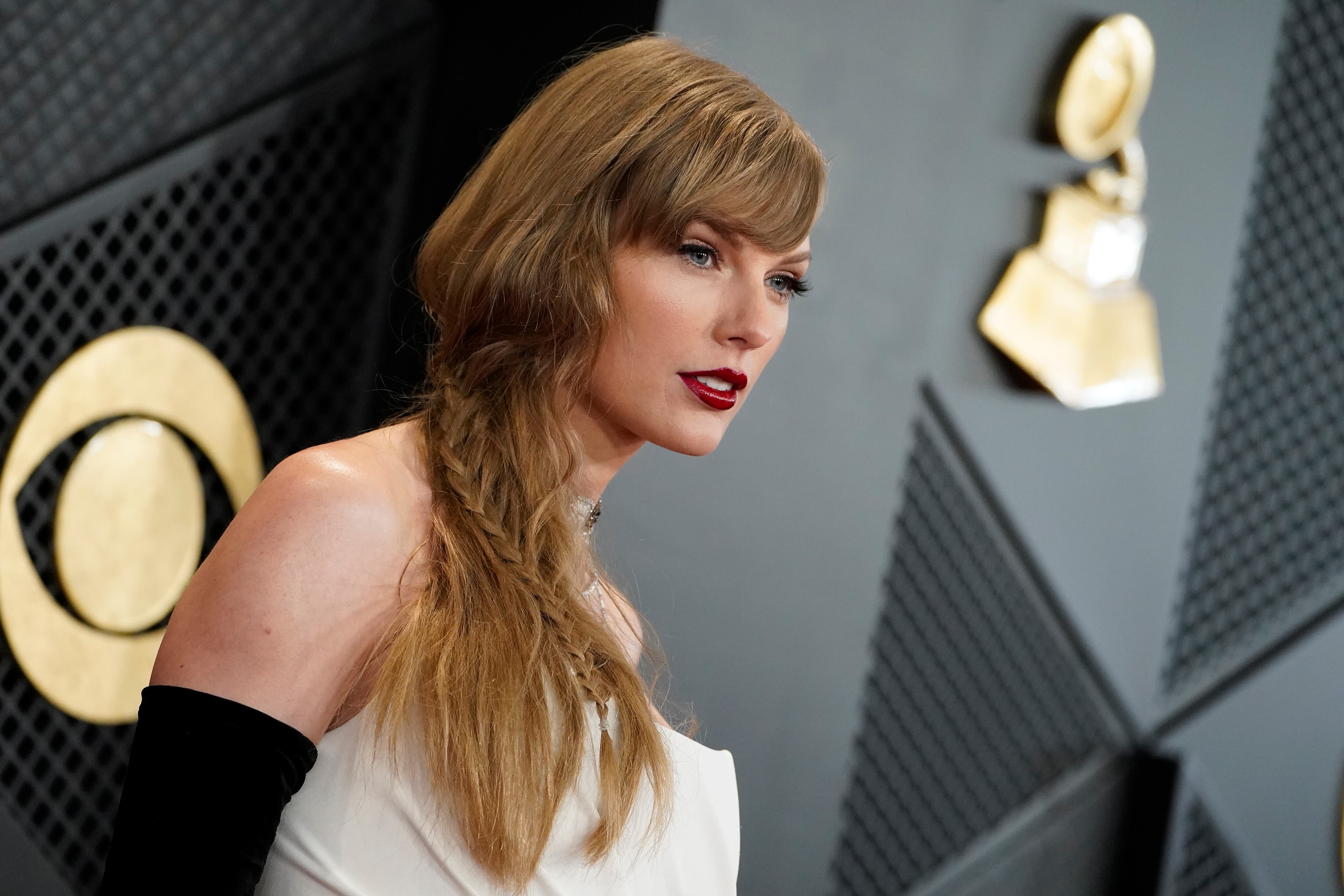
David Stryzewski, CEO of Sound Planning Group, breaks down Disney’s latest results, from adding Taylor Swift to building out ESPN, and why Bob Iger’s leadership is crucial.
Kevin Cohee, CEO and chairman of OneUnited Bank, discusses the power of financial literacy and how education and technology can help bridge the racial wealth gap.
Alex McGrath, Chief Investment Officer at NorthEnd Private Wealth, discusses why the A.I. hype can’t power the market forever and how to position investments in the current market.
Paul Verna of Insider Intelligence breaks down how the company is positioned, whether they can make their streaming service profitable, and the upper limit of streaming bundle prices.
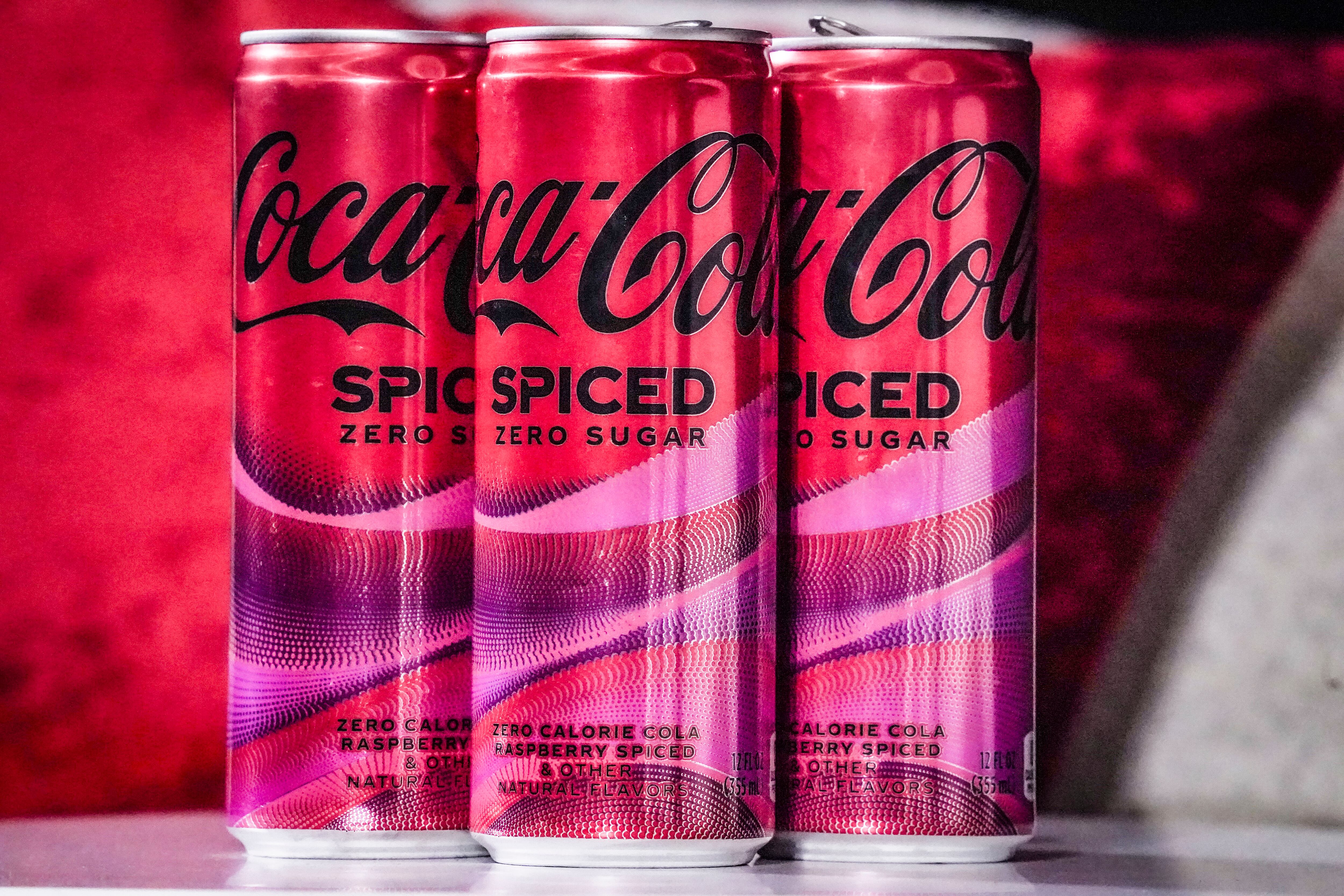
From Flamin’ Hot Cheetos to Sweet Heat Starburst, America’s snacks are getting spicier. Now, Coca-Cola wants in on the trend. The beverage giant introduced Coca-Cola Spiced, the first new permanent offering to its North American portfolio in three years.
Taylor Swift’s camp is hitting Jack Sweeney, a junior at the University of Central Florida, with a cease-and-desist letter that blamed his automated tracking of her private jet for tipping off stalkers as to her location.
Surprise, surprise: tech is still the sector to watch, according to Karyn Cavanaugh, Chief Investment Officer at Carolinas Wealth Management. Learn how to properly diversify your portfolio.