Once seen by politicians as a tool to tackle issues, Capitol Hill is finding out that technology could be a double-edged sword with unintended consequences. Cecilia Kang, National Technology Correspondent at The New York Times, joined to take a closer look at the crossroads between politics and Silicon Valley.
Kang discussed why the Democrats became sour on Silicon Valley. She said the 2016 election was the start of a journey for the Democratic party to evaluate the role of technology companies in the spread of information. Kang added that they wanted to investigate whether social media companies were good or potentially harmful for democracy. When the shock wore off from the election results, they wanted to look into what was behind the outcome.
Are Democrats just trying to find something else to blame for election results they aren’t happy with? Kang pointed out that social media companies themselves have acknowledged that they did play a role in the election. This is evident in the newsfeed algorithm changes implemented by Facebook. The company is now placing a heavier emphasis on content from friends and family opposed to content from publishers.
Johann Kerbrat, VP and General Manager at Robinhood joins Cheddar to discuss Bitcoin's recent rise and how the company got into election betting. Watch!
Guy Diedrich, SVP and Global Innovation Officer at Cisco joined Cheddar to discuss how our digital diets impact our well being & an upcoming study to prove it!
With the election behind us, many are wondering what the next four years look like for the US economy. Drew Pettit, from Citi Group joins Cheddar to discuss.
Jeff Ostrowski, Mortgage & Housing Analyst at Bankrate, discusses mortgage rates in America and how the housing market will change under a second Trump term.
The NAACP has entered the VC space with a new fund that will invest in startups and fund managers that are focused on closing gaps facing communities of color.
Can a layoff lead to your next big thing? Issie Lapowsky, contributor for Inc. Magazine and Alphonzo Terrell, co-founder and CEO of Spill join us to discuss.
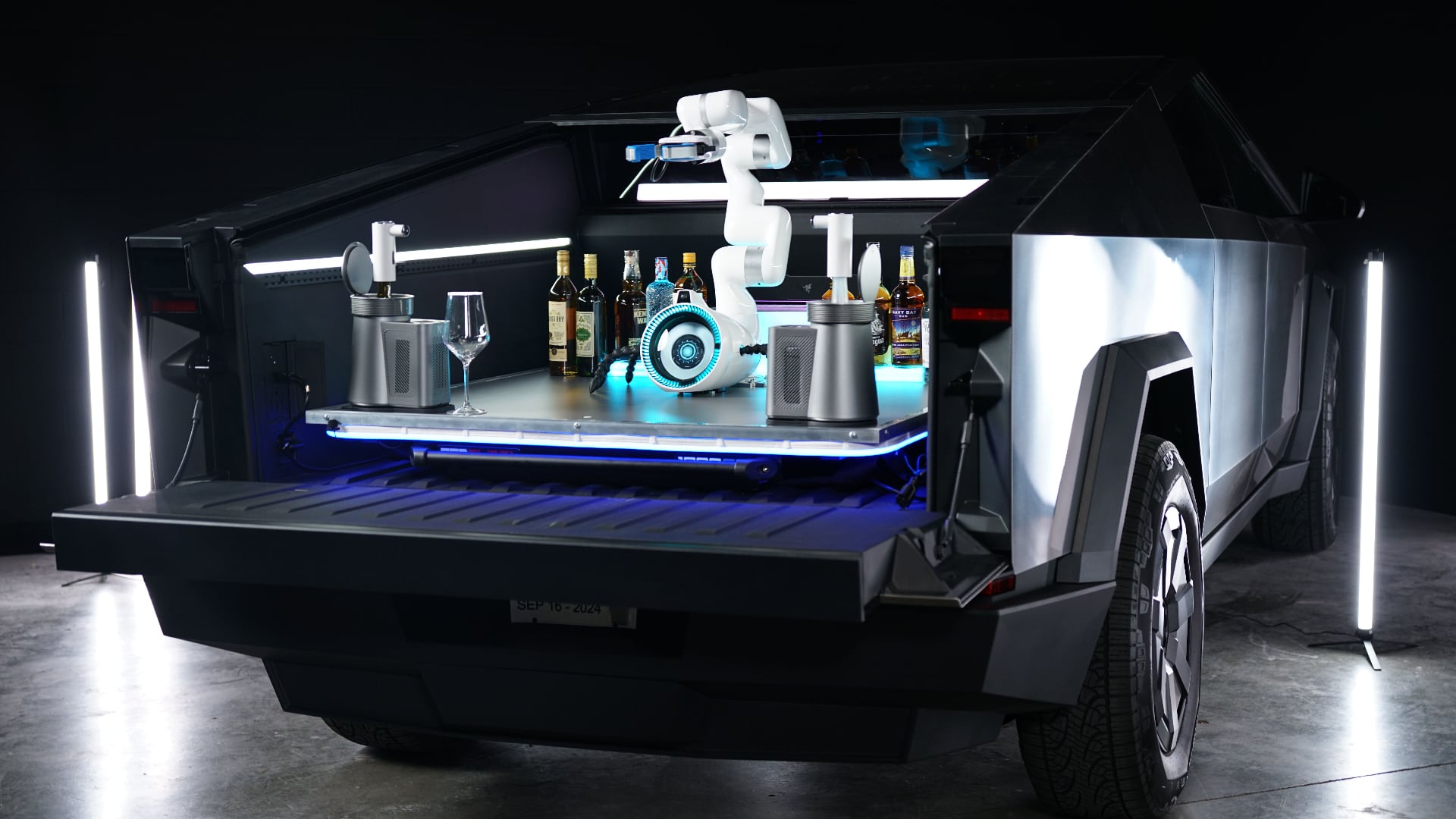
Meet Scorpion, the latest, Nvidia-powered service robot from Richtech Robotics which crafts personalized cocktails and wine selections based on your mood