Once seen by politicians as a tool to tackle issues, Capitol Hill is finding out that technology could be a double-edged sword with unintended consequences. Cecilia Kang, National Technology Correspondent at The New York Times, joined to take a closer look at the crossroads between politics and Silicon Valley.
Kang discussed why the Democrats became sour on Silicon Valley. She said the 2016 election was the start of a journey for the Democratic party to evaluate the role of technology companies in the spread of information. Kang added that they wanted to investigate whether social media companies were good or potentially harmful for democracy. When the shock wore off from the election results, they wanted to look into what was behind the outcome.
Are Democrats just trying to find something else to blame for election results they aren’t happy with? Kang pointed out that social media companies themselves have acknowledged that they did play a role in the election. This is evident in the newsfeed algorithm changes implemented by Facebook. The company is now placing a heavier emphasis on content from friends and family opposed to content from publishers.
Zack Malet, Senior Director of Business Development & Innovation, joins Cheddar to discuss ESPN experiences and how they are changing the sports travel game.
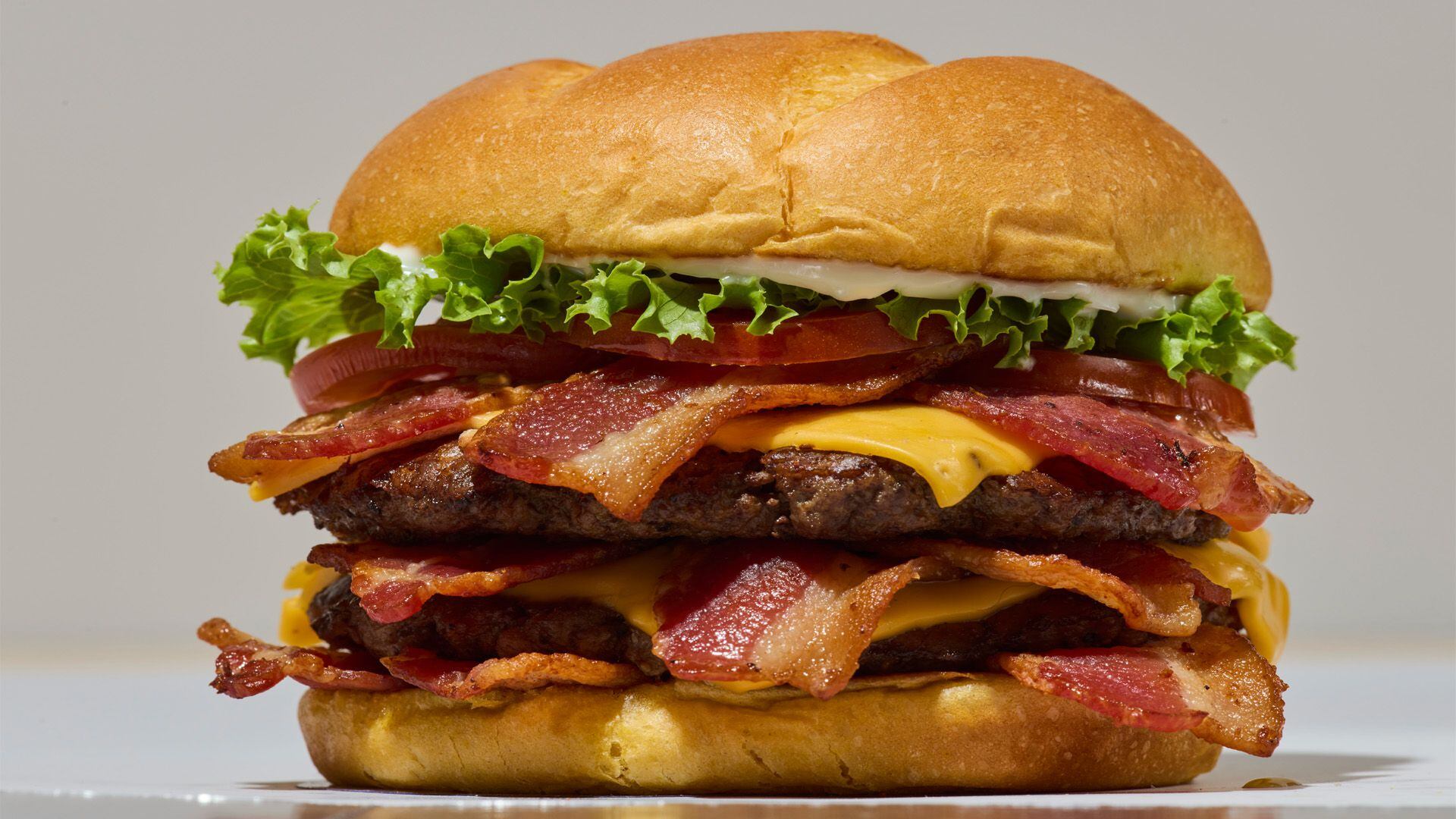
Smashburger CEO Denise Nelsen discusses how her time building the Starbucks brand gave her the tools to lead a Smashburger brand refresh, value wars, and more.
Charles Gillespie, Founder and CEO of Gambling.com Group comments on the billions of dollars in wagers placed on the outcome of the 2024 election and more.
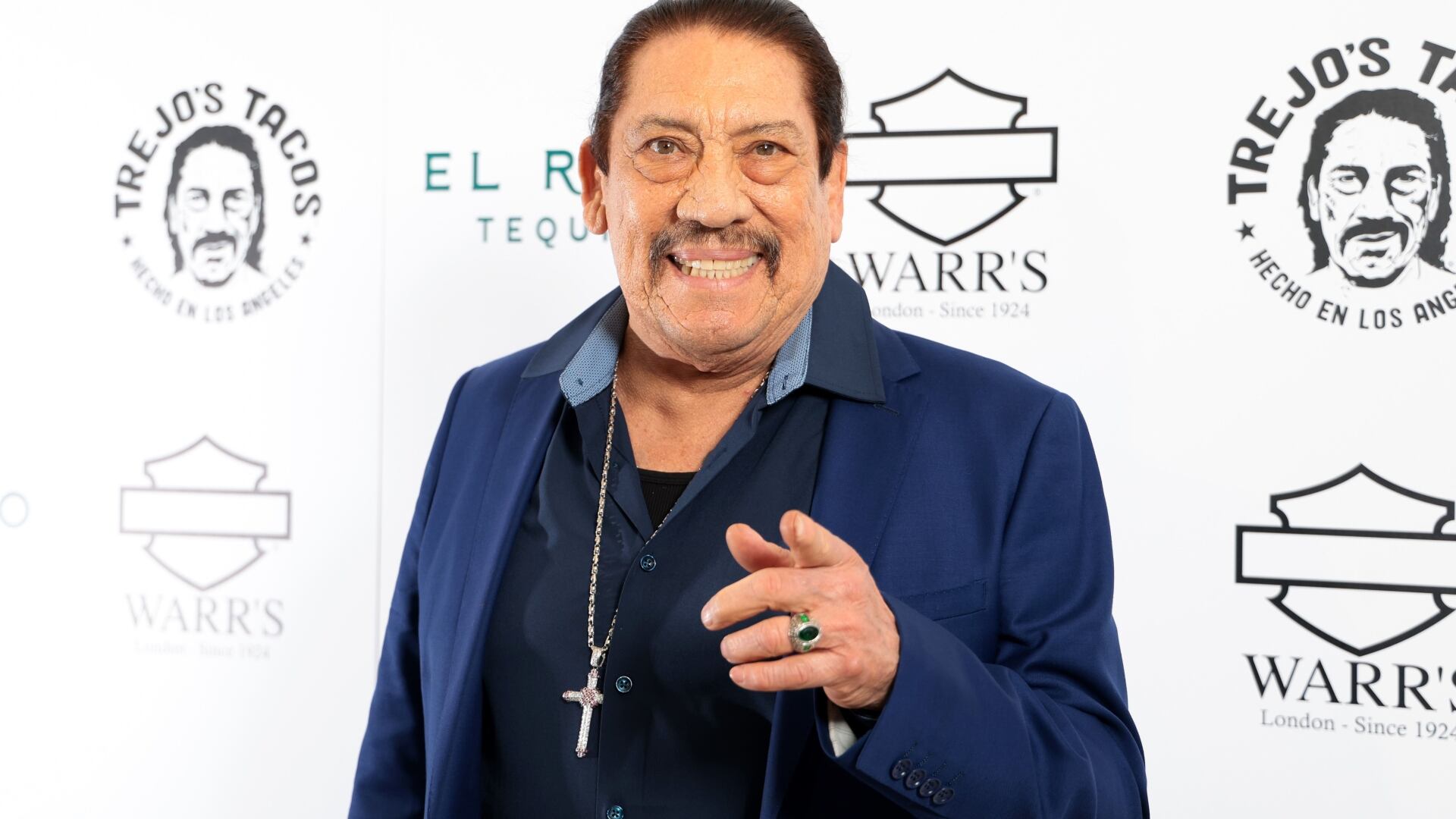
Danny Trejo joined Cheddar to discuss his upcoming show "Mysteries Unearthed" coming to the History Channel and his most recent entrepreneurial ventures.
His Royal Highness Prince Emanuele Filiberto Di Savoia, Prince of Venice, joined Cheddar to discuss his new game that lets everyday folks feel like a royal.
GJ Hart, CEO of Red Robin, discusses the company's place in the "value wars," what's next for the restaurant and his thoughts on Shake Shack in the sky. Watch!
Chiza Vitta, Managing Director Global Analytics at S&P Global Ratings joined Cheddar to discuss S&P's recent Megatrend findings and other 2025 predictions.
Greg O'Hara CEO at Certares joined Cheddar to discuss his personal experience with Wellness Tourism and his predictions for the future of the growing industry.