Cointracker Tries to Make Sense of Chaotic Cryptocurrency Portfolios
*By Jacqueline Corba*
Keeping track of all your coins, wallets, and exchanges across multiple platforms can be daunting for the savviest cryptocurrency investors. That's why the San Francisco based start-up Cointracker is trying to make cryptocurrency more accessible by consolidating information in a single interface.
"Instead of having to manually enter in every single transaction you've ever done one at a time, you can connect your exchange accounts or your wallets with read-only access," said the company's co-founder Chandan Lodha on Cheddar's Crypto Craze. "It's totally independent from what other companies have done."
The software tracks digital currency across the top 14 exchanges, including Binance, Coinbase, GDAX, and others.
Cointracker's tax management tool is one of the most popular features on the platform, Lodha said. The tool allows users to manage their investments in one place, and the app can export a completed IRS form to make it easier to submit for tax reports.
The company is a graduate of Y Combinator's winter session, and it recently announced that it raised $1.5 million in seed funding. Lodha said he plans to grow his engineering team to build new features. One of his goals is to enable users to trade cryptocurrency from his platform.
For full interview [click here](https://cheddar.com/videos/how-cointracker-looks-to-bring-crypto-to-the-masses).
Jeff Burnstein, President of the Association for Advancing Automation (A3), discusses humanoid robots, AI, smart manufacturing, and the future of U.S. industry.
Should kids be banned from social media? Nick Lichtenberg of Fortune breaks down the global push to restrict under-16 users and what it means for Big Tech.
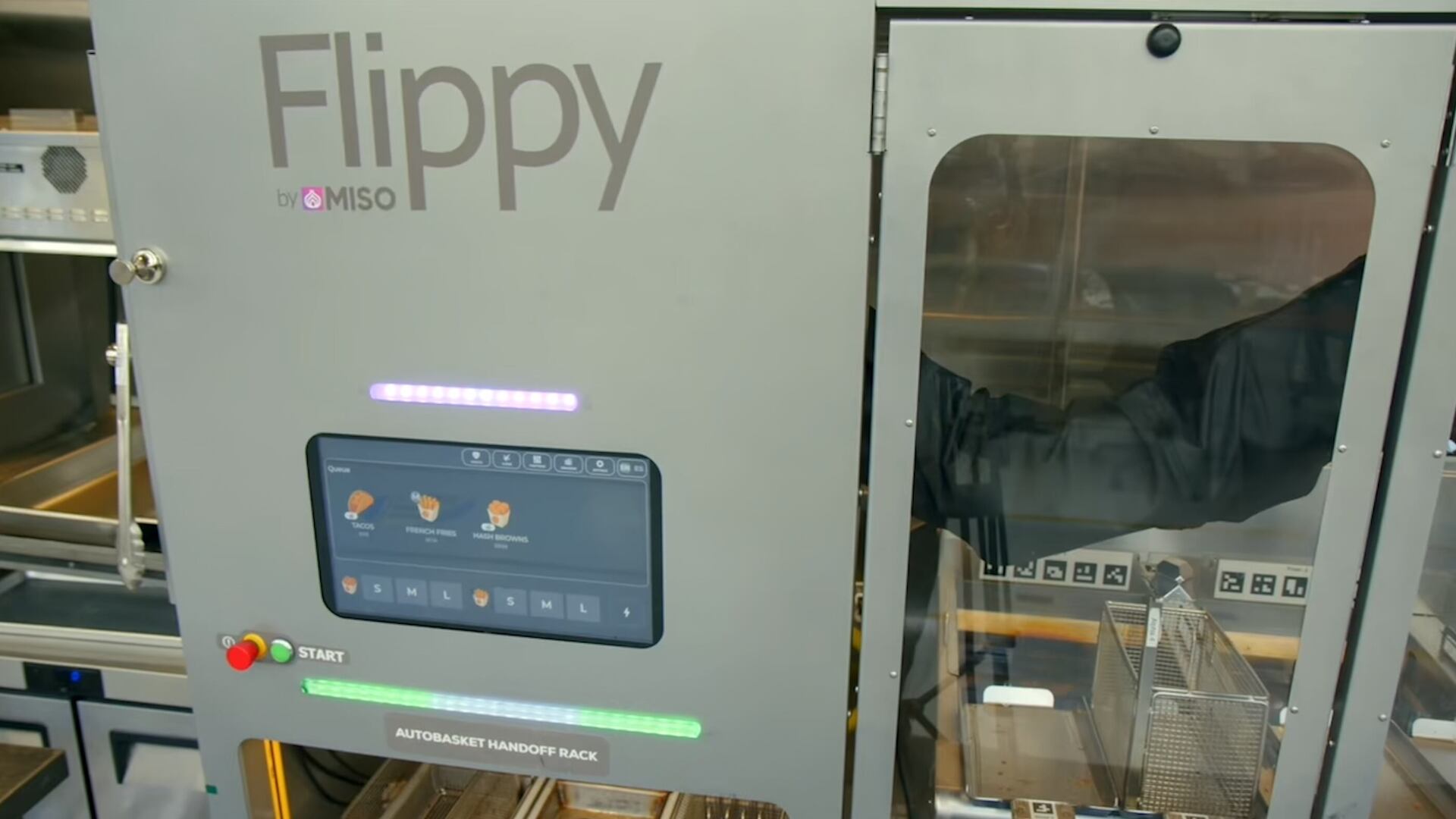
Miso Robotics CEO Rich Hull discusses Flippy Fry Station, the future of AI-powered restaurant automation and how acquiring Zume's IP could reshape food robotics
After two years of AI-fueled spending, Wall Street is asking what's next. Gil Luria breaks down monetization, valuations, winners, losers, and AI's future.
FIFA’s soccer World Cup promises to deliver $11.1 billion in spending and $30.5 billion economic impact for the U.S., but how much is it really helping?