Before ClassPass settled on the business model it employs today, the service went through many different phases.
Founder Payal Kadakia revealed to Cheddar how she had to change up her strategy a handful of times before finally finding success.
“The third iteration was the subscription, and that’s really when it took off...and became ClassPass,” Kadakia told Cheddar.
The self-proclaimed “mission-obsessed” founder reflected on how the service started as a search engine for fitness classes, but one that didn’t offer a value proposition for users. From there, she tested out a discovery model where users could try different classes around New York City. But she says learned a lot from each of these versions.
“Always question what you’re doing and keep iterating and pivoting until you get to that North Star,” Kadakia said.
ClassPass launched in 2011. The service includes access to around 8,500 studios and is available to consumers in 49 cities.
For full interview, [click here](https://cheddar.com/videos/the-inspiration-behind-classpass).
With thousands of layoffs in tech and beyond, how workers can keep their skills sharp, plus reasons to be hopeful when looking at the job market.
Taking a look at investment strategy as the new year gets into full swing.
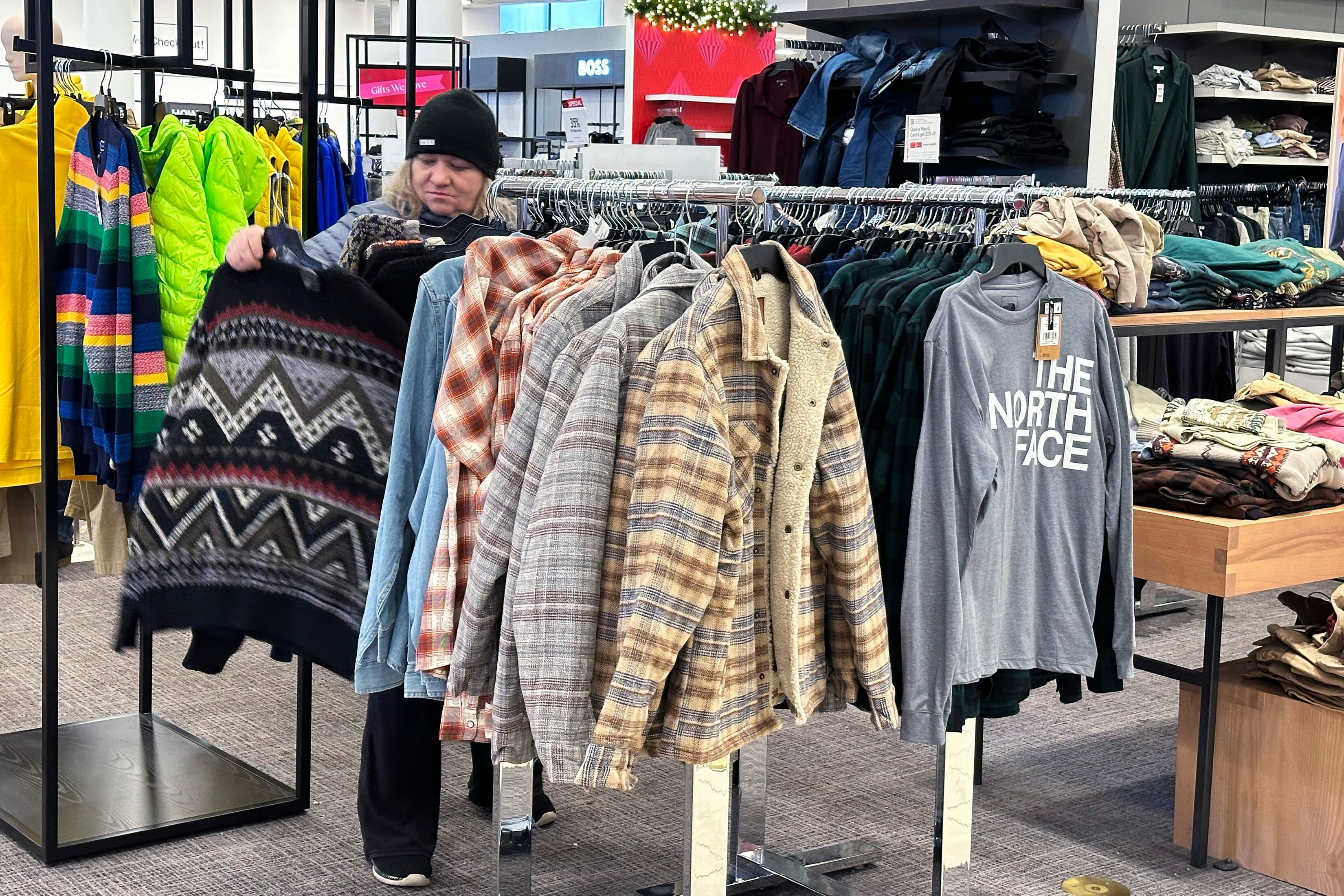
Americans stepped up their spending in December more than expected, closing out the holiday season and the year on an upbeat tone. The Commerce Department said retail sales rose 0.6% in December compared with a November’s 0.3% increase.
A New York architect charged in a string of slayings known as the Gilgo Beach killings was accused in a 25-year-old Connecticut woman's death.
Uber purchased Drizly in a cash-and-stock deal for $1.1 billion in 2021. The drink delivery app will shut down in March, according to Uber.
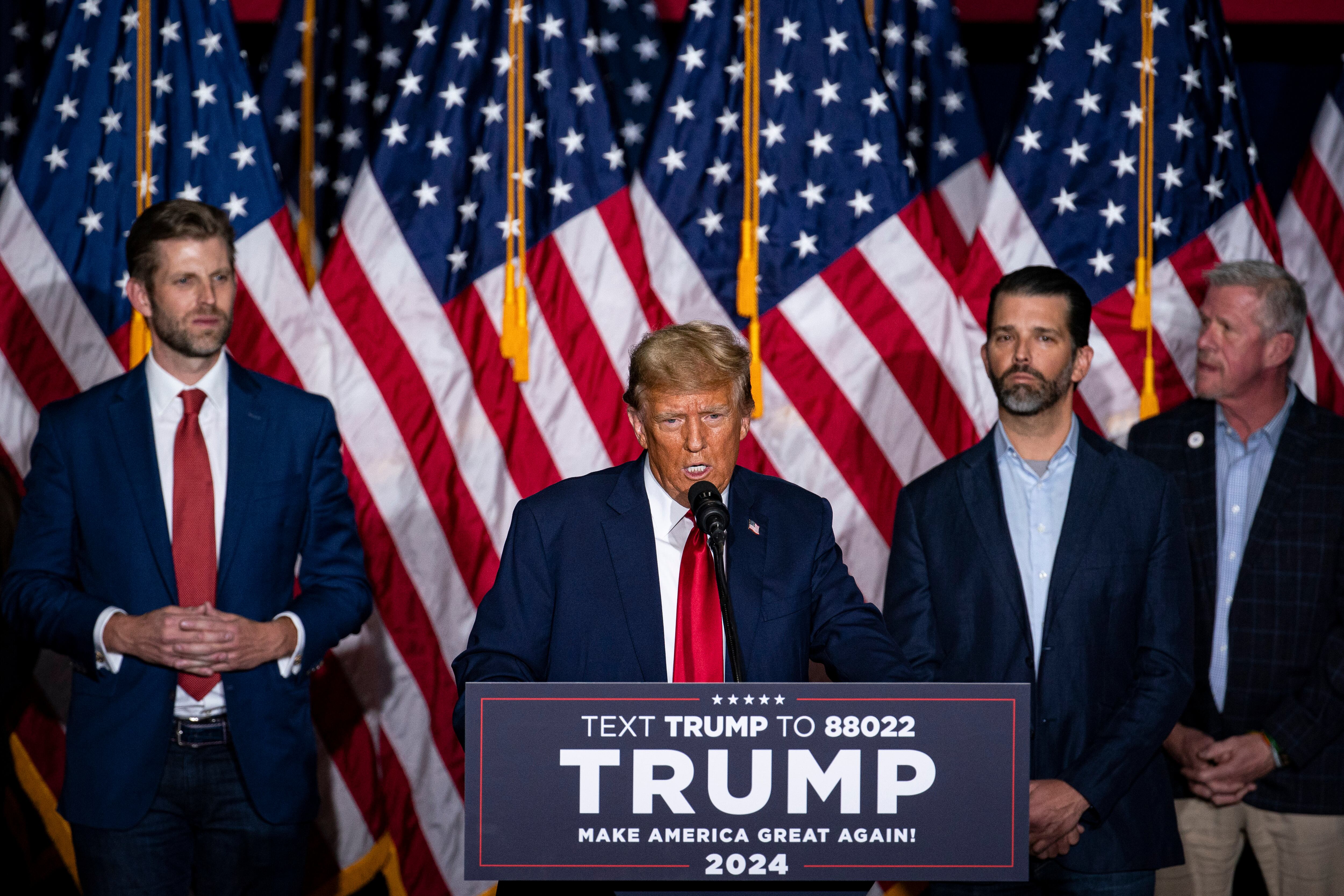
After Donald Trump's victory at the Iowa caucus, Nikki Haley and DeSantis continue their campaigns as New Hampshire's primary looms.
Christine Short, VP of Research at Wall Street Horizon, shares insights on small and big banks earnings, a fresh round of layoffs in the tech world, and what to expect from upcoming rate decisions.
More executives are feeling better about the global economy. But a growing number don’t think their companies will survive the coming decade without a major overhaul because of pressure from climate change and technology like artificial intelligence.
The International Olympic Committee has signed the first beer brand in the 40-year history of a sponsorship program that earns billions of dollars for the organization and international sports.
The latest calculations from several science agencies showing Earth obliterated global heat records last year may seem scary. But scientists worry that what’s behind those numbers could be even worse.