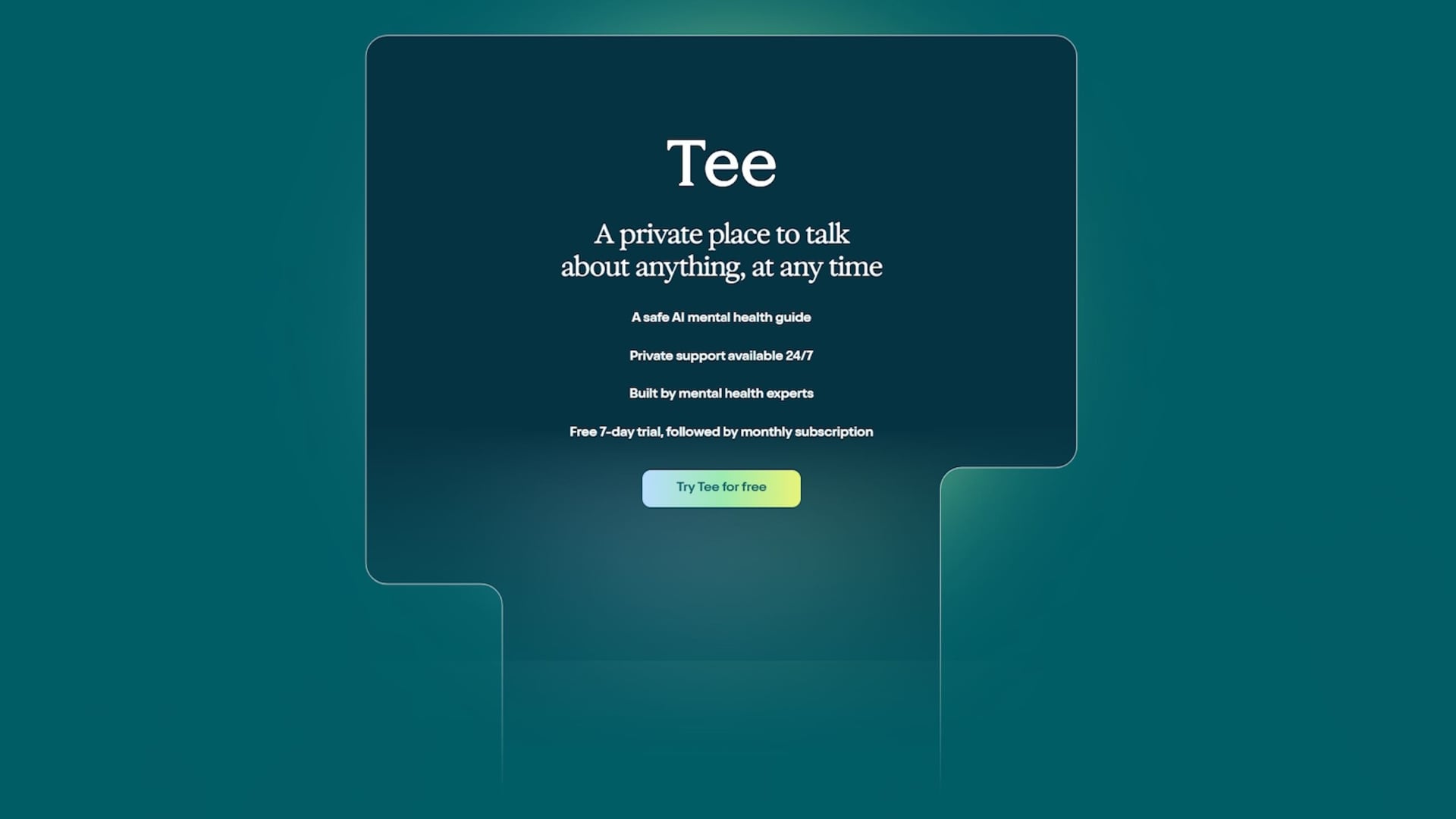
Cerebral, a startup hoping to close a healthcare gap by providing online consultations and prescriptions for mental health issues, is betting users are open to ordering medicine for anxiety, depression and insomnia through the mail.
Co-Founder and CEO Kyle Robertson told Cheddar the company connects users with a doctor via web video who is authorized to write a prescription. Later, the patient will be matched with a care manager for ongoing consultations. Cerebral, which launched last week, sends medicine to users in “discreet,” branded packaging, he said.
The company hopes to make treatments more widely available to individuals for $92 per month, which pays for a video consultation with a physician, medication via mail, and monthly check-ins with a care manager.
Those care managers act as facilitators for medication management, Robertson said. “They help flag if medication or dosage adjustments are needed and work very closely with that prescribing provider.”
Care managers provide “psycho-social support,” he said. They call users monthly and help provide services outside of medication to supplement treatment, such as meditation, mindfulness and exercise, he said. “It’s comprehensive treatment.”
Robertson co-founded the company with Ho Anh, who used to be a doctor for Hims, the startup creating products for men’s sexual health, hair loss and skin care.
The company takes liability seriously, says Robertson, as “we are treating clients’ mental health and that’s an incredibly important thing,” but “in terms of liability there is a prescriber-client relationship, so, ultimately, that is what it comes down to.”
He said the company does not provide medications like Benzodiazepines or stimulants that may be addictive and instead focuses on “non addictive” medications like beta-blockers, SSRIs and SNRIs.
“The model we built is really catered toward making sure we are being really responsible for the clients we are taking on,” he said.
Orangetheory Fitness is redefining the future of workouts with smarter tech, strength-based programming, and community-driven studios built for what’s next.
Spain's government has fined Airbnb 64 million euros or $75 million for advertising unlicensed tourist rentals. The consumer rights ministry announced the fine on Monday. The ministry stated that many listings lacked proper license numbers or included incorrect information. The move is part of Spain's ongoing efforts to regulate short-term rental companies amid a housing affordability crisis especially in popular urban areas. The ministry ordered Airbnb in May to remove around 65,000 listings for similar violations. The government's consumer rights minister emphasized the impact on families struggling with housing. Airbnb said it plans to challenge the fine in court.
Roomba maker iRobot has filed for Chapter 11 bankruptcy protection, but says that it doesn’t expect any disruptions to devices as the more than 30-year-old company is taken private under a restructuring process. iRobot said that it is being acquired by Picea through a court-supervised process. Picea is the company's primary contract manufacturer. The Bedford, Massachusetts-based anticipates completing the prepackaged chapter 11 process by February.
Serbia’s prosecutor for organized crime has charged a government minister and three others with abuse of position and falsifying of documents related to a luxury real estate project linked to U.S. President Donald Trump’s son-in-law Jared Kushner. The charges came on Monday. The investigation centers on a controversy over a a bombed-out military complex in central Belgrade that was a protected cultural heritage zone but that is facing redevelopment as a luxury compound by a company linked to Kushner. The $500 million proposal to build a high-rise hotel, offices and shops at the site has met fierce opposition from experts at home and abroad. Selakovic and others allegedly illegally lifted the protection status for the site by falsifying documentation.
Wealthfront’s CFO Alan Iberman talks the $2.05B IPO and the major moment for robo banking as the company bets on AI, automation, and “self-driving money."