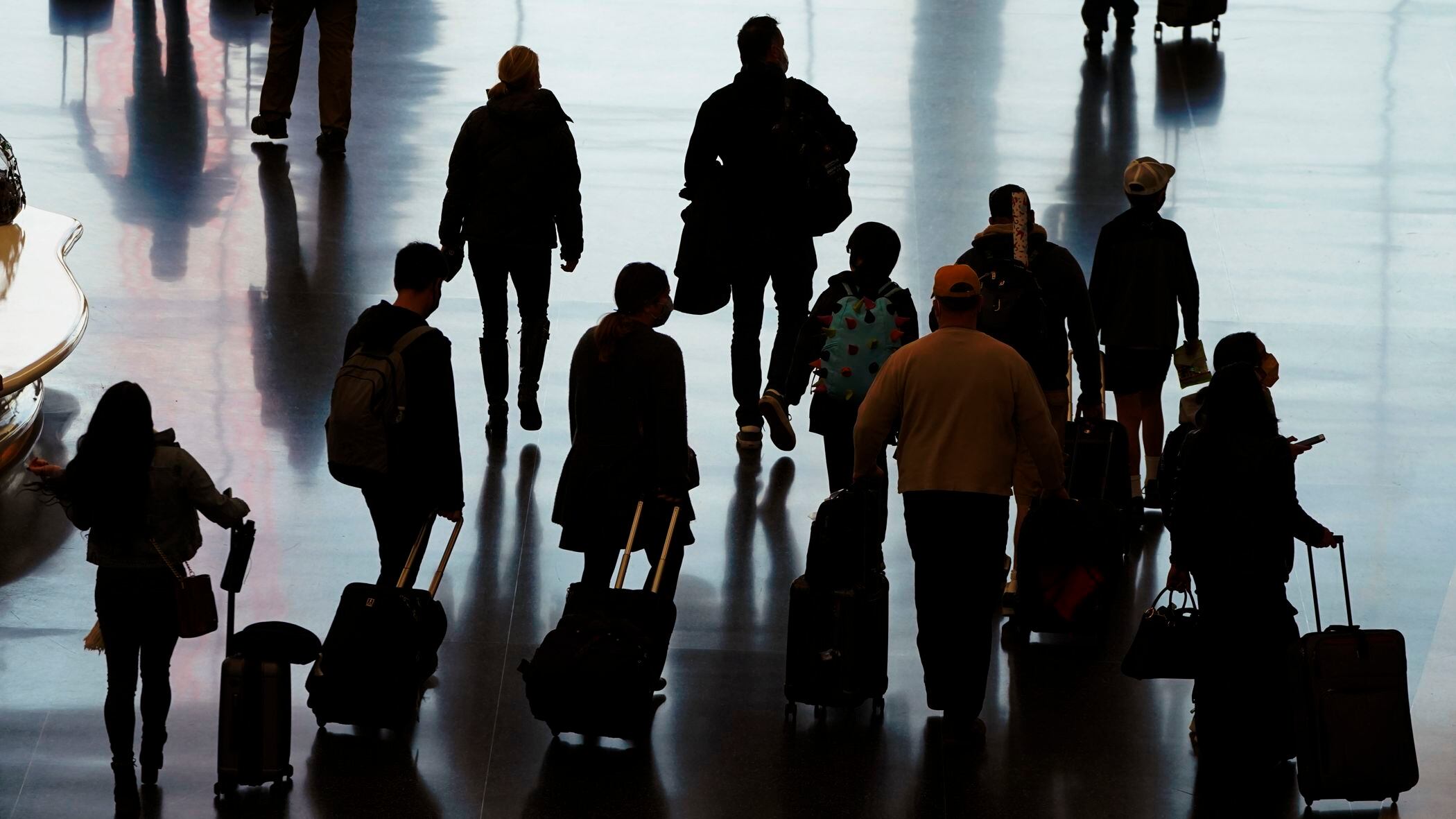
In this Wednesday, Nov. 25, 2020 file photo, travelers walk through the Salt Lake City International Airport in Salt Lake City, a day before Thanksgiving. On Wednesday, Dec. 2, 2020, the U.S. Centers for Disease Control and Prevention are urging Americans to stay home over the upcoming holiday season and consider getting tested before and after if they do decide to travel. (AP Photo/Rick Bowmer)
By Lindsey Tanner
Don’t travel over the upcoming holidays. But if you must, consider getting coronavirus tests before and after, U.S. health officials urged Wednesday.
The agency also announced new guidelines that shorten recommended quarantines after close contact with someone infected with coronavirus. The agency said the risk in a shorter quarantine is small, but that the change makes following the guidance less of a hardship.
The no-travel advice echoes recommendations for Thanksgiving but many Americans ignored it. With COVID-19 continuing to surge, the CDC added the testing option.
“Cases are rising, hospitalizations are increasing, deaths are increasing. We need to try to bend the curve, stop this exponential increase,” the CDC's Dr. Henry Walke said during a briefing.
He said any travel-related surge in cases from travel would likely be apparent about a week to 10 days after Thanksgiving.
The virus has infected more than 13.5 million Americans and killed at least 270,000 since January.
“The safest thing to do is to postpone holiday travel and stay home," said Dr. Cindy Friedman, another CDC official. "Travel volume was high over Thanksgiving,'' and even if small numbers were infected, that could result in ’’hundreds of thousands of new infections.”
‘’Travel is a door-to-door experience that can spread the virus during the journey and also into communities that travelers visit or live," she added.
For those who decide to travel, COVID-19 tests should be considered one to three days before the trip and again three to five days afterward, the CDC said. The agency also recommended travelers reduce non-essential activities for a full week after they return or for 10 days if not tested afterward. And it emphasized the importance of continuing to follow precautions including masks, social distancing, and frequent hand-washing.
The revised quarantine guidance says people who have been in contact with someone infected with the virus can resume normal activity after 10 days, or seven days if they receive a negative test result. That’s down from the 14-day period recommended since the pandemic began.
The change is based on extensive modeling by CDC and others, said the agency's Dr. John Brooks..
The Social Security Administration’s acting commissioner has stepped down from her role at the agency over Department of Government Efficiency requests.
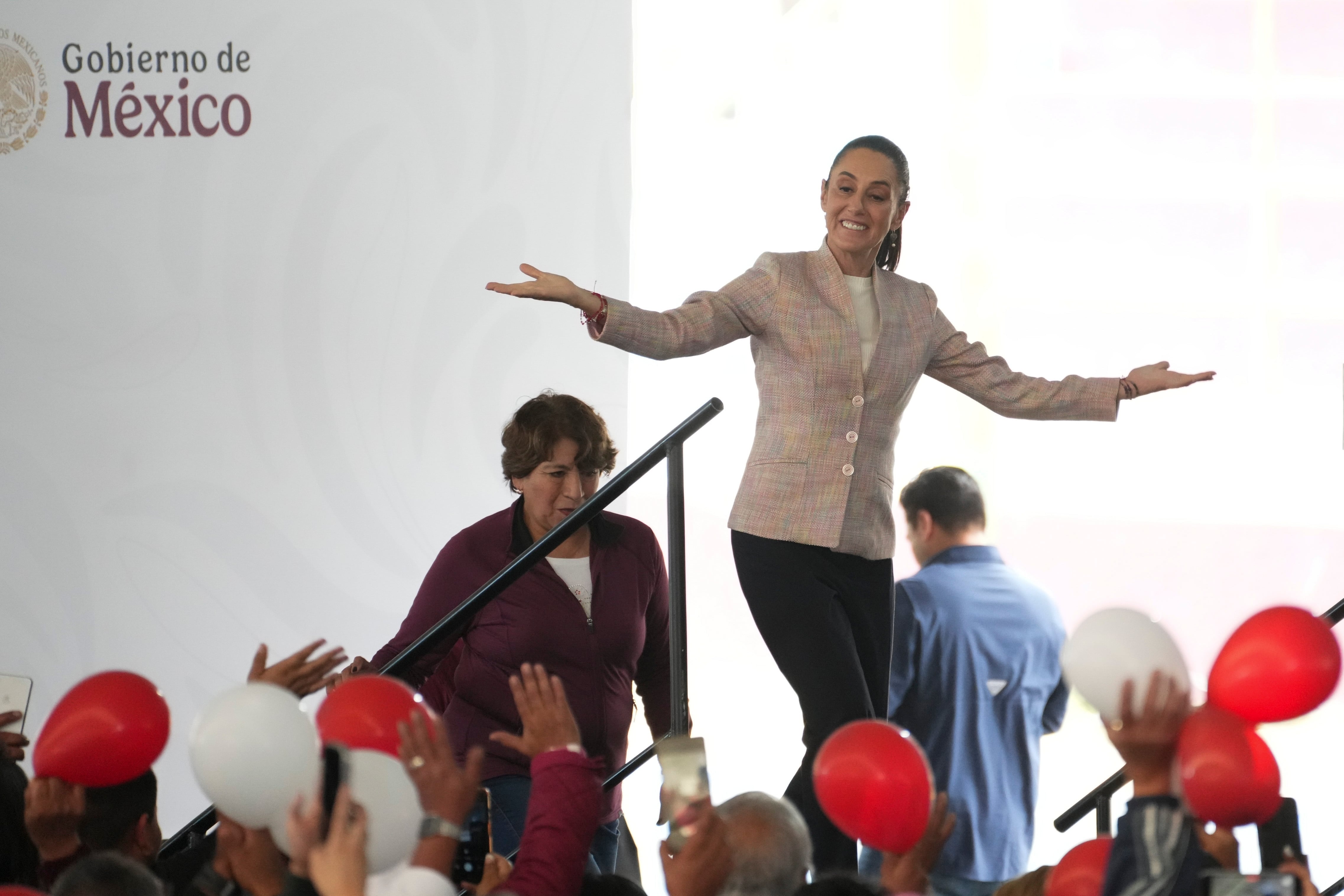
Mexican President Claudia Sheinbaum says her government is not ruling out filing a civil lawsuit against Google if it maintains its stance of calling the stretch of sea between northeastern Mexico and the southeastern United States the “Gulf of America.” Sheinbaum, in her morning press conference on Thursday, said the president’s decree to change the name of the Gulf of Mexico is restricted to the “continental shelf of the United States” because Mexico still controls much of the body of water. “We have sovereignty over our continental shelf,” she said.
U.S. tariffs on steel and aluminum “will not go unanswered,” European Union chief Ursula von der Leyen vowed on Tuesday, adding that they will trigger toug
President Donald Trump is hitting foreign steel and aluminum with a 25% tax. If that sounds familiar, it’s because he did pretty much the same thing during
President Donald Trump has ordered the U.S. to stop minting pennies. His surprise announcement comes after decades of unsuccessful efforts to phase out the 1-cent coin. Advocates for ditching the penny cite its high production cost and limited utility. Fans of the penny cite its usefulness in charity drives and relative bargain in production costs compared with the nickel. Here's a look at some question surrounding Trump's order.
The Trump administration has ordered the Consumer Financial Protection Bureau to stop nearly all its work, effectively shutting down the agency that was created to protect consumers after the 2008 financial crisis and subprime mortgage-lending scandal. Russell Vought is the newly installed director of the Office of Management and Budget. Vought directed the CFPB in a Saturday night email to stop work on proposed rules, to suspend the effective dates on any rules that were finalized but not yet effective, and to stop investigative work and not begin any new investigations. The agency has been a target of conservatives since President Barack Obama created it following the 2007-2008 financial crisis.
Brian Bennett, Senior White House correspondent at TIME, discusses Musk's relationship to Donald Trump and how he has such access in the federal government.