Apple Admits to Slowing Phones and the End of Wearables?
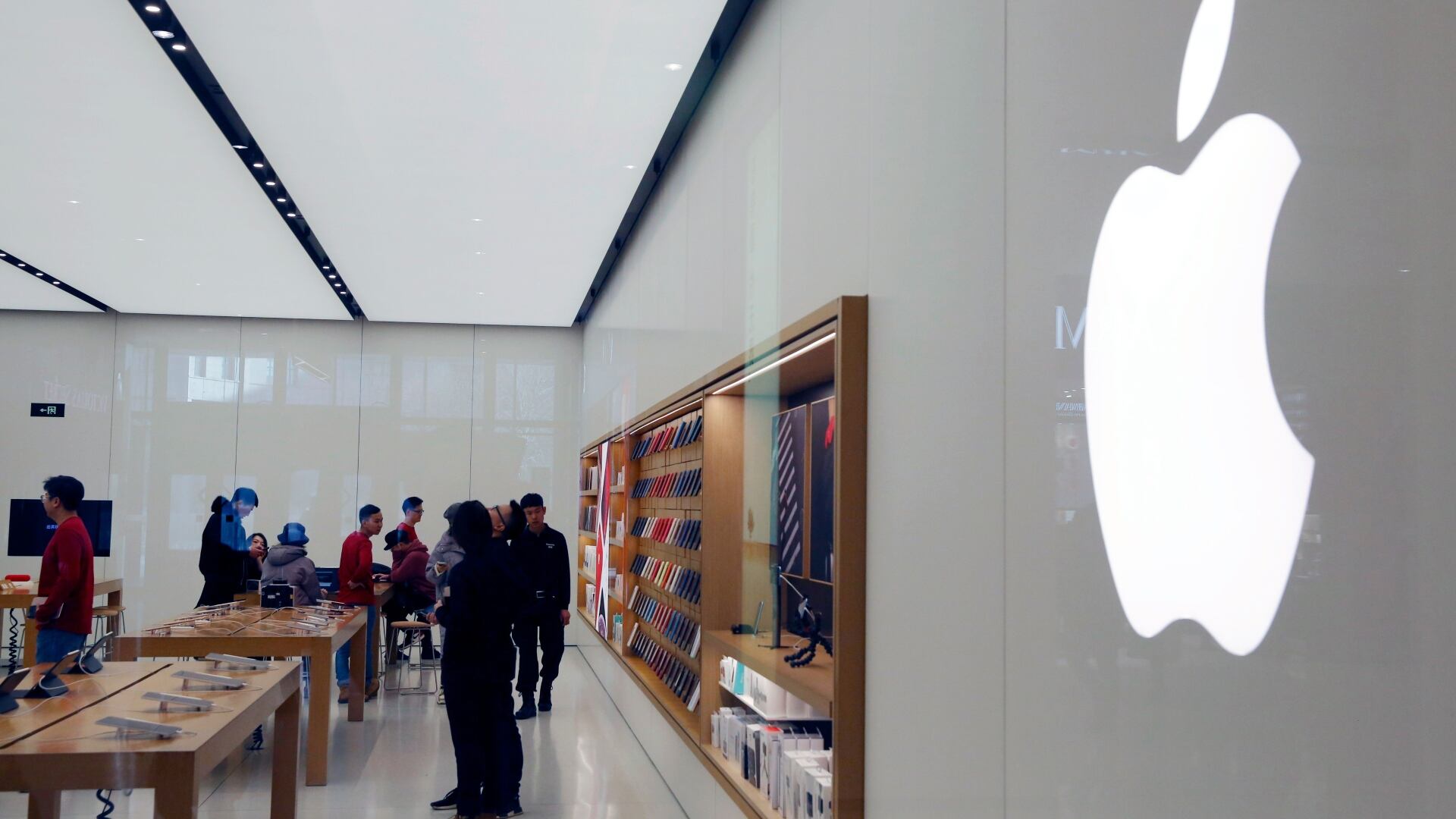
A rare admission from Apple, as the tech giant admits to slowing down old phones to prevent battery burnout. The company says the software is meant to keep iPhone 6s and 7s from unexpectedly shutting down because the processor has burnt out. But skeptics wonder if the company is trying to force users to upgrade to newer, more expensive phones.
And a new report from eMarketer predicts usage of wearables will slow next year, with smartwatch user growth dropping to less than 6 percent by 2021.
Wealthy individuals and industry leaders are driving soaring sports team valuations, fueled by private equity and growing interest in leagues like the WNBA.
The incoming Fed decision will likely be good news for consumers with high-yield saving options, but bad news for borrowers (like anyone with high credit debt).
Empower your financial future with 'Investing Is Your Superpower' by Shinobu Hindert. Learn how to take control of your finances. No economics degree required
Inflation is still high, and economic activity is starting to slow down. But before you start to panic about stagflation, wait to see this week’s jobs report.