U.S. markets had a strong open Monday morning on President Trump's announcement that U.S. and Chinese officials are willing to continue talks in an effort to de-escalate mounting trade tensions.
Speaking from the G7 summit in Biarritz, France, Trump said that Chinese negotiators had called U.S. officials and requested a new round of talks. "We'll be getting back to the table. And I think they want to do something," he said. "This is a very positive development for the world."
China's Foreign Ministry spokesperson Geng Shuang, however, said at a press conference Monday that he was not aware of any calls, but that the trade feud should be solved "through dialogue and consultation."
Meanwhile, Chinese Vice Premier Liu He said at an economics conference in Chongqing that China favored "calm negotiations" to resolve trade tension. "We resolutely oppose the escalation of the trade war, which is not beneficial for the U.S. or China. It is also not beneficial to the world," Liu said, according to multiple reports citing government transcripts.
By midday, the Dow was up more than 250 points, while the S&P 500 and Nasdaq Composite were up more than one percent. Yet the news came too late for Asian markets, which had plummeted by close Monday local time.
The Hang Seng Index in Hong Kong and the Shanghai Composite Index ended the day down 1.91 percent and 1.17 percent respectively. The Nikkei in Tokyo closed down 2.17 percent and South Korea's Kospi Index fell 1.6 percent.
On Monday, Trump also repeatedly lauded Chinese President Xi Jinping as a "great leader" and a "brilliant man" — a far cry from the "enemy" characterization that Trump gave Xi last week.
The enduring trade dispute between the U.S. and China, which has both ebbed and surged in recent months, significantly escalated last week. China announced on Friday that it would hit $75 billion worth of U.S. goods with new retaliatory tariffs and proceed with a steep tariff levied on U.S. vehicles and car parts.
In response, Trump announced that the U.S. would hike its 25 percent tariff on $250 billion worth of Chinese imports to 30 percent, and increase the forthcoming 10 percent tariff on $300 billion worth of goods to 15 percent. Friday's culmination sent U.S. stocks into a nosedive and led to an outcry from industry against the escalation.
Trump added he was confident that Liu's remarks on calm negotiations were sincere and were not a bid to quell market woes. "I think they want to make a deal. I think they should make a deal, and I think if they don't make a deal it will be very bad for China," he said during a press conference with President Emmanuel Macron of France.
At a separate event, Treasury Secretary Steven Mnuchin said Liu's remarks were "very significant statements" and that the U.S. was communicating with the vice premier, who is China's chief negotiator, through intermediaries.
China, nonetheless, urged the U.S. on Monday not to "miscalculate the situation" and to cease its "erroneous ways."
"China firmly opposes and rejects such stark trade bullying and maximum pressuring tactics," Shuang said. "I would like to remind the U.S. once again that threats and intimidation will never work on China."
In response to a question on the trade uncertainty fueling market volatility, Trump said "Sorry, it's the way I negotiate ... and it has done very well for me over the years."
The United Nations Secretary-General said this year that his agency's warning about climate change was a 'code red for humanity.' So how will political pledges to lower emissions, increase green energy, and ramp up electric vehicle infrastructure play out, and can we reverse some climate damage next year? Vijay Vaitheeswaran, Global energy & climate innovation editor for The Economist, and host of 'To a Lesser Degree,' The Economist’s podcast on climate change, joins Cheddar Climate to discuss what we can look ahead to in 2022, including global policy shifts and investments from the private and public sectors, holding global leaders accountable, and more.
In recent years, extreme weather events like flooding and wildfires have become more frequent, and more severe - and scientists say global warming is to blame. Climate crises could leave people in need of help, and that's where Global Rescue steps in. The crisis response firm employs former Navy Seals and Army Rangers to rescue travelers from climate-related emergencies. Global Rescue CEO Dan Richards joins Cheddar Climate to discuss.
Cloud-based AI-powered writing assistant Grammarly recently raised $200 million in a funding round that values the company at $13 billion. The funding will be used to help Grammarly achieve its goal of becoming more ubiquitous, as the company says it wants to be the go-to writing assistant for wherever people type. Grammarly also says it aims to solve what it calls one of the most critical problems facing people and businesses today -- ineffective communication. Grammarly global head of product Rahul Roy-Chowdhury joins Cheddar News' Closing Bell to discuss.
The Competition and Markets Authority in the UK moved to block Facebook parent company Meta from acquiring the image sharing platform Giphy after saying advertisers and consumers would be adversely impacted. Hatem Dhiab, managing partner at Gerber Kawasaki Wealth & Investment, joined Cheddar to break down the decision and noted that the CMA's order could also halt other big tech firms from making similar purchases in the future. "I think this is going to be true for Facebook, it's going to happen for other big tech companies — Amazon, perhaps Google, so it's interesting that the UK is starting this wave," he said.
Jennifer Lotito, president and COO at the non-profit (RED), joined Cheddar to discuss the CODE (RED) campaign as the organization looks to expand its mission to support both AIDS and COVID-19 relief. She explained that people can get involved in the campaign for Giving Tuesday and ahead of World AIDS Day by shopping (RED) branded products and even using credit card rewards points to add their own support. Lotito also pointed out that COVID-19 has also impacted HIV testing as people avoid clinics out of fear of the other pandemic.
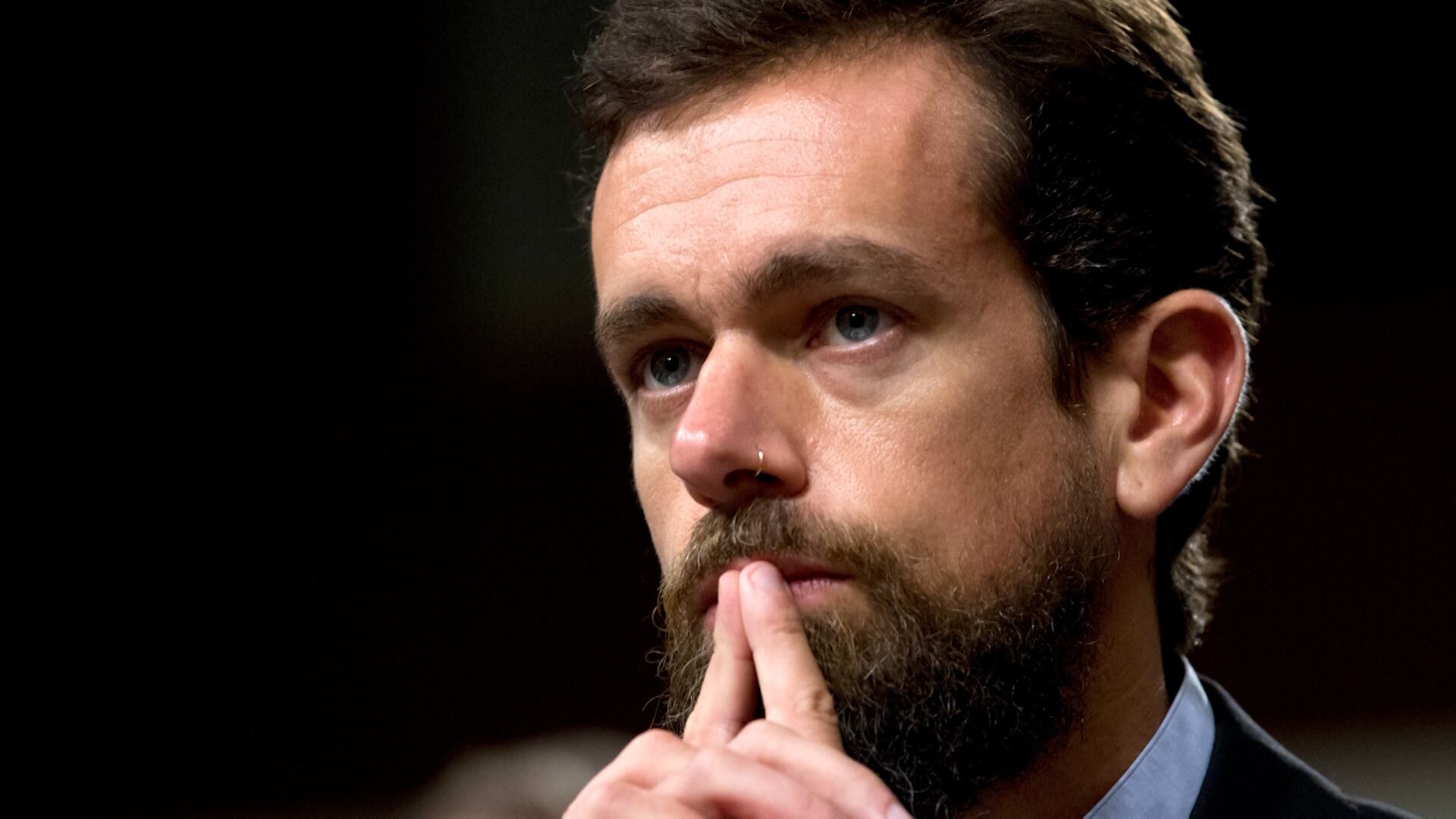
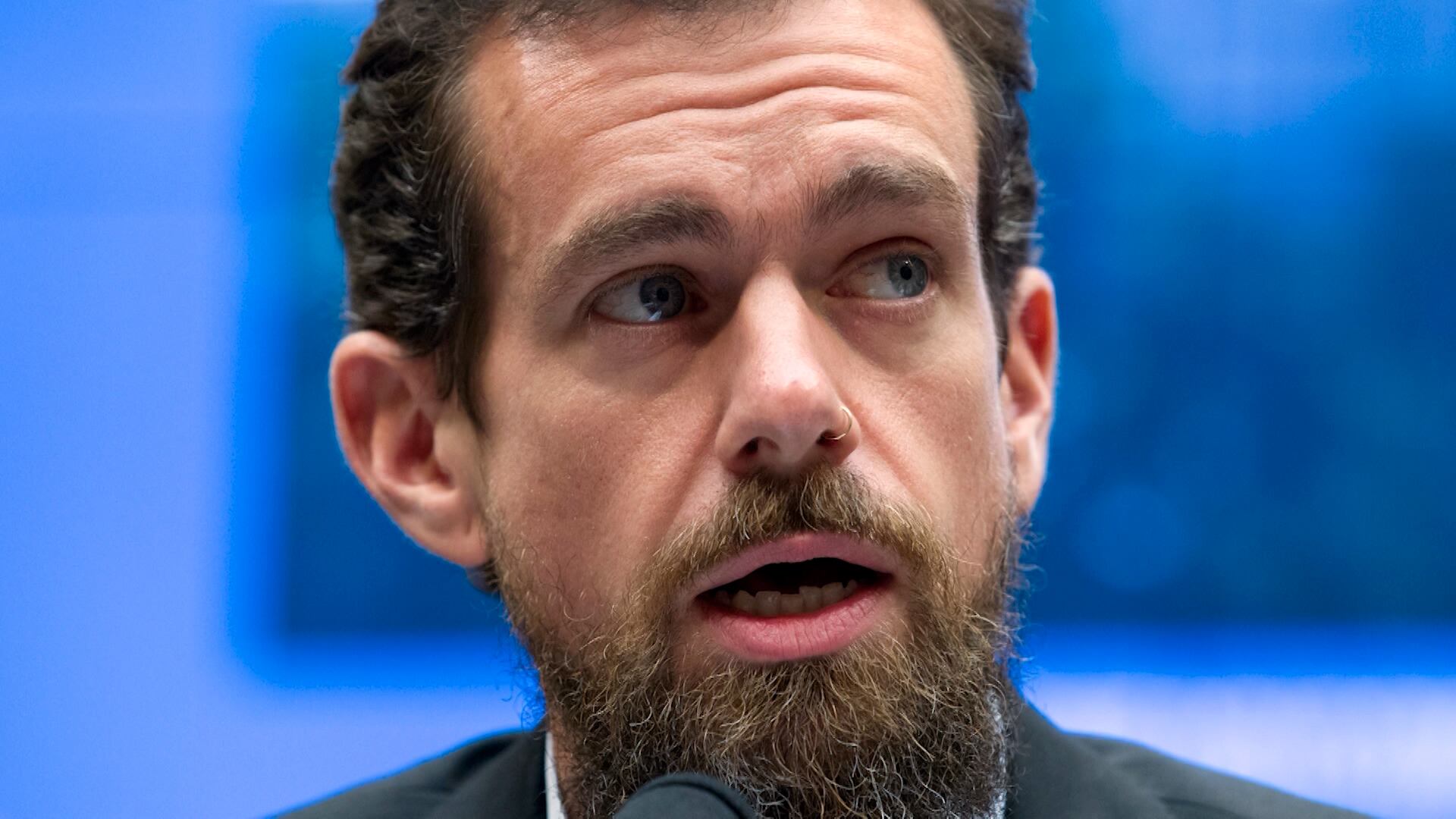
Jack Dorsey has officially stepped down as CEO of Twitter.
In a statement -- he says he is leaving because the company is ready to move on from its founders. Tom Morton, Global Chief Strategy Officer, R/GA joined Cheddar's Opening Bell to discuss the implications of the move.
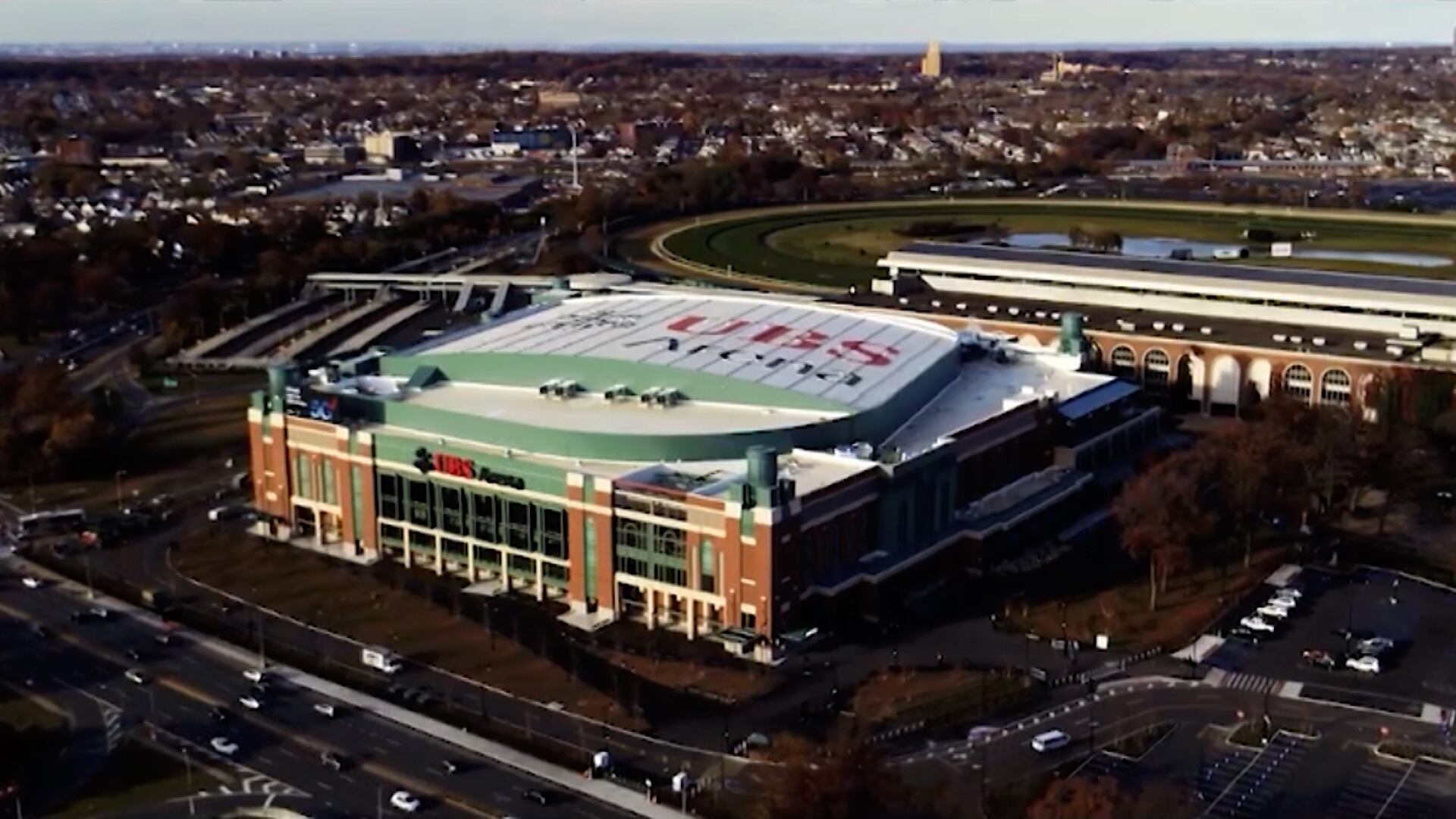
After a nearly 30-year saga, the New York Islanders have officially found a new home. The NHL team kicked off their very first game at the state of the art UBS arena earlier this month, bringing fans together in Belmont Park, NY.
The over $1 billion dollar project comes as the city attempts to return to normalcy. Tom Naratil, President of the Americas at UBS and Jon Ledecky Co-Owner of the New York Islanders joined Cheddar's Opening Bell to discuss the new beginning.
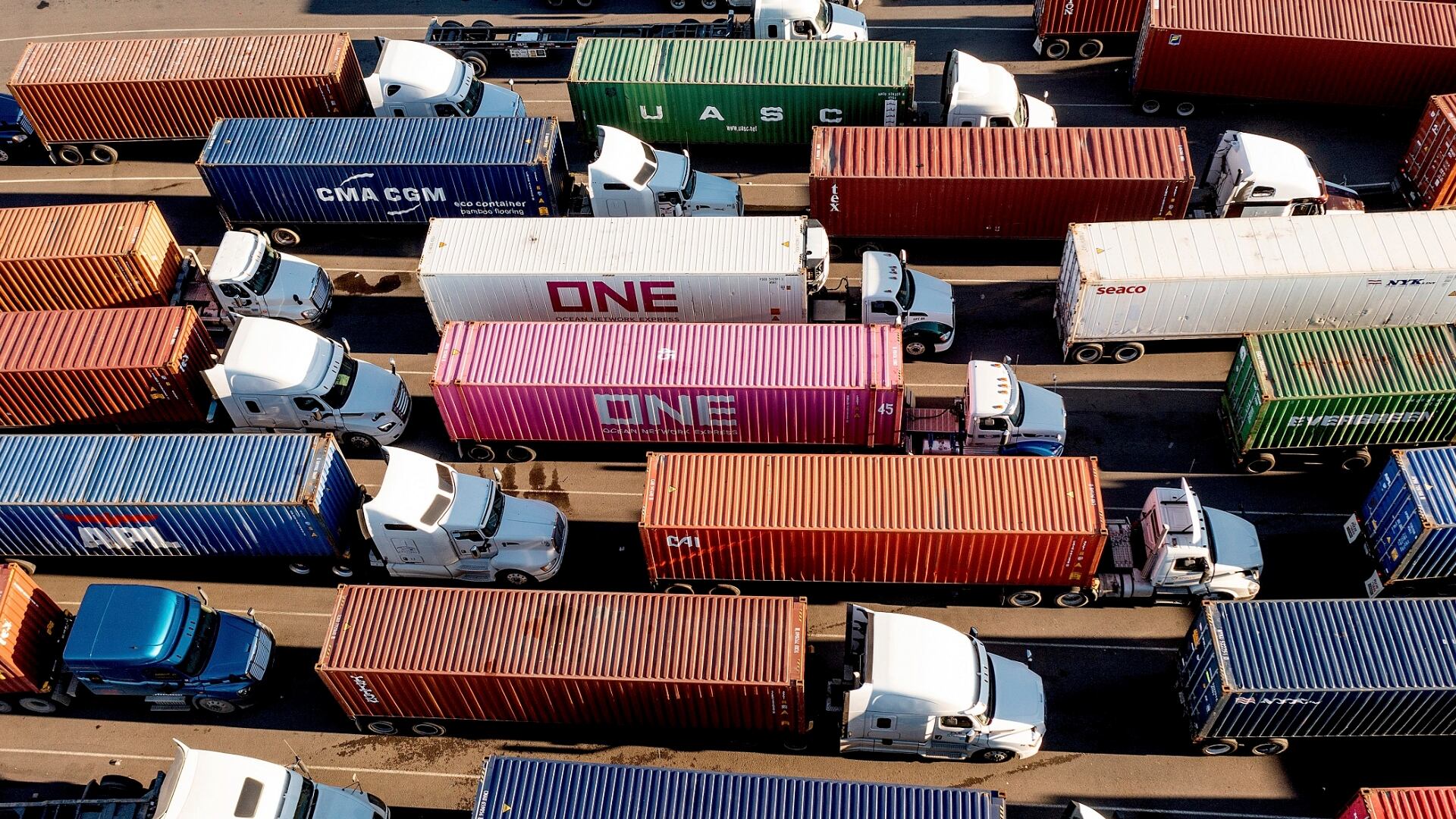
Walmart CEO Dough McMillon praised the Biden administration's efforts to ease supply chain constraints after the company saw a 26 percent jump in shipments over the last month. President Joe Biden had announced back in October that California ports would operate on a 24/7 basis.
Mike Proulx, VP and research director at Forrester, joined Cheddar to talk about what Jack Dorsey's departure from Twitter as CEO means for the social media platform. He noted that while Dorsey had been the face of the company, "he's been a part-time CEO" since also taking on the leadership position at Square. Stepping down from leading Twitter allows his replacement Parag Agrawal, the former CTO, to be a dedicated leader of the company. However, Proulx noted that Agrawal faces headwinds on policy and political ramifications that will come with the job.