Adam Spiker Talks Cannabis Regulations in California
Adam Spiker is executive director of the Southern California Coalition, which is an organization dedicated to helping organizations, advocacy groups, and businesses coalition build and understand the cannabis industry.
Spiker sits down with Alyssa Julya Smith in Los Angeles to talk about how to implement responsible policies in Los Angeles, the state of California, and at the federal level. He explains that the city of Los Angeles is the biggest cannabis market in the world, but has been slow to roll out licenses across the city.
Spiker also discusses the need for more resources to go through all the applications, both for distributors and cultivators who are trying to legally expand their business. Spiker also emphasizes that he believes the state will do everything in their power to protect business from the threat of federal regulations and roadblocks.
Eddie Ghabour, co-founder and owner of KEY Advisors Wealth Management, explains why he’s investing in India, what could happen if inflation rises again, and the long-term ‘debt bubble’ looming.
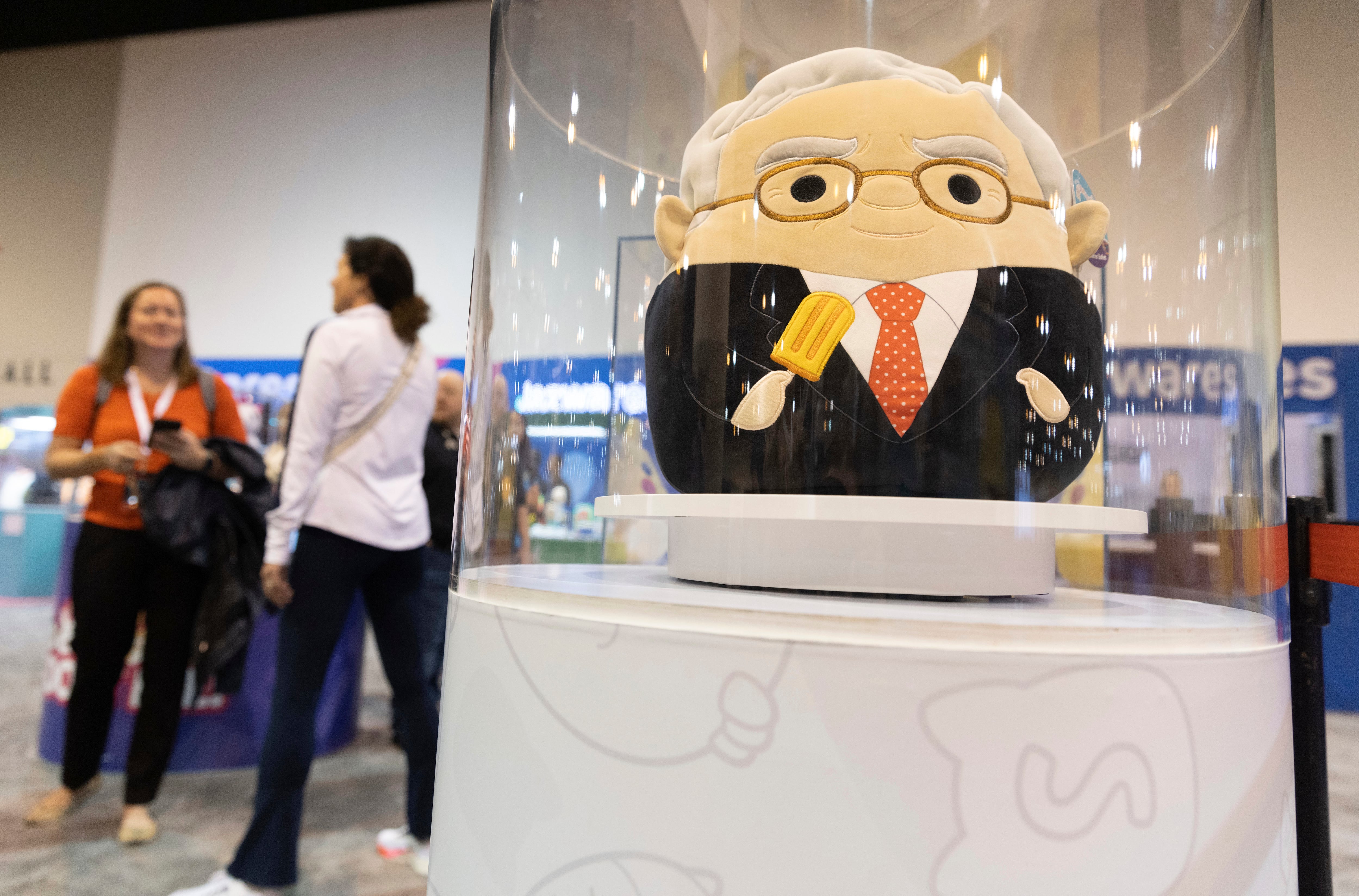
The company behind Squishmallows says Build-A-Bear's new Skoosherz toys are a copy of their own plushies. Build-A-Bear filed their own suit basically responding, "No they're not!"
While tech employees worry about artificial intelligence taking over their jobs, Microsoft says Iran, North Korea, and more U.S. adversaries are beginning to use AI in cyber spying.
The self-proclaimed "only Post who worked at Kellogg" was a military veteran who fought in World War II before inventing everyone’s favorite fruit-filled breakfast ravioli.
Kevin Gordon, Senior Investment Research Manager at Charles Schwab, shares his thoughts on how investors can take advantage of the current bull market while keeping in mind the impacts of Fed policy and inflation.
Lab-created diamonds come with sparkling claims: that they are ethically made by machines running on renewable energy. But many don't live up to these claims or don't respond to questions about their electricity sources, and lab diamonds require a lot of electricity.
Geoff Freeman, president and CEO of the U.S. Travel association, explains why other nations are outcompeting the U.S., and the innovations that would put American back on top.