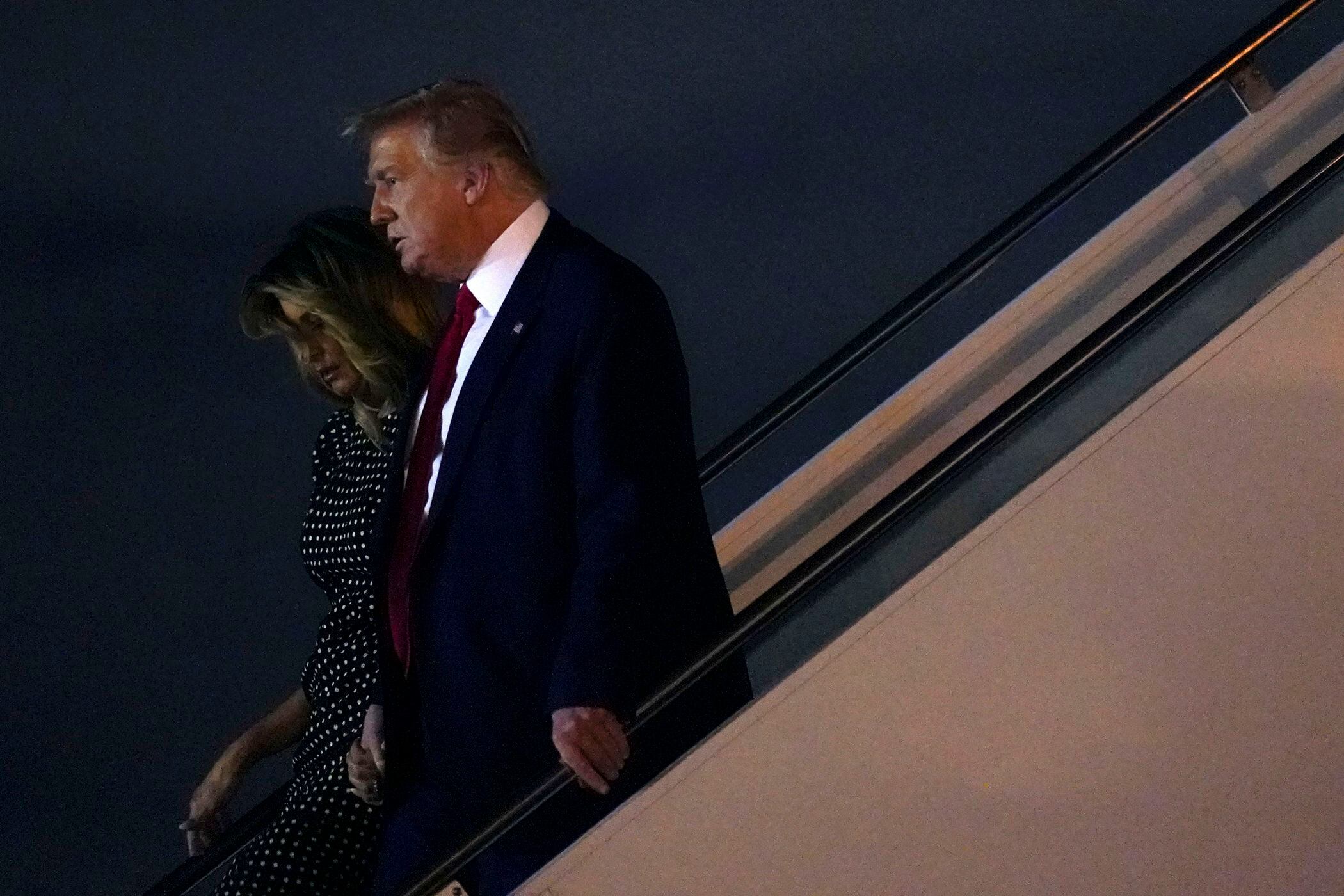
President Donald Trump and first lady Melania Trump step off Air Force One at Palm Beach International Airport, Wednesday, Dec. 23, 2020, in Palm Beach, Fla. Trump is visiting his Mar-a-Lago resort. (AP Photo/Patrick Semansky)
From Wall Street to Silicon Valley, these are the top stories that moved markets and had investors, business leaders, and entrepreneurs talking this week on Cheddar.
STIMULUS WHIPSAW
The S&P 500 ended down for the week with the Dow and Nasdaq slightly higher as the Street wrapped up early Thursday for the Christmas holiday. A stimulus package from Congress looked like it was going to emerge as a gift early in the week, but the president threw that plan into turmoil Wednesday when he demanded payments to Americans be jacked up from $600 to $2,000, a plan GOP House members officially derided Thursday. Still, the need for major economic relief became even more apparent in the data this week. Another 800,000 Americans joined the ranks of the unemployed last week. If the stimulus bill is not signed into law soon, federal unemployment benefits expire in a week, leaving millions of people without any income. Consumer spending dropped in November for the first time since the pandemic started, consumer confidence is at a four-month low, and even the resilient housing market is faltering with sales of new single-family homes dropping sharply in November.
SHIPAGEDDON
The U.S. Postal Service is buckling under the weight of an absolute deluge of mail and package volume that is causing widespread delivery delays across the country. On-time performance was 86 percent last week, and perhaps even lower now. Foot traffic at retail stores was down 40 percent last weekend compared to last year. Everyone is doing their shopping online, and it has created a logjam that is cresting at the worst possible time. FedEx and UPS have instituted limits on their networks, leaving the USPS as the shipper of last resort. Best Buy is even experimenting with sending its own employees out to deliver items. As one meme going around puts it: "Stop trying to track that package. It's in God's hands now."
APPLE V. TESLA
Apple is reportedly jump-starting its plans to build a self-driving car from scratch. The iPhone maker is said to be targeting 2024 for the launch of an autonomous vehicle that will include a supposed breakthrough in battery technology. Apple's self-driving car strategy, codenamed Project Titan, has gone through fits and starts over the past several years, but the company is reinvigorating the project thanks to a "radical" new battery design. If those plans materialize, Apple would be going head-to-head with Tesla. CEO Elon Musk said this week that he had offered to sell Tesla to Apple three years ago as the company was faltering with the Model 3, but Apple boss Tim Cook "refused to take the meeting." Tesla shares closed the week down slightly after its first week as a member of the S&P 500.
FITNESS MERGER
Peloton closed at another all-time high this week after the fitness bike maker announced it was buying Precor, the commercial fitness equipment manufacturer, for $420 million. The deal gives Peloton access to 625,000 square feet of new manufacturing space in the U.S. that it desperately needs to keep up with the demand for its at-home products. Peloton will end 2020 as one of the top "stay-at-home" stocks of the pandemic, up an astonishing 470 percent on the year.
WALMART OPIOID LAWSUIT
Walmart will have to answer for its purported role in the opioid epidemic that has ravaged the U.S. The Justice Department filed suit against the superstore this week alleging that its pharmacies filled thousands of suspicious prescriptions that it "knew were invalid." Walmart already began fighting back, saying the DOJ's investigation has been "tainted by historical ethics violations." Walmart's stock dipped after the suit was announced.
Several Silicon Valley insiders are being accused of contorting a 1990s-era tax break to avoid taxes on millions of dollars of investment profits. The tax break is known as the qualified small business stock exemption, and it allows early investors in certain companies to avoid half of the taxes on up to $10 million in capital gains. A piece recently published in the New York Times says venture capital firms like Andreessen Horowitz replicated the tax exemption by giving shares of companies to friends and family, who would otherwise face a 23.8% capital gains bill. The CEO of Roblox is also accused of replicating the tax break for his family members at least 12 times. Although the loophole known as 'stacking' is considered to be legal, the Times piece implies that the exemption has been manipulated for the ultra-wealthy to become more wealthy. Greycroft co-founder and Chairman Emeritus Alan Patricof joins Cheddar News' Closing Bell to discuss.
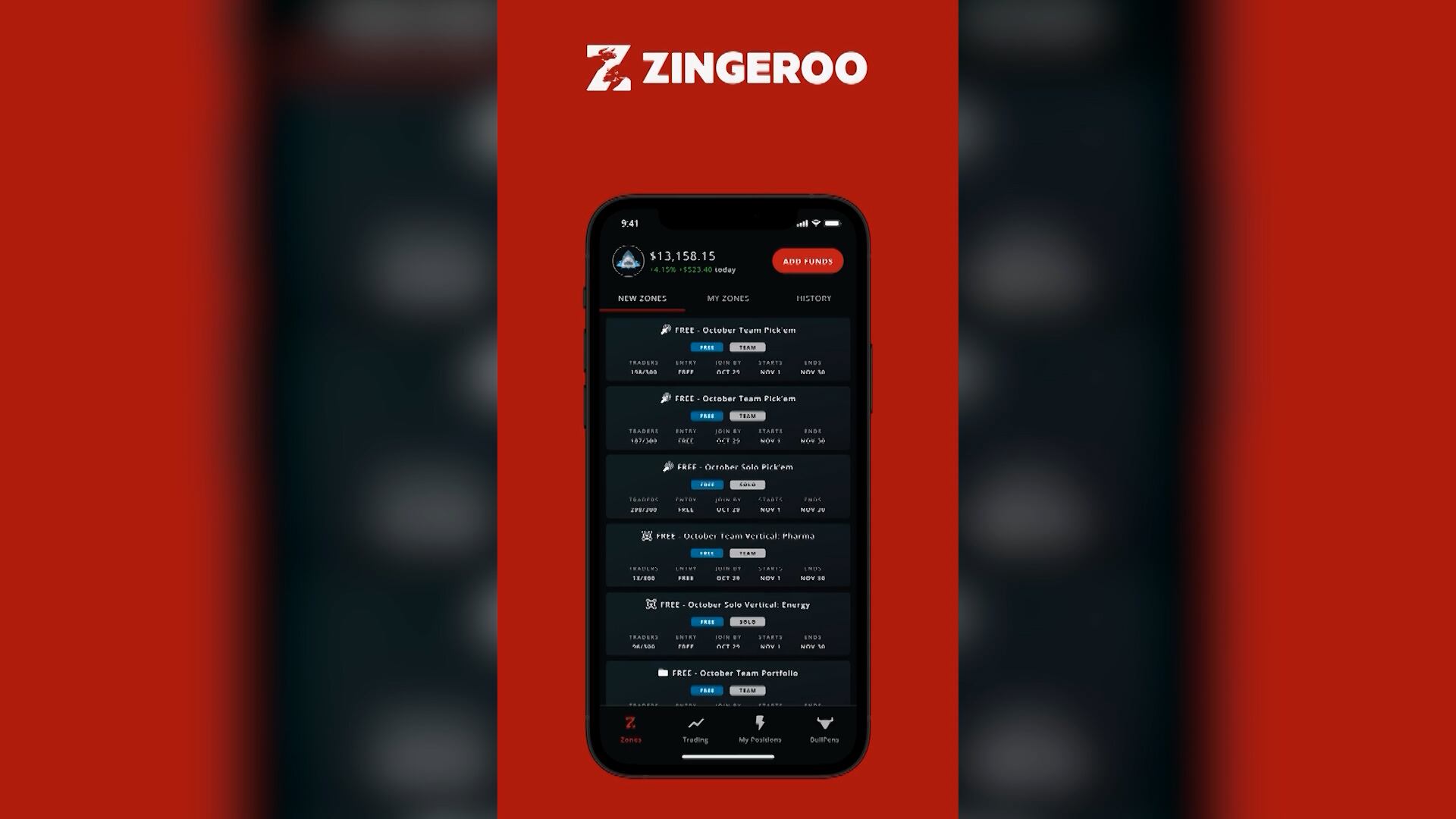
There is a new player in the mobile app stock trading space.
Zingeroo recently announced a funding round of $8.5 million. The company says it aims to bring 'friendly competition' to stock trading, by literally breaking trading down into daily and weekly competitions between friends. Zingeroo also says it hopes its new approach can make trading more accessible, educational, and social than ever before. Zingeroo co-founder and CEO Zoe Barry joins Cheddar News' Closing Bell for more.
Stocks closed higher on the first trading day of 2022, with both the Dow and the S&P 500 hitting record closes. Apple and Tesla created momentum, with the tech giant hitting a $3 trillion market cap, and the EV maker reporting over 300,000 deliveries in the fourth quarter of 2021. Investors are taking an optimistic approach to start the year even as COVID-19 continues to linger and omicron cases soar. Rebecca Walser, President at Walser Wealth Management, joins Cheddar News' Closing Bell to discuss today's market movement, her broad predictions for the year, and more.
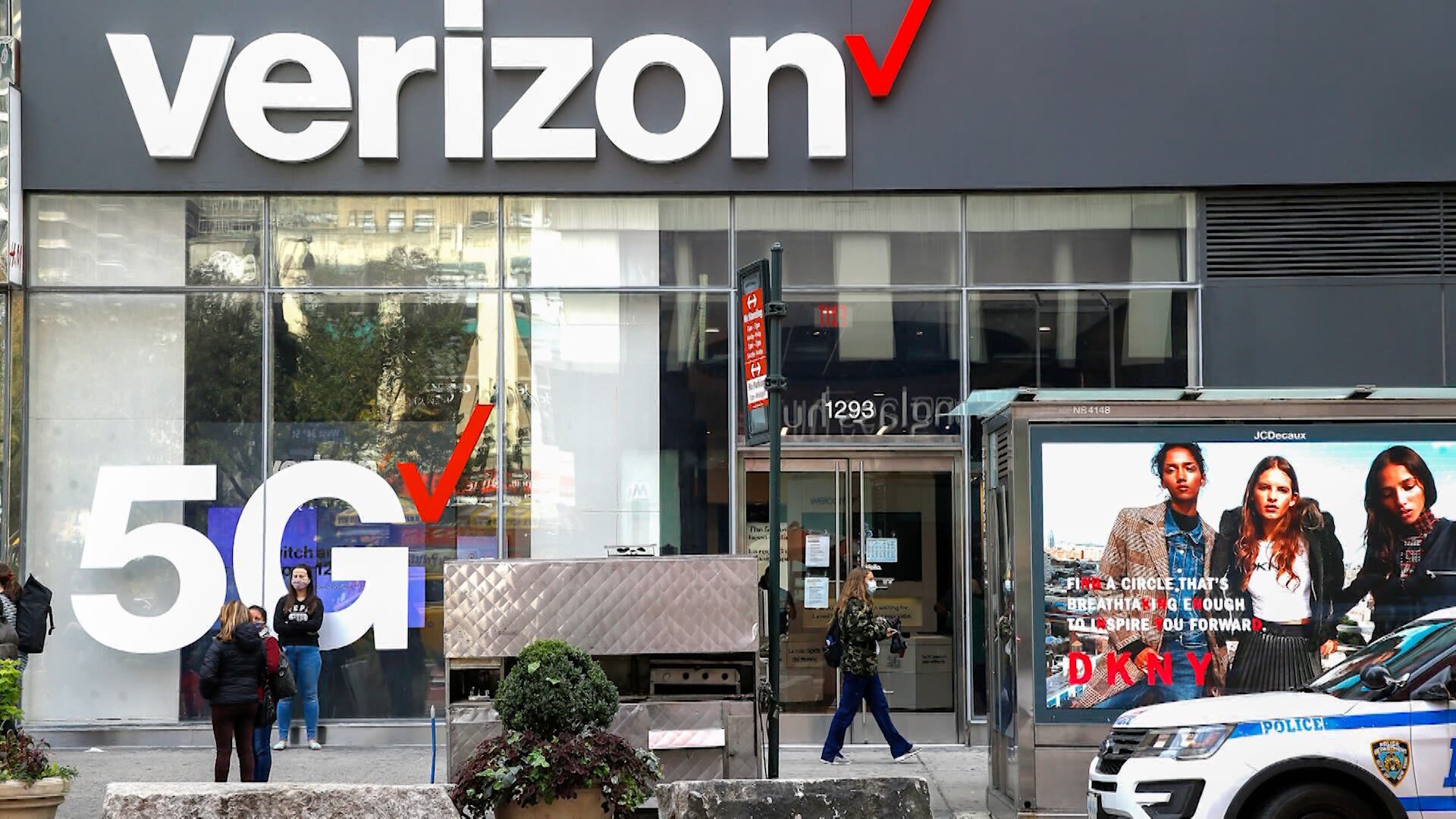
As cell carriers AT&T and Verizon planned to roll out nationwide 5G service this week, the FAA and U.S. DOT are asking the companies to pause their plans so more research can be done on the impact 5G has on aircraft technology. The companies are refusing, citing French regulations that limit wireless signals around airports while allowing research to continue. This week's launch wasn't the first time concerns have delayed 5G — last year, Airbus and Boeing express concerns, pushing the deadline into November, December, and then into this year. So what happens now — and what happens next? Will 5G roll out this year as expected? Jon Swartz, Senior Reporter at MarketWatch, joins Cheddar News' Closing Bell to discuss the state of the planned 5G rollout, why the FAA and U.S. Department of Transportation are asking carriers to stall the launch, and more.
Tyrone Ross, CEO of Onramp Invest, joins Cheddar News' Closing Bell, where he explains why he believes the current crypto slump is expected to persist and says that investors should be focusing more on Bitcoin's hashrate when it comes to metrics.
As the COVID-19 omicron variant continues to spread, thousands of flights have been canceled, restaurants and bars have been forced to re-adapt to outdoor and take-out dining, and consumers are canceling their travel and other plans. This all comes as the CDC recently updated its quarantine guidelines for people who test positive, slashing the isolation period from 10 days to five. That change was pushed by the airline industry as it continues to struggle with labor shortages. How will the variant continue to impact businesses large and small? Laura Reathaford, Partner at Lathrop GPM, and Tom Sacco, CEO, President, and Chief Happiness Officer of Iowa-based Happy Joe's Pizza and Ice Cream, join Cheddar News' Closing Bell to discuss employment law issues related to worker safety during COVID-19 outbreaks, and how small businesses are dealing with the latest wave, respectively.
Luke Larsen, senior editor at Digital Trends, joins Cheddar News to discuss the largest tech convention in the world, CES, kicking off in Las Vegas this week.