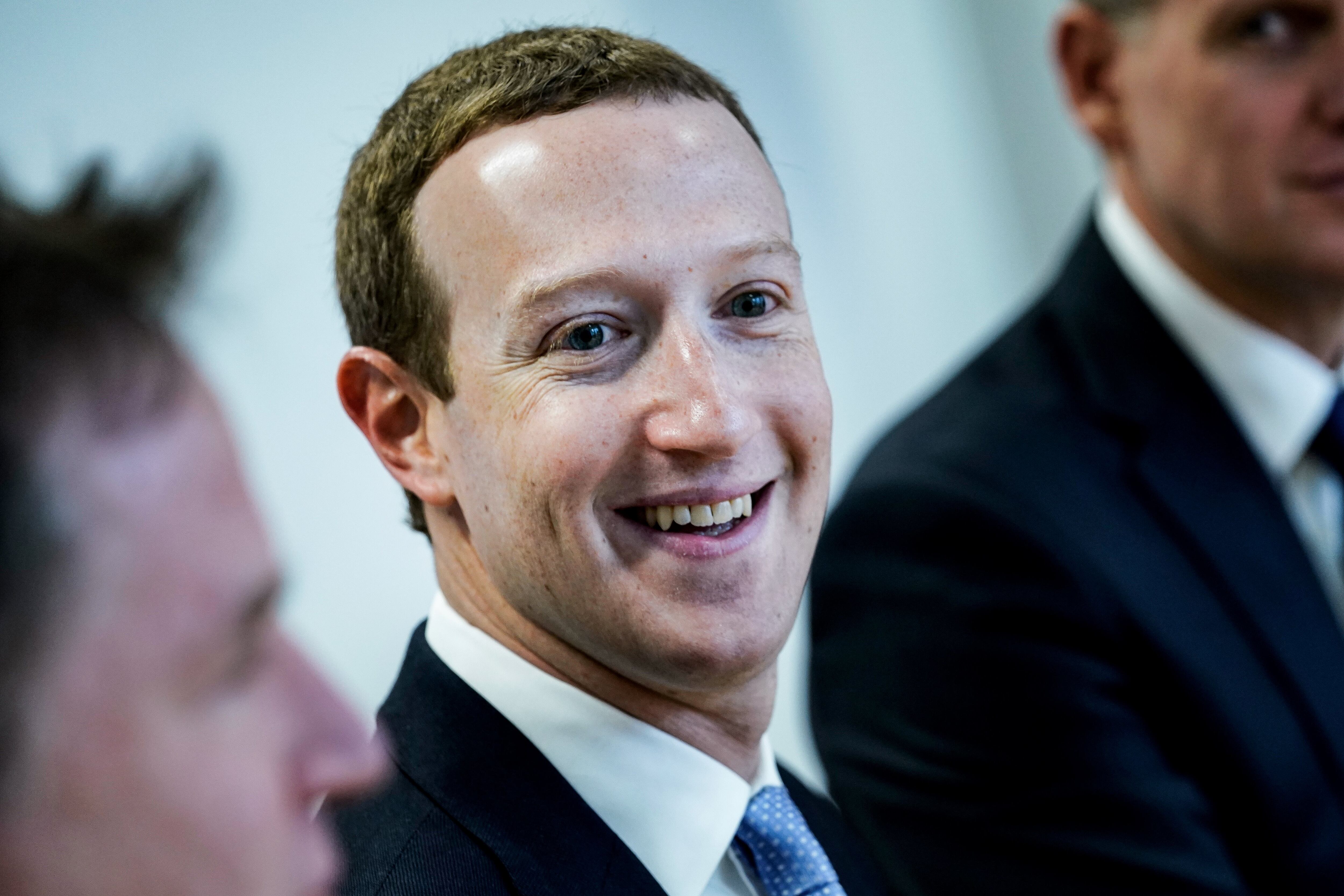
Mark Zuckerberg and his wife Priscilla Chan have donated $25 million through their foundation to a philanthropic effort organized by Bill Gates to explore new coronavirus treatments.
The Gates Foundation donated $50 million last week to what it’s calling the “COVID-19 Therapeutics Accelerator.” The initiative brings together life sciences companies to collaborate on the development of new vaccines, diagnostics, and treatments for COVID-19.
“The Therapeutics Accelerator will enable researchers to quickly determine whether or not existing drugs have a potential benefit against COVID-19,” Chan and Zuckerberg said in a press release. “We hope these coordinated efforts will help stop the spread of COVID-19 as well as provide shared, reusable strategies to respond to future pandemics.”
The two donations are the largest from tech billionaires since the coronavirus outbreak. Wellcome and Mastercard are supporting the effort as well.
The goal of the initiative is to either develop a new drug or adapt an existing treatment that it could help distribute alongside partnering pharmaceutical companies.
The 15 companies participating in the project kicked off the effort by sharing their proprietary libraries of molecular compounds that have some history of being tested with COVID-19.
The lineup includes big names in biotech such as Johnson & Johnson, Merck, Pfizer, Sanofi, and Bristol-Myers Squibb.
The tech giants' decisions to block content by the conspiracy theorist Alex Jones may encourage other platforms to crackdown on his incendiary rhetoric, says Mashable's Heather Dockray. "The claims he's making have always been dangerous," Dockray says. "But they seem particularly paranoid as of late."
These are the headlines you Need2Know.
The stationary bike and treadmill maker is now valued at over $4 billion after its latest funding round. Maureen Farrell, reporter at the Wall Street Journal, tells Cheddar that most companies claim to be the Netflix of their industry, but in Peloton's case, it may actually be true.
Shares of the connected security camera maker rose as much as 35 percent from the stock's IPO price, but CEO Matthew McRae isn't worried he left money on the table. McRae also told Cheddar that Arlo, a Netgear spinoff, is "more friends than enemies" with strategic partners Amazon and Google, which offer competing devices.
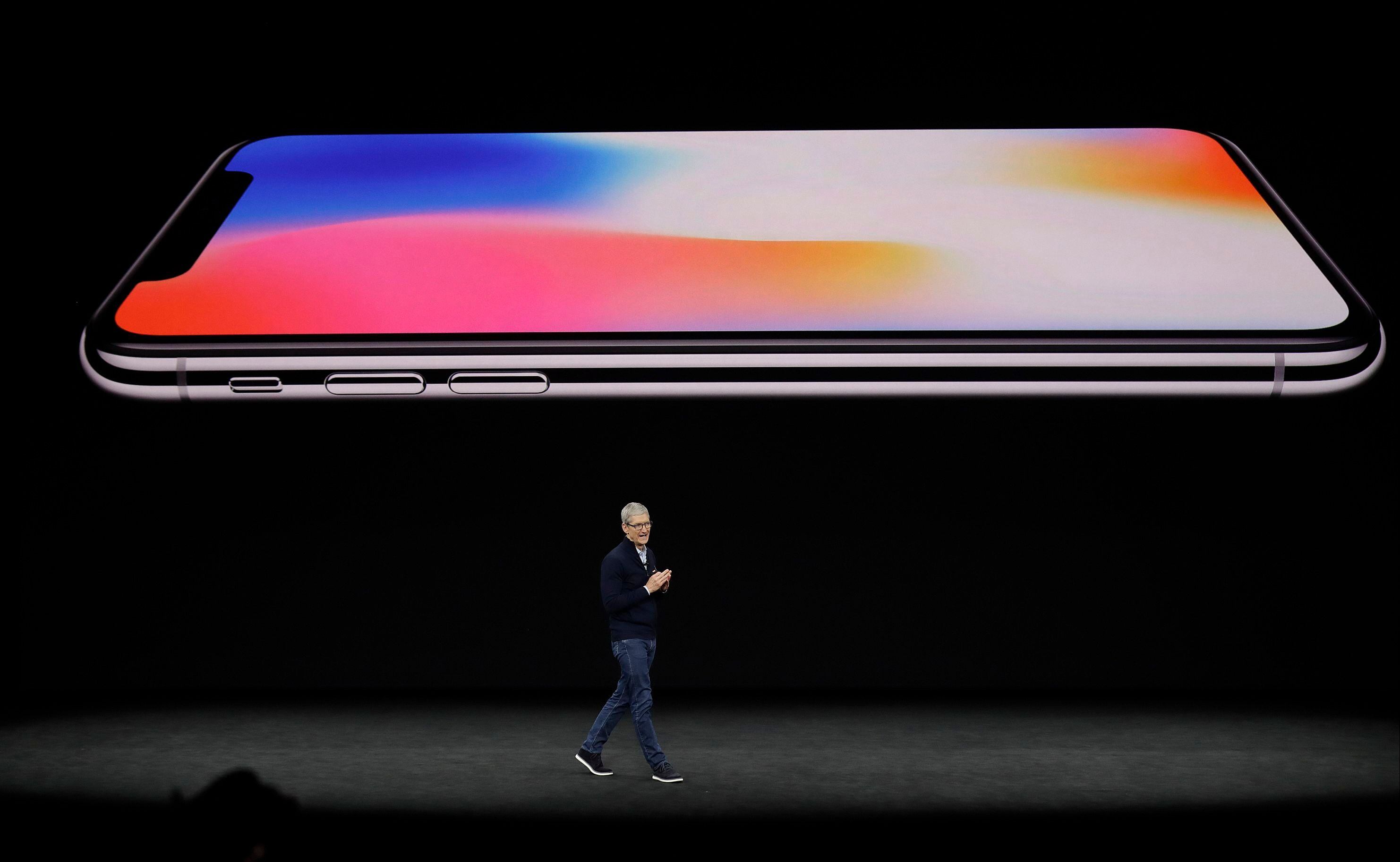
The world's most valuable publicly traded company may actually be worth closer to $1.5 trillion, says Eric Jackson, founder and president of the investment firm EMJ. "This is a company that should be valued as a services business," he says, and that it should trade at a higher multiple to sales.
These are the headlines you Need2Know.
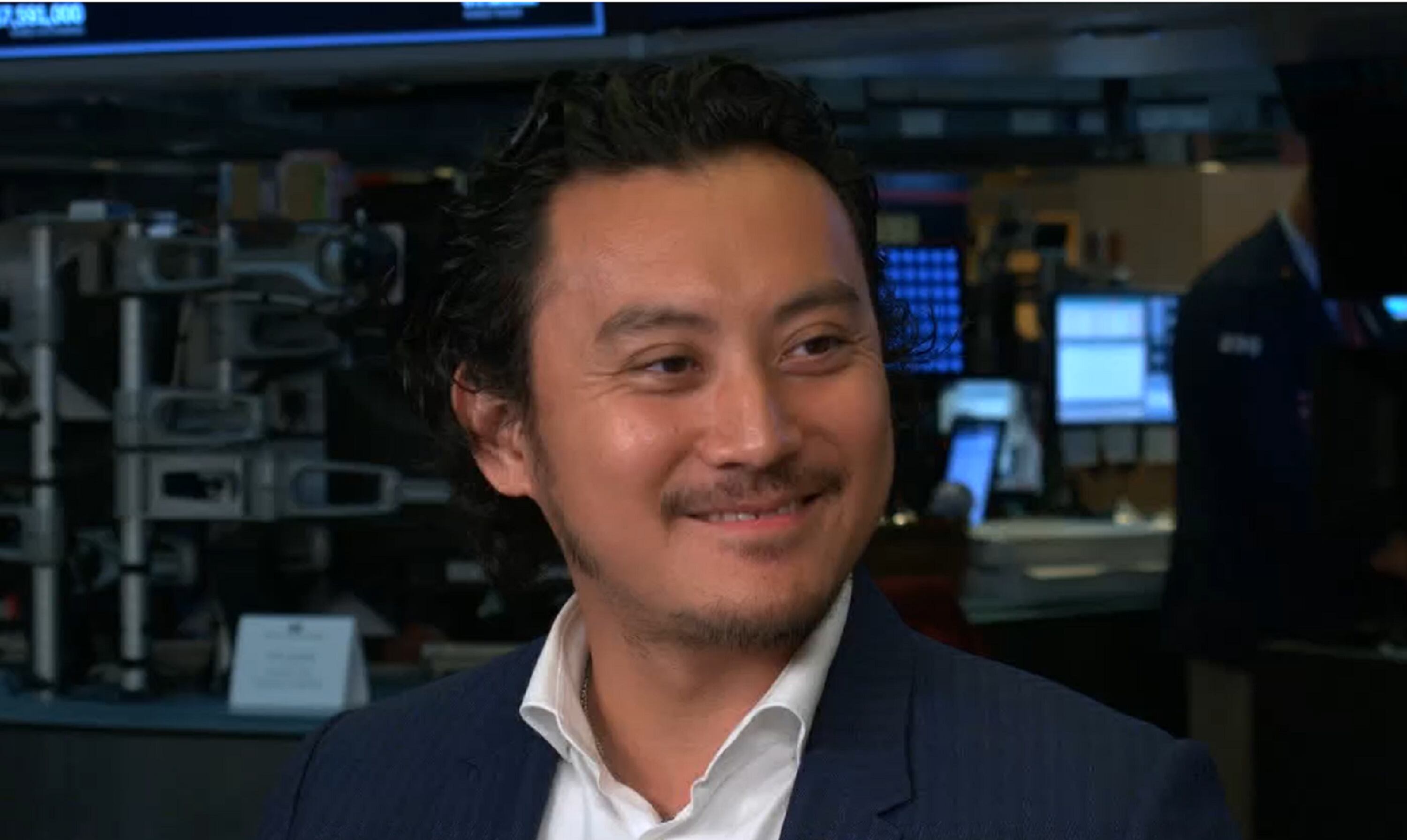
Junta Nakai, global head of business development at fintech company Selerity, says automation in the financial industry has so far been primarily used by the consumer. But his technology will fundamentally change the way traders and financial analysts work.
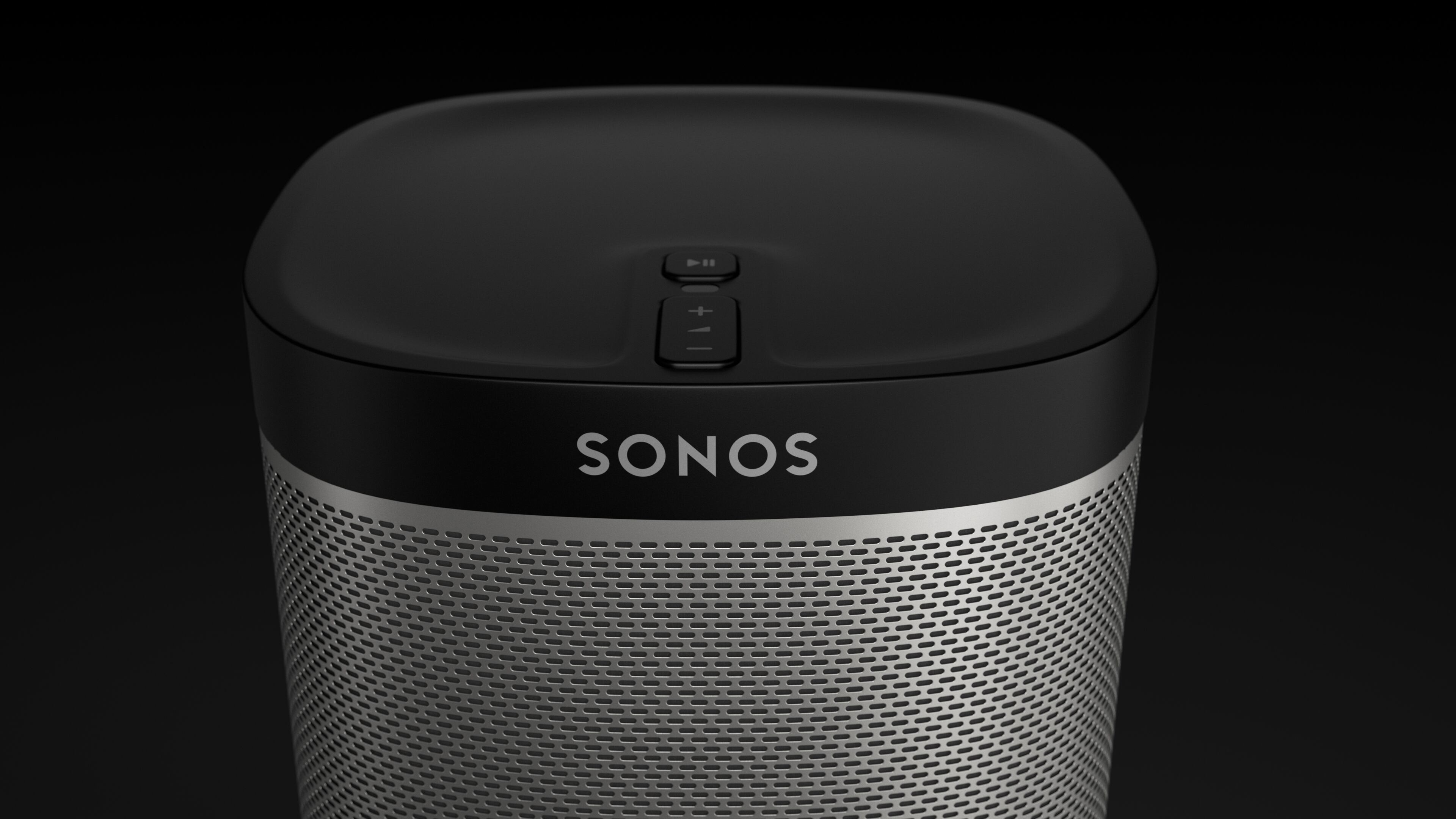
The speaker maker acknowledged in its IPO filings that one risk to its business could be that partners like Amazon and Google could end their deals at any time. But on the day of the company's market debut, Sonos VP of Finance and Investor Relations Mike Groeninger says his company provides a "winning formula" and he's not worried. Sonos stock opened at $16 a share, above the IPO price, but below its expected range.
Mark Spiegel, managing member of Stanphyl Capital, says Tesla's second quarter was "just horrible," citing the electric carmaker's greater-than-expected loss, its cash-flow deficit and low demand for its Model 3 vehicle. Still, Spiegel says Tesla's current quarter could be the company's best ever, it just won't be as good as CEO Elon Musk says it will be.
Speaker maker Sonos went public Thursday, putting up almost 14 million shares for sale. Rob Marvin, associate features editor at PC Mag, breaks down what sort of competition and challenges the company will face moving forward.