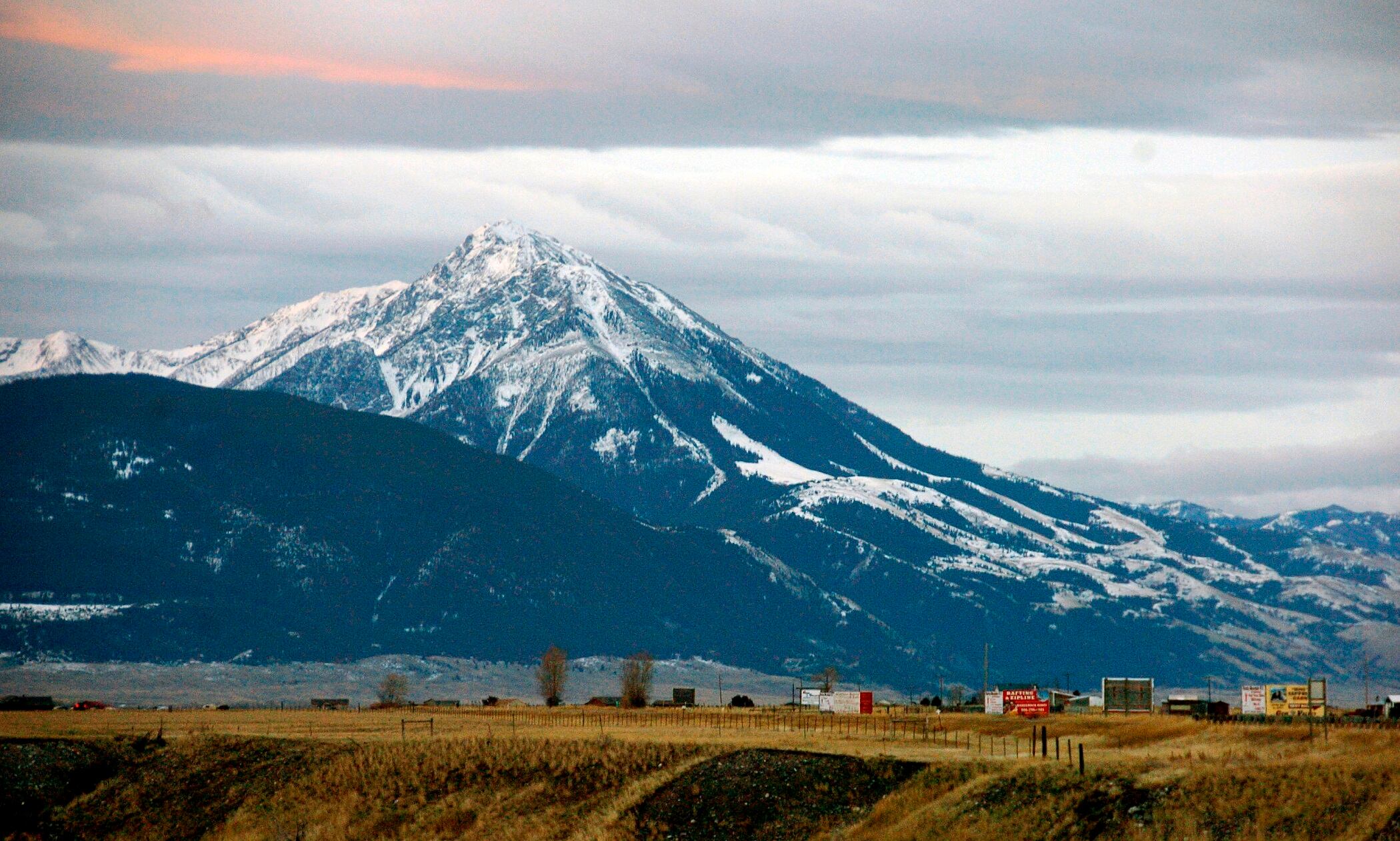
Emigrant Peak towers over the Paradise Valley in Montana north of Yellowstone National Park, on Nov. 21, 2016. (AP Photo/Matthew Brown, File)
As Yellowstone National Park celebrates its 150th anniversary year, the park's fundraising arm is seeking $1,500 donations in exchange for an annual entry pass that can be used by carloads of the donor's descendants to visit the park in 150 years.
Yellowstone Forever will use the money raised through the sale of “Inheritance Passes” to support park projects like trail improvements, education, native fish conservation and scientific studies.
"It is our way of celebrating 150 years of Yellowstone National Park and to help preserve the park for the next 150 years,” Lisa Diekmann, president and CEO of Yellowstone Forever, told The Billings Gazette.
The concept was created by the Havas Chicago advertising agency.
Rather than looking back to celebrate the park's 150th anniversary, Havas Chicago said they thought it would be the perfect time to look ahead and think about ways to preserve the park for future generations.
The Inheritance Passes will be annual passes valid for entry into Yellowstone in 2172. Donors will also receive a pass to enter Yellowstone that is good for a period of a year after its first use, said Wendie Carr, chief marketing officer for Yellowstone Forever.
A survey by the BMO Real Financial Progress Index found that 25 percent of Americans are pulling back on retirement contributions to offset the cost of inflation. This comes as market volatility reduced retirement savings with the S&P 500 shedding more than 12 percent this year alone.
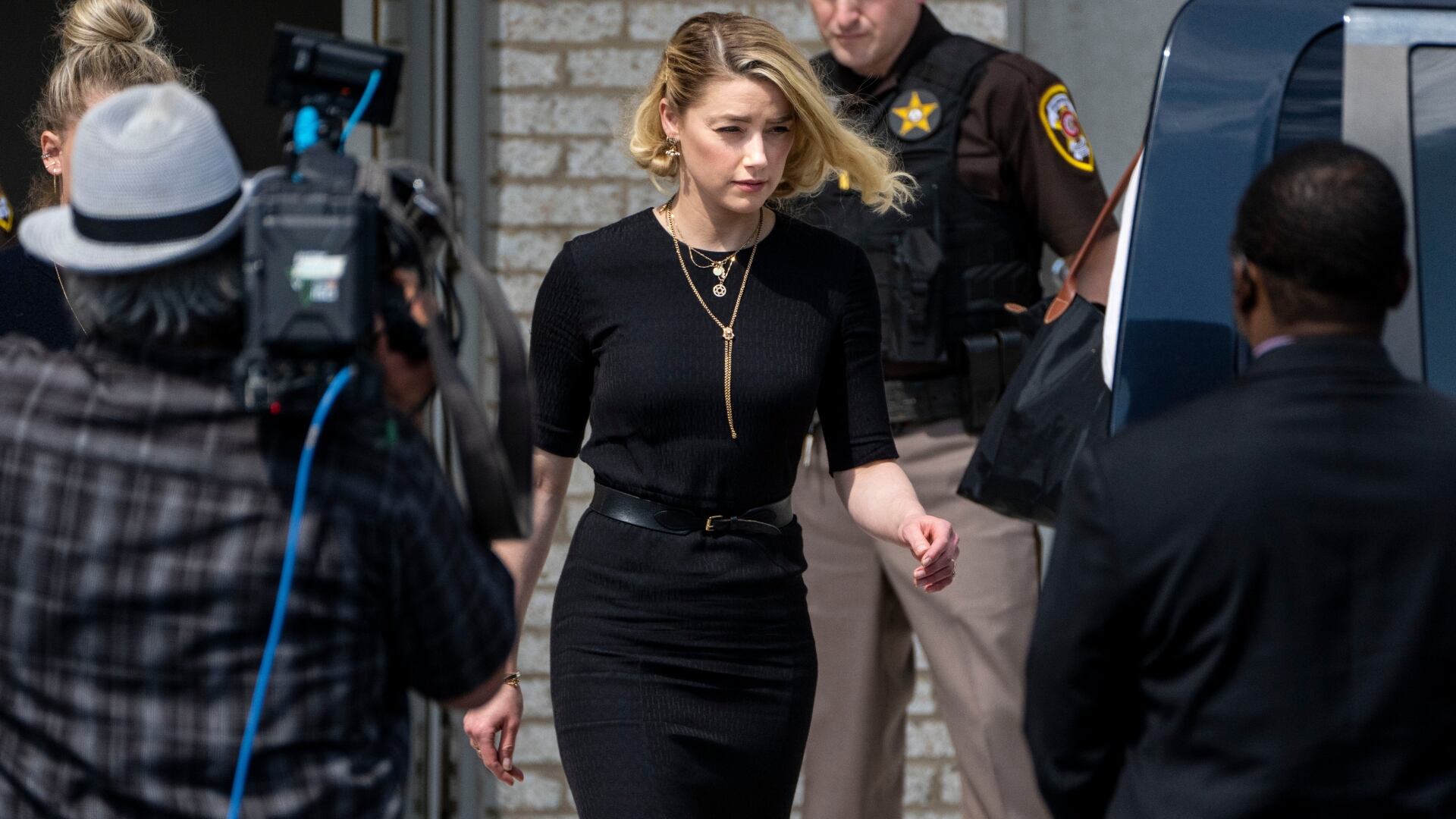
Catching you up on entertainment headlines with Johnny Depp winning more damages in his defamation lawsuit against Amber Heard, Jada Pinkett Smith addressing the infamous Oscars slap that her husband Will Smith laid on Chris Rock, Queen Elizabeth II celebrating her platinum jubilee on the throne, and more.
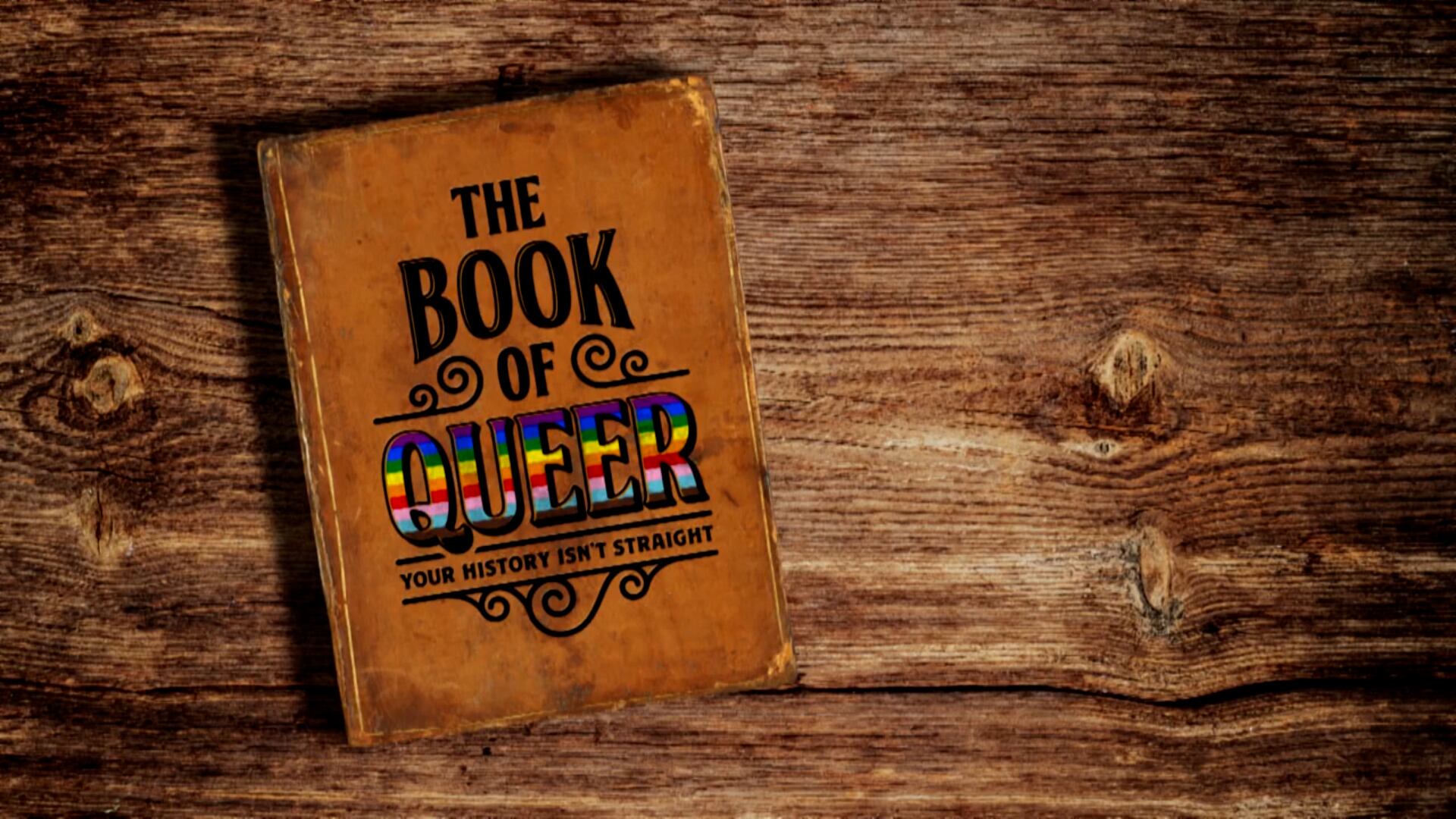
Eric Cervini, executive producer of 'The Book of Queer,' joins Cheddar News to talk about the new show on Discovery+ that's celebrating LGBTQ+ history.
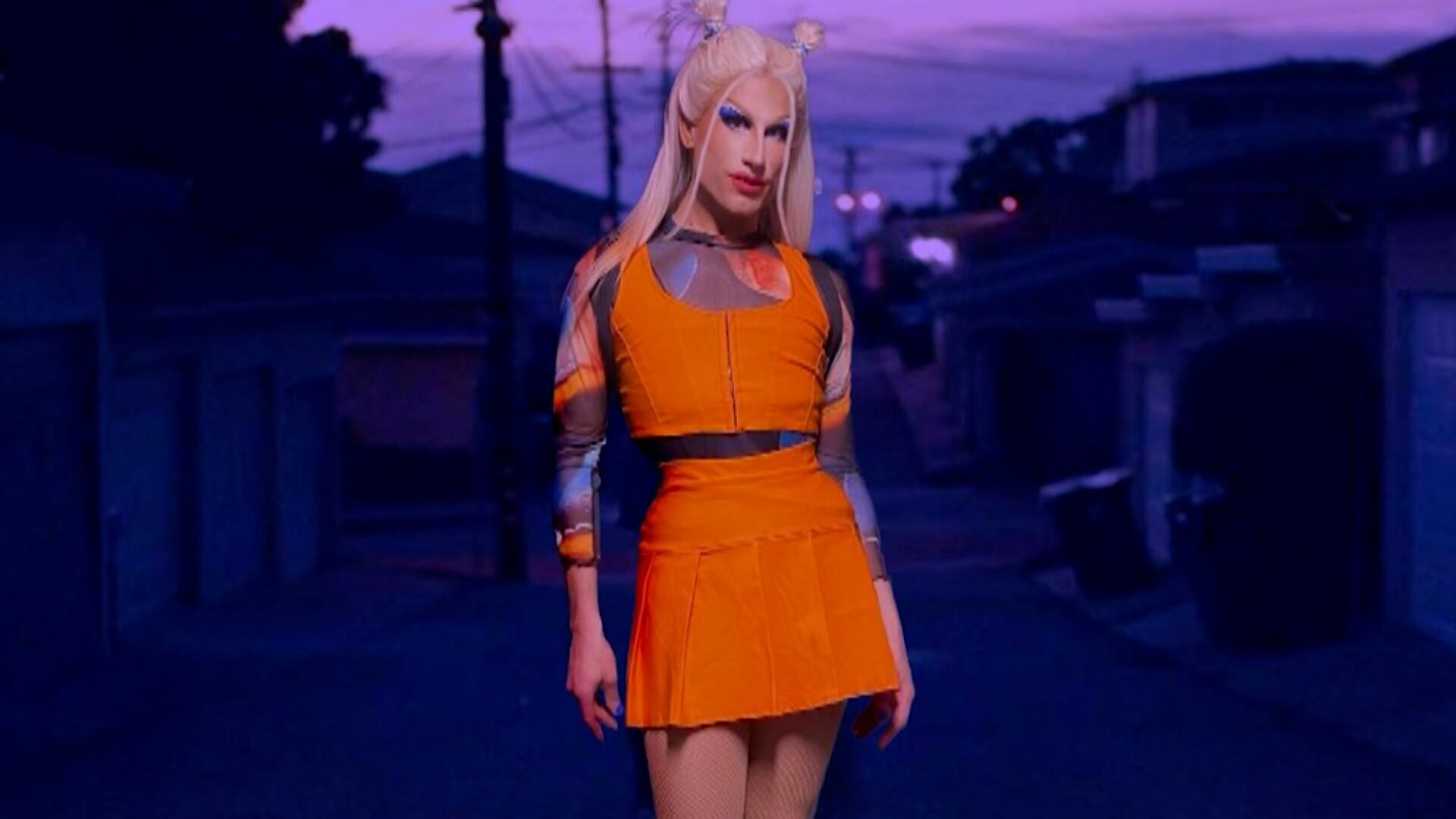
New York drag queen DD Fuego, joined Cheddar News to discuss her journey to drag, sharing the coloring book "Find Your Fuego" to explain to kids and adults alike what drag is all about, and describing the Big Apple scene. "It's incredible because you're meeting people for the first time, and you're also sharing a piece of you, and they're sharing with you back, and it's instant, and it's so intimate, but it's also art," she said. "It's theater!" In celebrating this spirit, Cheddar employee Shannon also received a "fantastic" makeover from DD Fuego.
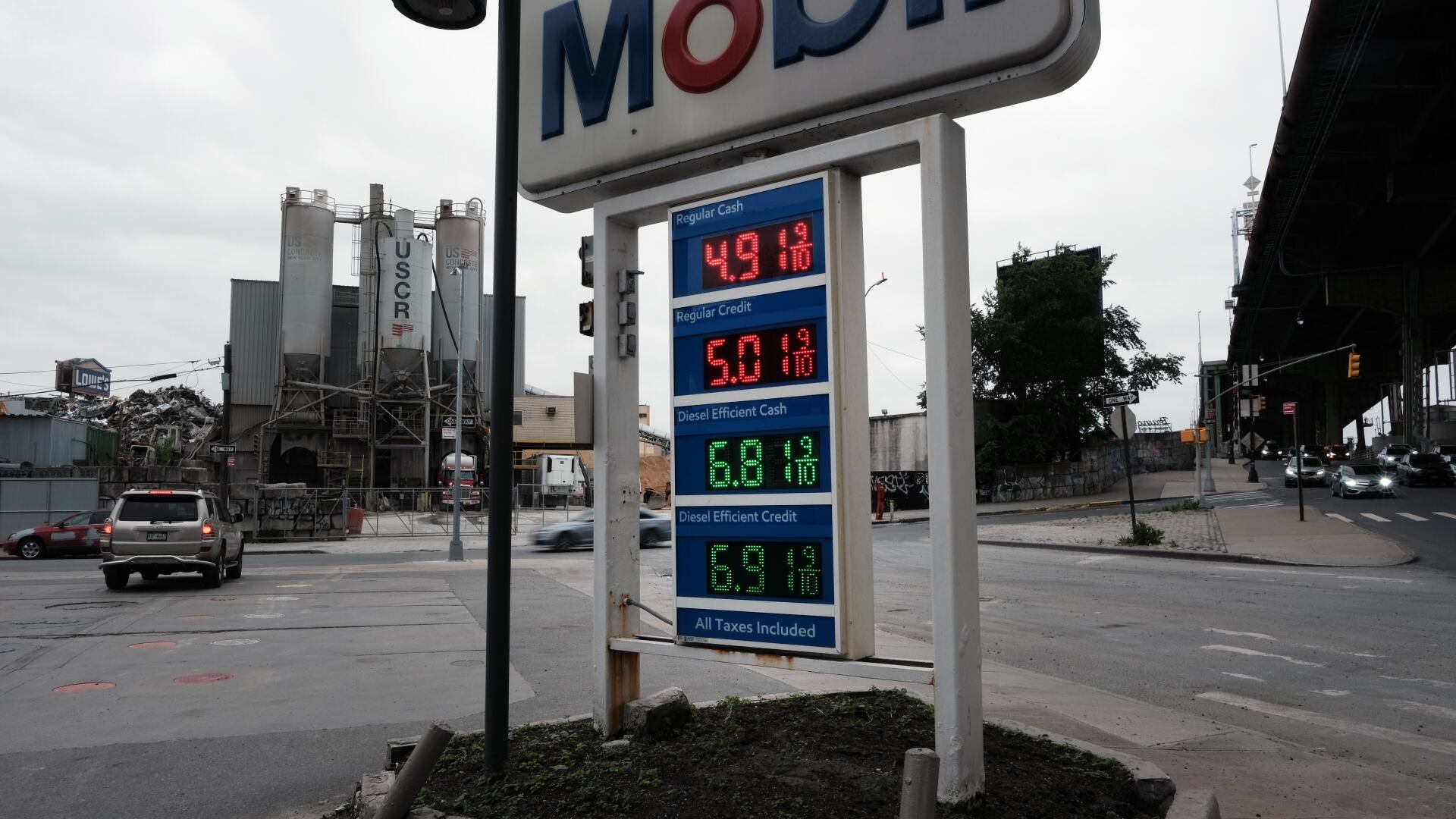
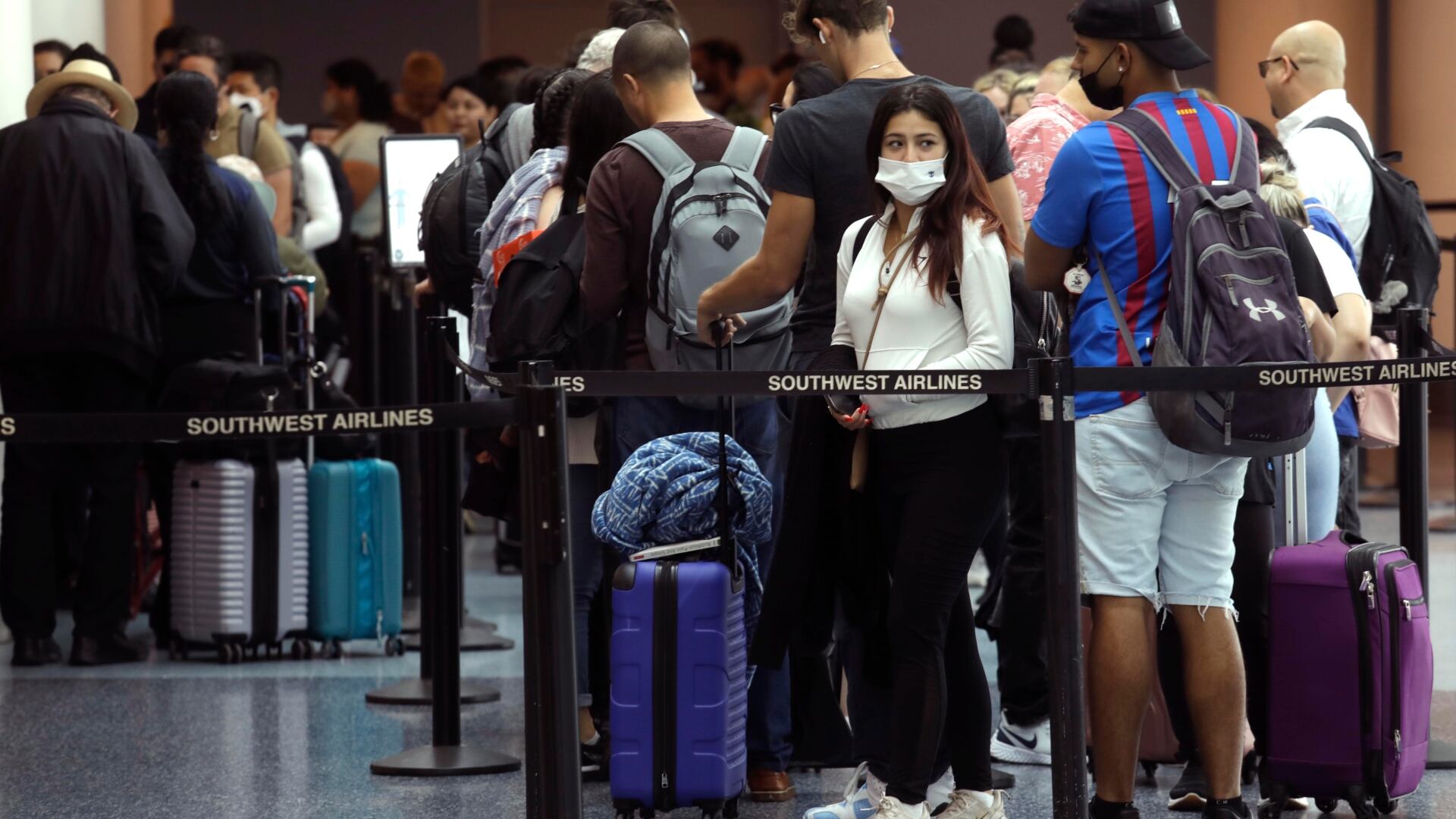
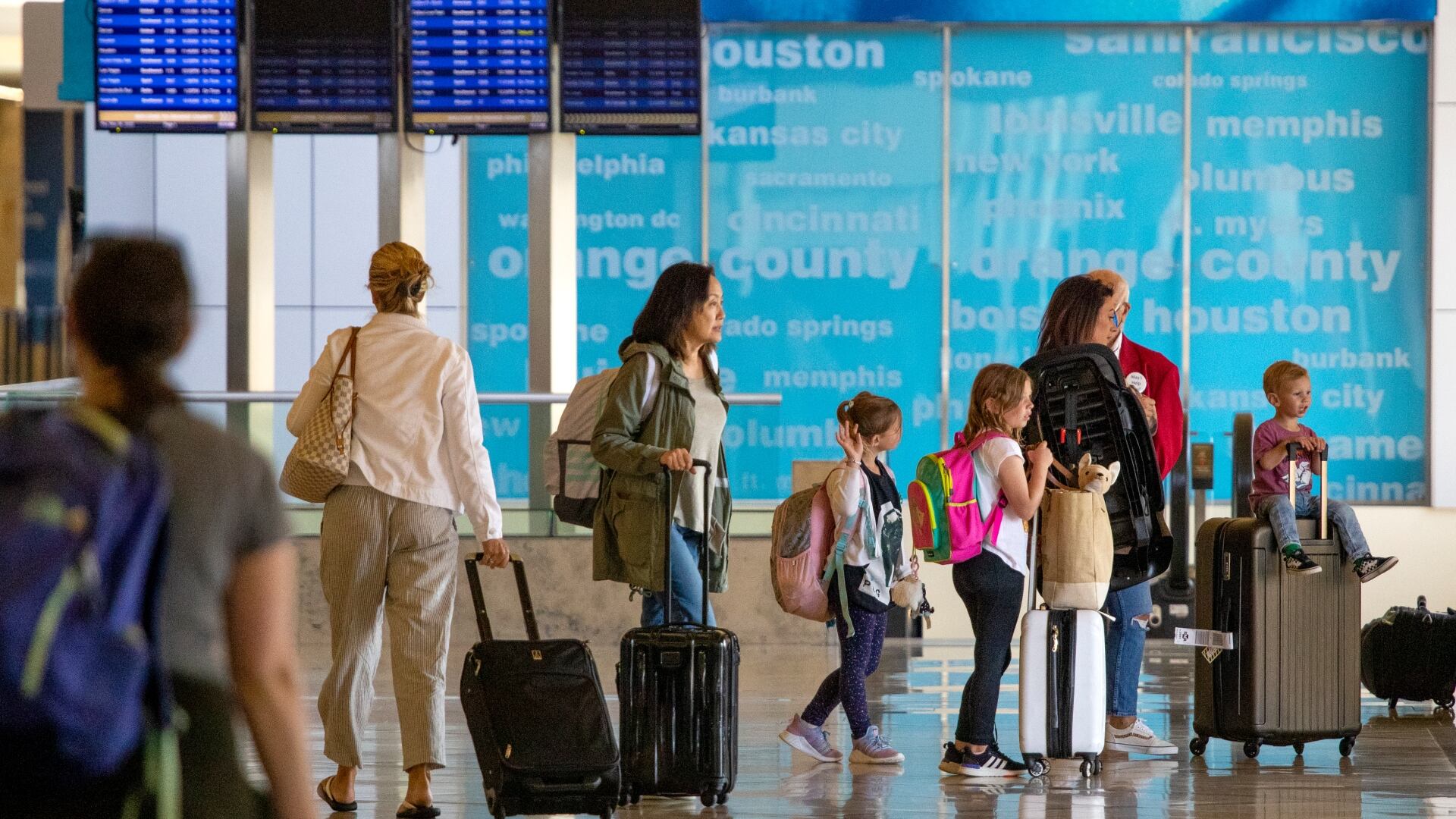
Memorial Day rang in the unofficial start of summer here in the United States -- and with it, the unofficial start of summer travel. Whether consumers traveled by air or by land, they probably experienced some form of frustration over the weekend. Flyers faced delays and cancellations, and drivers faced the most expensive gas prices ever recorded on Memorial Day. Zach Griff, Senior Aviation Reporter for the Points Guy, joins Cheddar News' Closing Bell to discuss.
Next-generation gaming ecosystem Joystick recently raised $8 million in a seed round and is in the process of raising a $110 million Series A funding round. Gaming ecosystems are a relatively new type of platform in the Web3 space, allowing users to maximize their play-to-earn gaming opportunities, exchange crypto-currencies, and sell their digital assets. Joystick says its platform is flipping the current model on its head by giving players the opportunity to keep 100% of the revenue they earn. Robin Defay, co-founder and CEO of Joystick, and Michael Le, co-founder of Joystick and TikTok content creator, join Cheddar News' Closing Bell to discuss.
The dating app Bumble has sponsored bills and pushed lawmakers to criminalize the online practice of sending unsolicited nudes or “cyberflashing." Payton Iheme, Bumble's head of public policy for the Americas, joined Cheddar News to discuss why the app was going after the harassing behavior beyond its own platform. "Now, while we went to work internally in the company, and we created something called private detector to automatically blur those images so the user can decide if they want to see them, there's nothing for the rest of the internet," she said. "And so that's why we went to work with these laws."