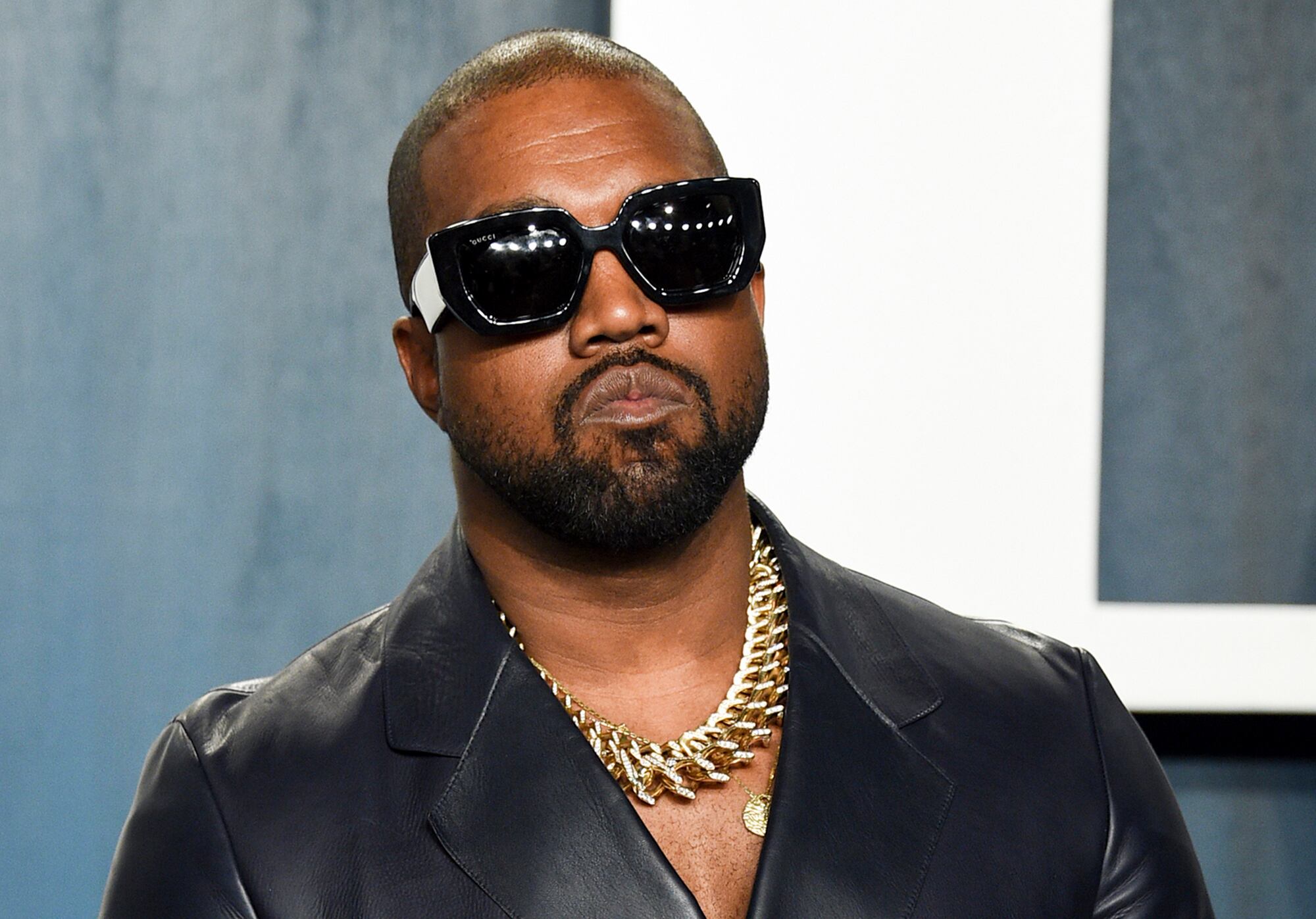
In this Feb. 9, 2020, file photo, Kanye West arrives at the Vanity Fair Oscar Party in Beverly Hills, Calif. Rapper and fashion mogul Ye’s high-end clothing company Yeezy has agreed to pay $950,000 to settle a lawsuit over slow shipping to customers. (Photo by Evan Agostini/Invision/AP, File)
Rapper and fashion mogul Ye's high-end clothing company Yeezy agreed Monday to pay $950,000 to settle a lawsuit brought by four California district attorneys over slow shipping to customers.
The suit brought last month by the district attorneys of Los Angeles, Sonoma, Napa and Alameda counties alleged that Yeezy had engaged in false advertising about its shipping and had violated state law by failing to send online orders within 30 days.
He designs and sells sneakers under the Yeezy brand in collaboration with Adidas. The company also makes and sells clothes. Adidas was not named as a defendant in the lawsuit.
An email sent seeking comment from Yeezy was not immediately returned.
The settlement includes $800,000 in civil penalties to the district attorneys offices, $50,000 in restitution to a state consumer protection fund, and $100,000 in investigative costs.
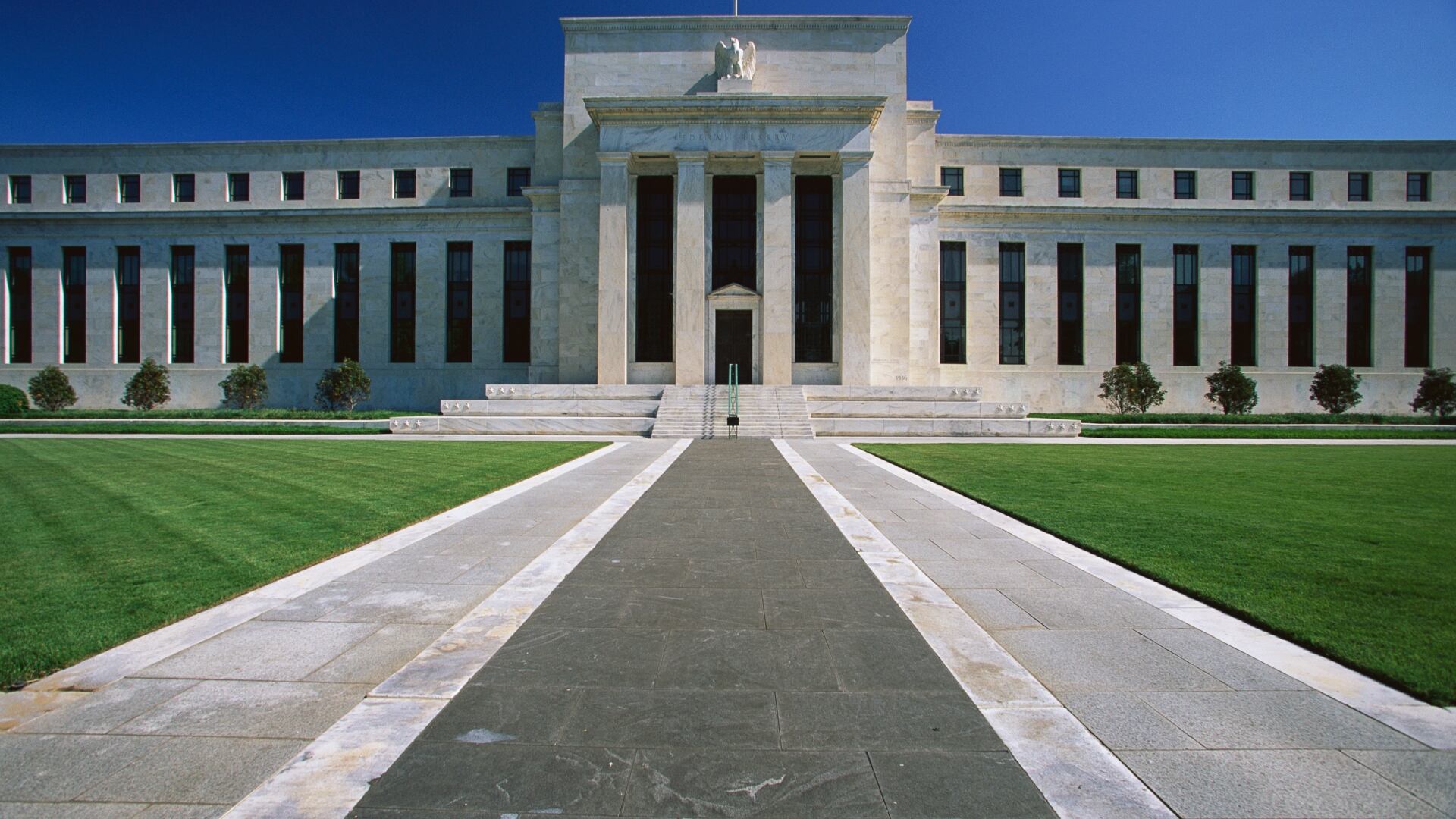
David Wright, President and owner of Wright Financial Group, shares his thoughts on why the Federal Reserve seems hesitant to cut rates, and why regional bank stocks could help move the needle.
Disney and Fortnite-maker Epic Games will collab on making new video games with Disney characters. Hopefully it will be more than Mickey Mouse hitting the Griddy.
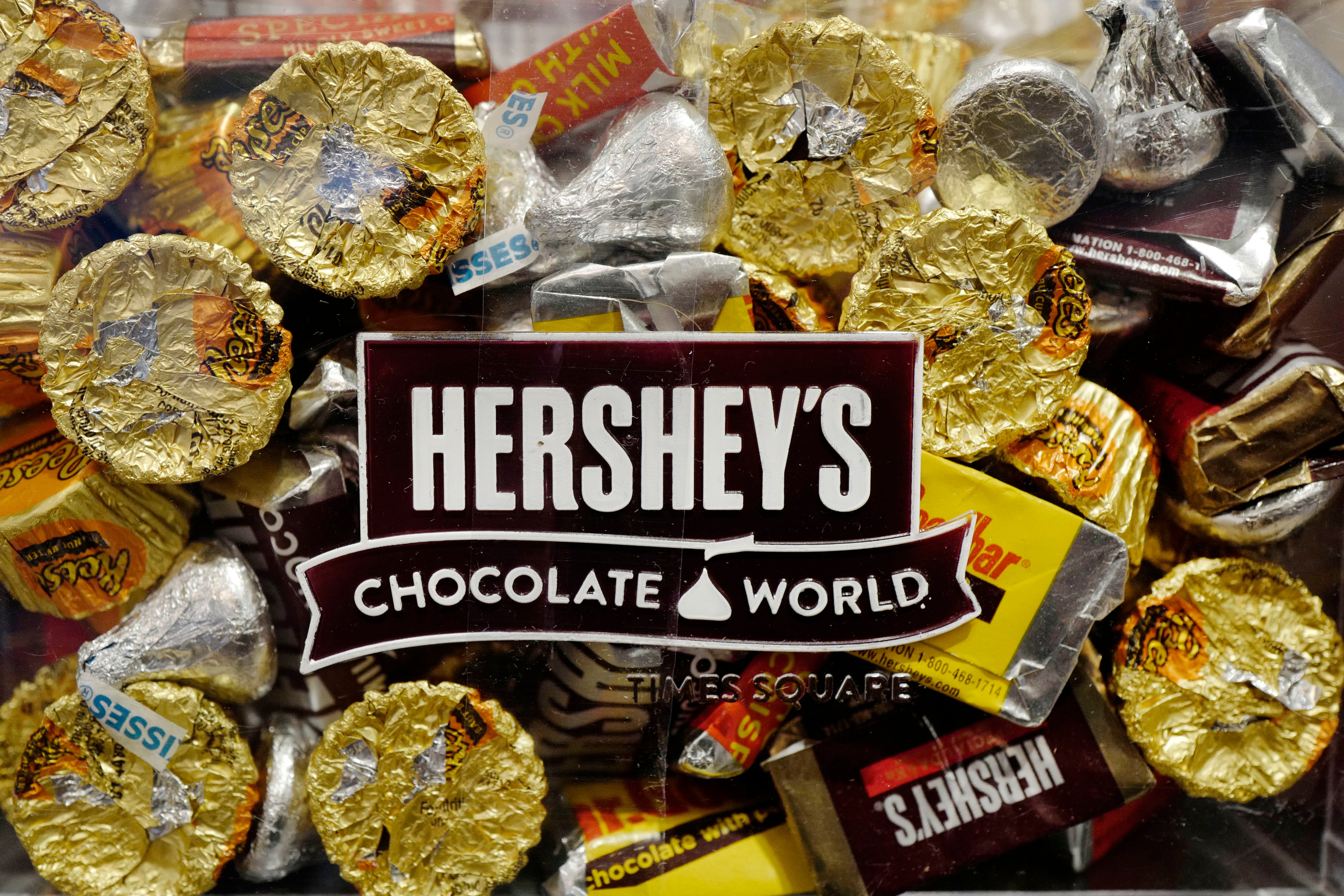
Hershey is cautioning on its 2024 profit growth as the company contends with rising cocoa costs, leading to increased prices for chocolate. The company anticipates its full-year earnings per share being relatively flat, partly due to higher cocoa and sugar costs.
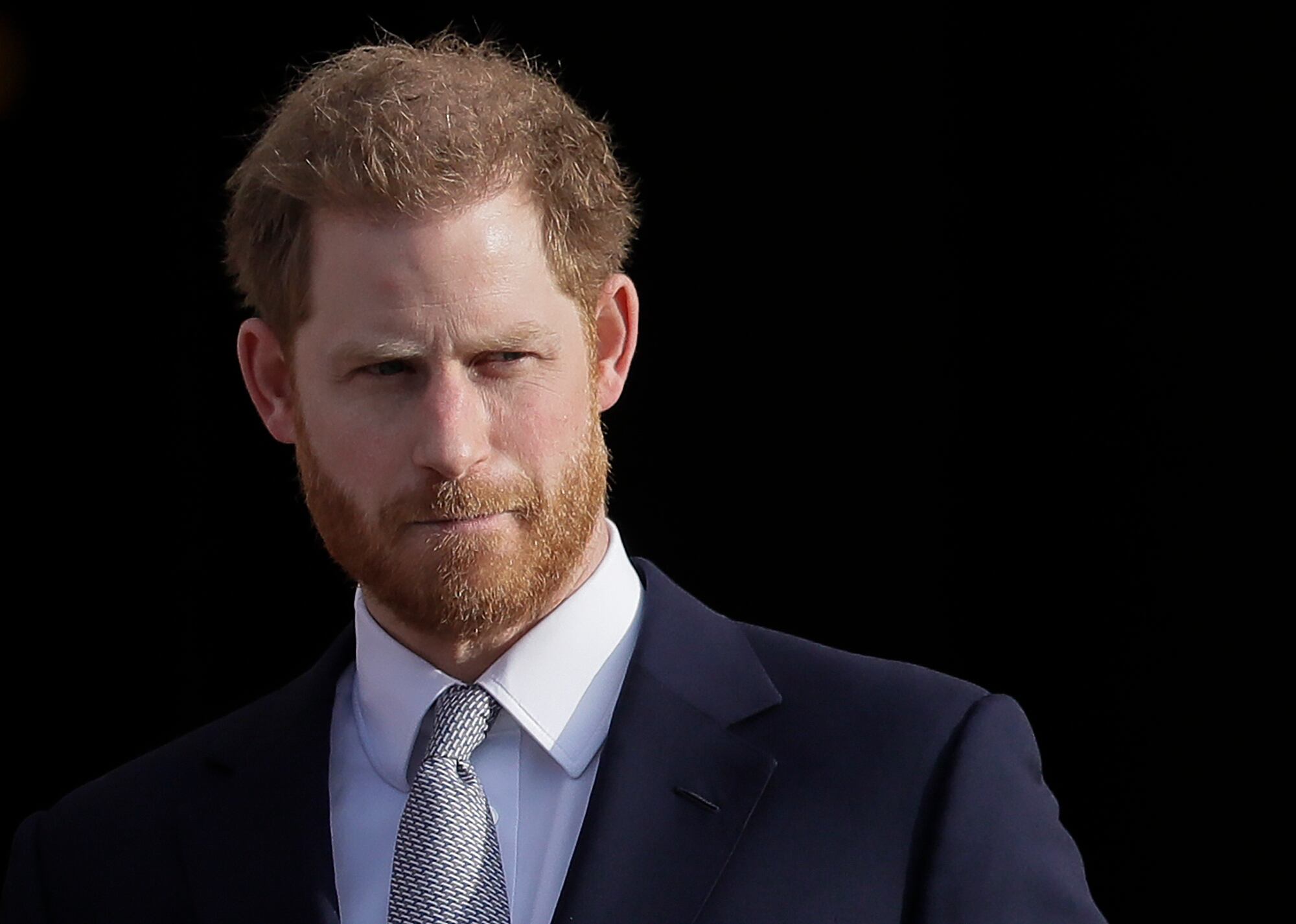
Prince Harry has reached an out-of-court settlement with a tabloid newspaper publisher that invaded his privacy with phone hacking and other illegal snooping. Attorney David Sherborne said that Mirror Group Newspapers had agreed to pay Harry’ “substantial” costs and damages.
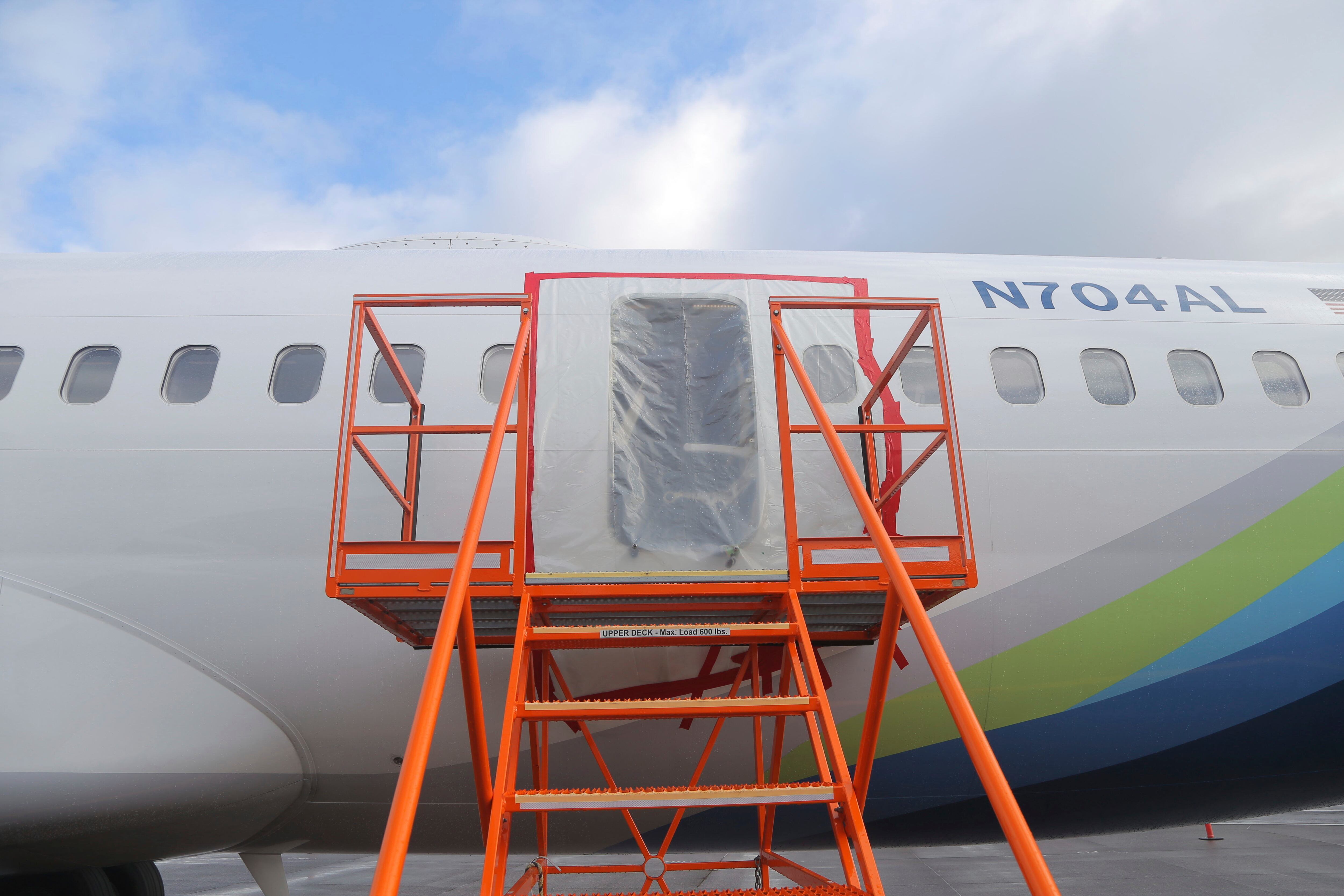
An attorney representing passengers of an Alaska Airlines flight that lost a door plug in midair says a “whistling sound” was heard on a previous flight of the same Boeing 737 Max 9.
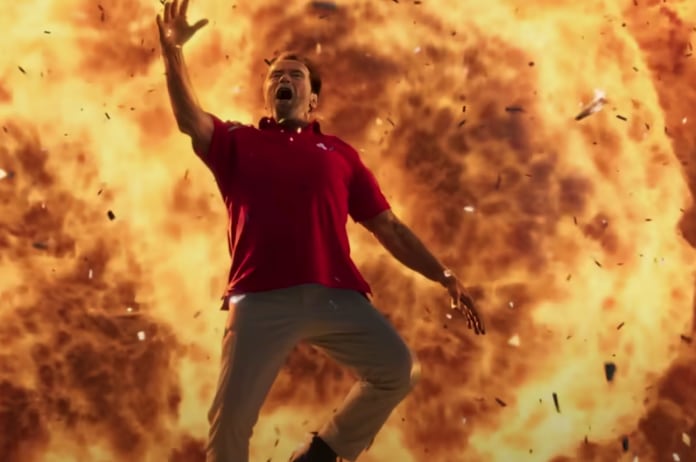
What do Arnold Schwarzenegger, Aubrey Plaza, and Tom Brady all have in common? You'll see them on Super Bowl Sunday, but not on the field. If you only watch the Super Bowl for the ads, here's a sneak peek.