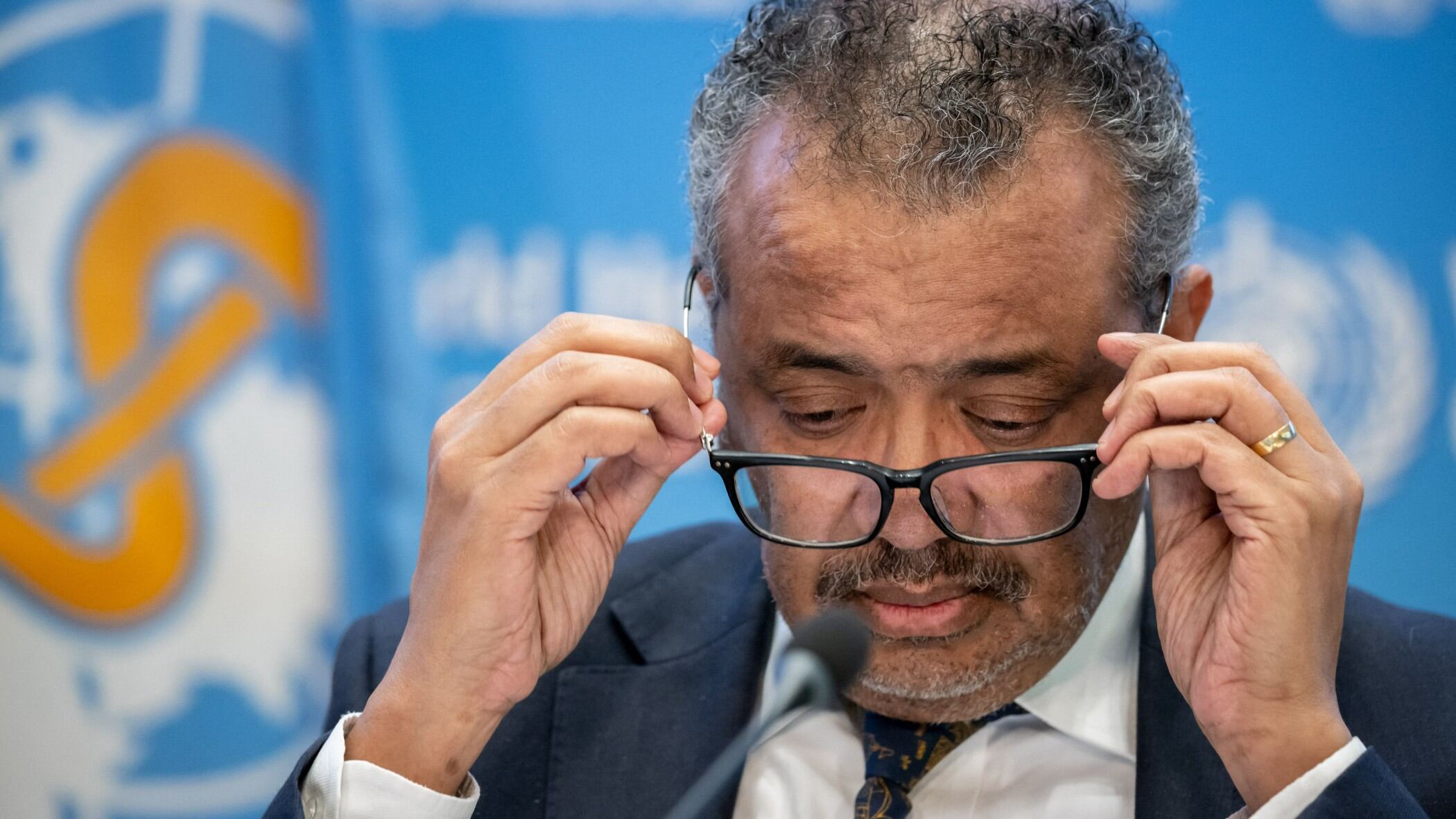
WHO Director-General Tedros Adhanom Ghebreyesus adjusts his glasses during a press conference at the World Health Organisation's headquarters in Geneva, on December 14, 2022. (Photo by Fabrice Coffrini/ AFP)
Three years ago, the Associated Press reported on the World Health Organization's declaration of "the outbreak sparked by a new virus in China that has spread to more than a dozen countries as a global emergency Thursday after the number of cases spiked more than tenfold in a week."
"The U.N. health agency defines an international emergency as an 'extraordinary event' that constitutes a risk to other countries and requires a coordinated international response," the report continued.
The same day, U.S. health officials reported the first known case in which the new coronavirus was spread from one person to another in the United States. President Donald Trump described the handful of U.S. cases of the virus as a “very little problem” and said people infected were “recuperating successfully.” The State Department advised U.S. citizens against traveling to China, and Russia ordered the closure of its 2,600-mile-long land border with China in an effort to limit the spread of the virus.
In his speech declaring a global public health emergency, WHO Director-General Tedros Adhanom Ghebreyesus said "Our greatest concern is the potential for this virus to spread to countries with weaker health systems which are ill-prepared to deal with it.”
"The only way we will defeat this outbreak," said Dr. Tedros, "is for all countries to work together in a spirit of solidarity and cooperation. We are all in this together, and we can only stop it together."
As of Jan. 27, 2023, more than 6.8 million people have died of Covid-19, according to WHO data.
Republicans on the House Judiciary Committee accused the agency of targeting conservatives, suppressing evidence that Covid-19 came from a lab leak and abusing its surveillance powers.
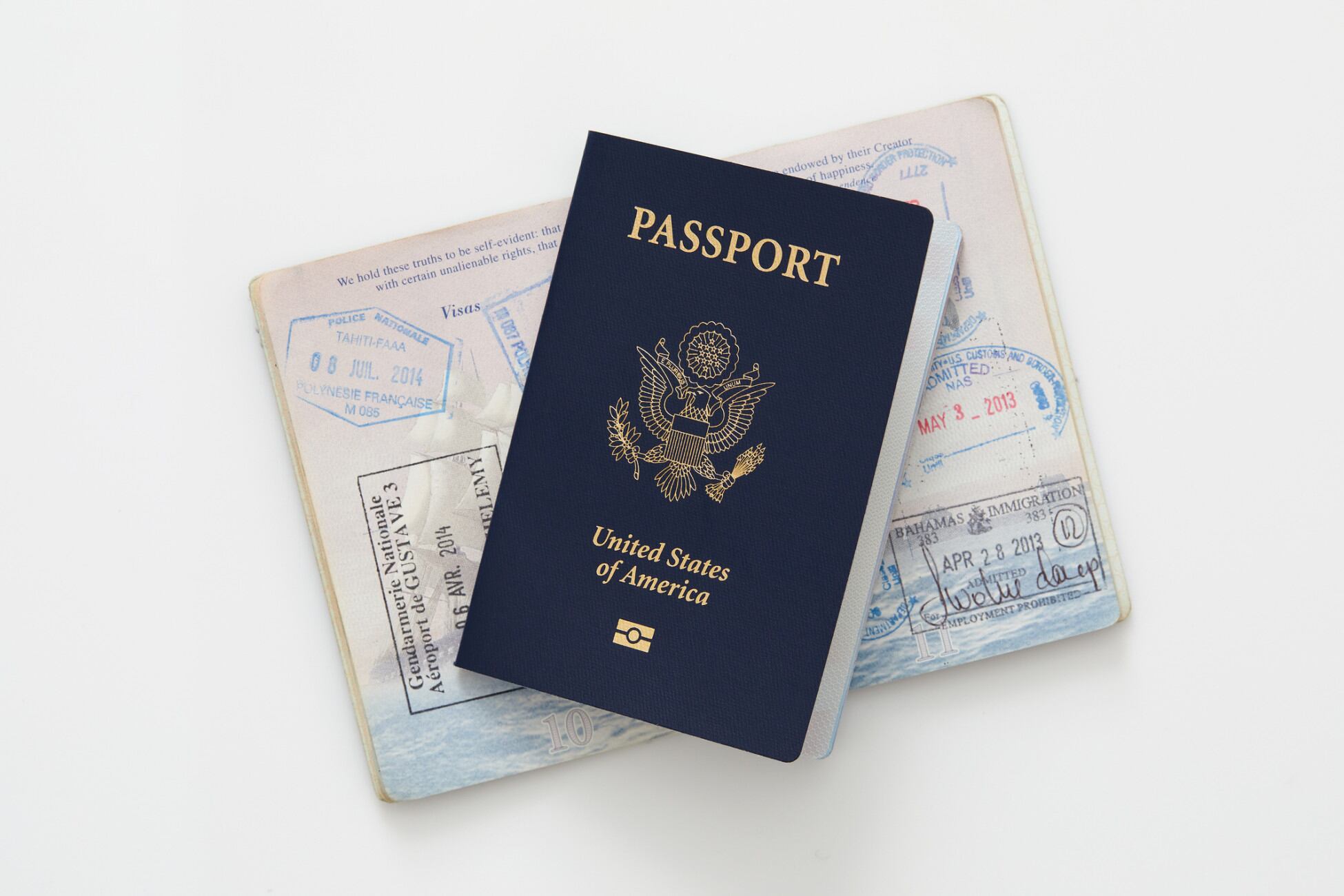
Have you been hearing about all the passport delays that are currently affecting travelers around the U.S? If you're in a rush to get your passport, it could cost you hundreds of dollars. So to protect your dollar, we brought in travel expert Francesca Page to give some tips on how to avoid extra fees for expedited passports down the line.
While it's already July, there's still time to plan those last minute summer vacations. and we've got expert tips that can help you save. Consumer Reporter Janice Lieberman has more.
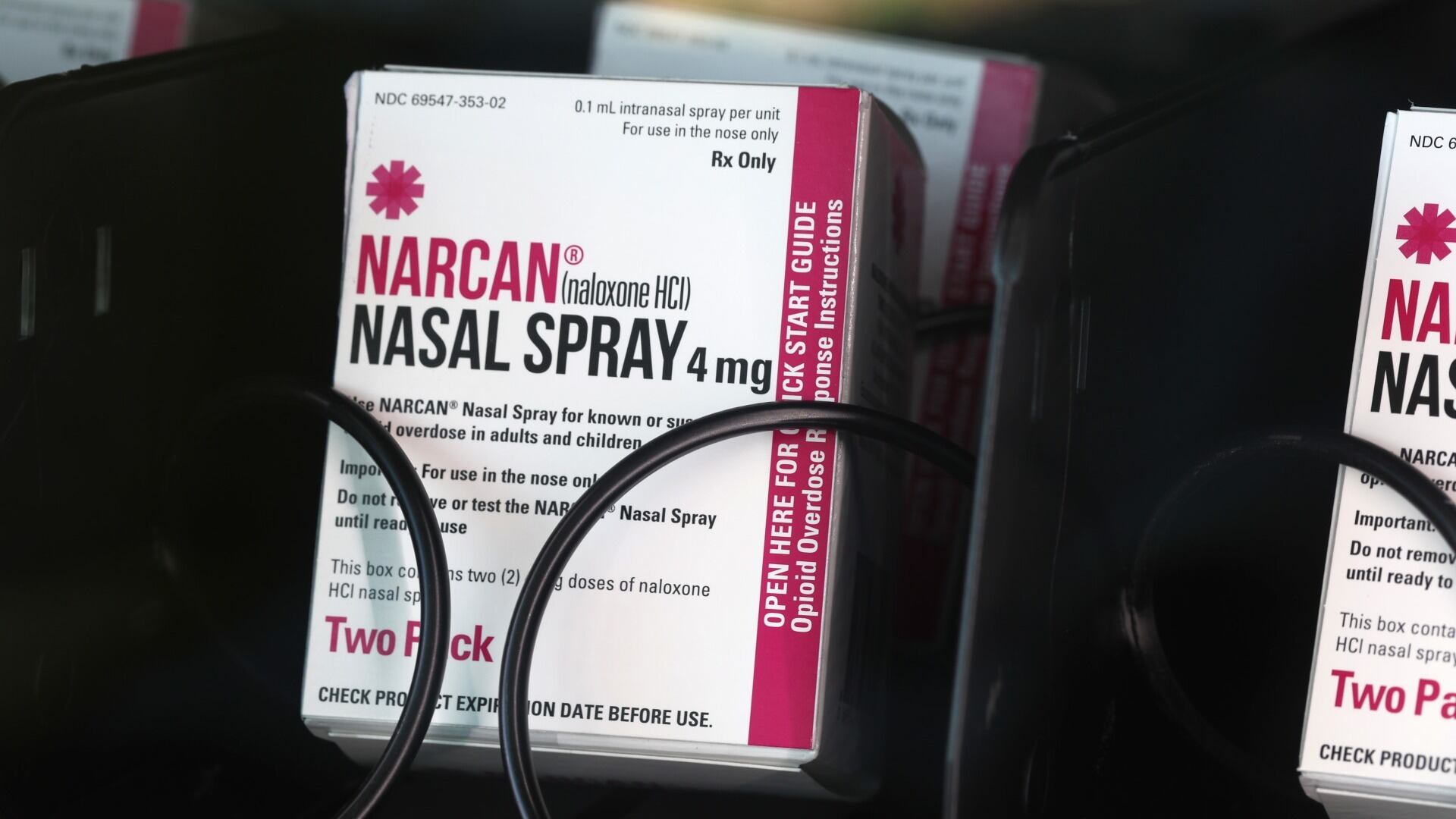
New York City has debuted its first vending machine for drug overdose treatment Narcan, but for some reason, not everyone is on board with this progressive community offering. Cheddar's own Ashley Mastronardi explored this complex issue.
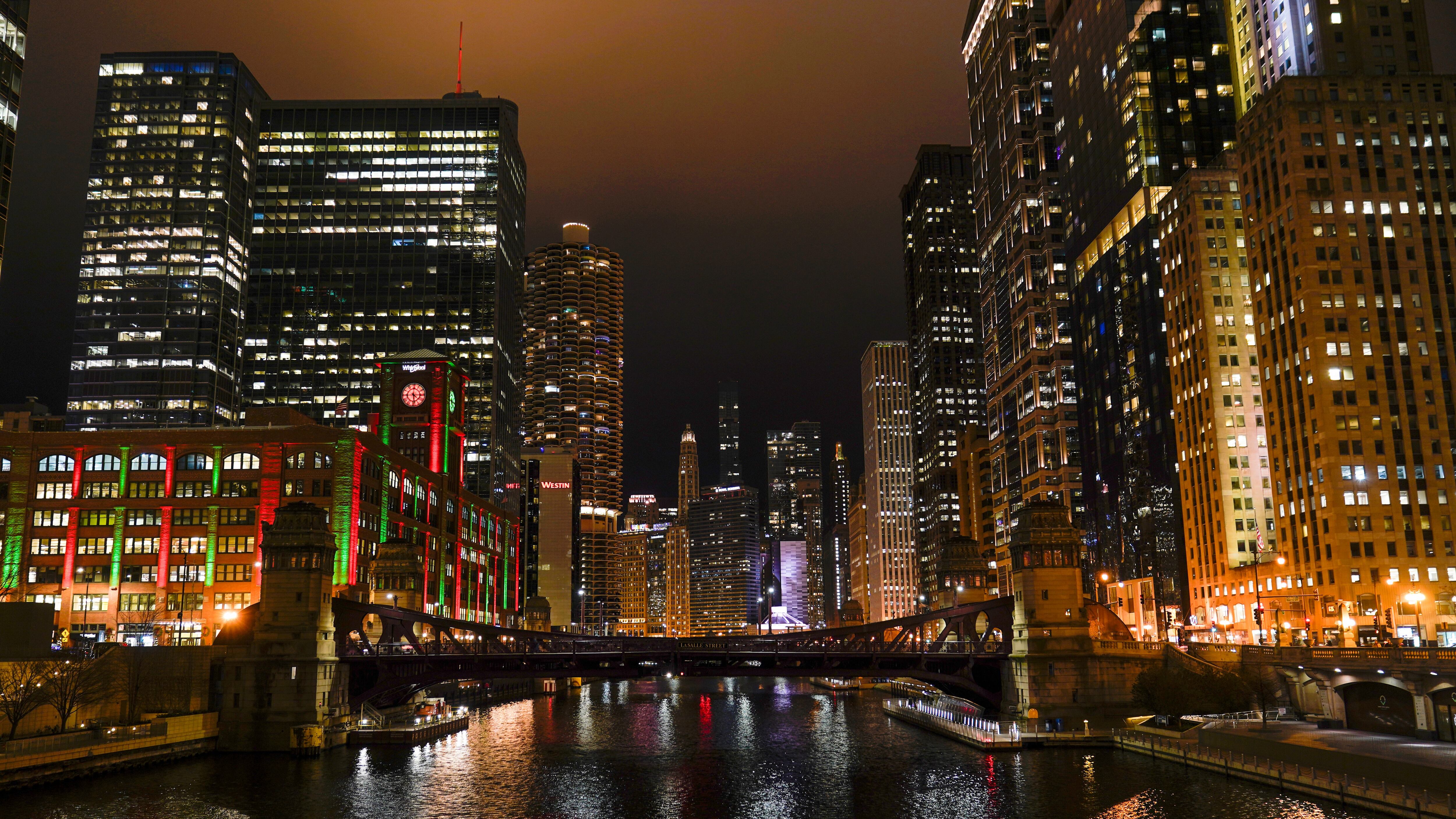
A new study shows that there could be an unexpected side effect of climate change happening right under your feet. Researchers at Northwestern University used temperature sensors underground across Chicago and found that the city's concrete structures (think parking garages, basements, or train tunnels) are absorbing heat from rising temperatures, and it's causing the city to slowly sink.