The House of Representatives overwhelmingly passed the $2.2 trillion coronavirus aid package Friday afternoon, but what was expected to be a smooth confirmation process devolved into a mad dash in the Capitol after one of the House’s own threatened to derail the vote with a procedural objection.
Rep. Thomas Massie (R-Ky. 4th Dist.) announced he would call for a recorded vote, which requires quorum — 216 members — to pass the relief bill. Lawmakers who had left Washington rushed back to make sure there were enough representatives to make a quorum, many of them furious about the health risk of traveling and meeting in a large group.
When Massie stood up to request the recorded vote during Friday’s session, he was the only member to do so. With quorum met, the bill was permitted to pass by voice vote, which it did to cheers from the socially-distanced House members. The bill will now go to the president’s desk for his signature.
In the absence of remote voting, House Speaker Nancy Pelosi had tried to give members the option to stay home by calling for a voice vote. That plan would have allowed most members, many in the high-risk category for coronavirus complications, to stay home while still providing a forum for members who wanted to speak on the floor. C-SPAN had even agreed to provide air time for members to broadcast short video statements if they did not wish to return to Washington D.C.
House members, instead, debated while staying as far from each other as possible, with members standing in doorways, stairwells and even on the upper floor.
Two RollColl reporters compiled a spreadsheet to keep track of which members had returned, and how they arrived in D.C. As of 1 pm ET Friday, it had been noted that at least 11 members had driven, some of whom said they had been on the road all night.
One of those members, Rep. Haley Stevens (D-Mich.11th Dist.) made a nearly nine-hour drive overnight and said “I rise for every American who is scared now,” raising her voice on the floor as a gavel signaled her time was over. Stevens, showing the latex gloves on her hands, said she wore them “not for personal attention, but to encourage you to take this disease seriously.” Her district is just outside Detroit, one of the regions dealing with an outbreak.
“You will see darkness. You will be pushed. And our society needs you to stand together at this time,” she said.
Massie did seem to bring together politicians across the aisle in their anger. President Trump called Massie a “third rate Grandstander” and former Secretary of State John Kerry said “congressman Massie has tested positive for being an asshole.”
Carlo and Baker cover the latest developments with the Omicron variant, and break down what we know and what we still don't. Plus, a relatively tame Black Friday, and more.
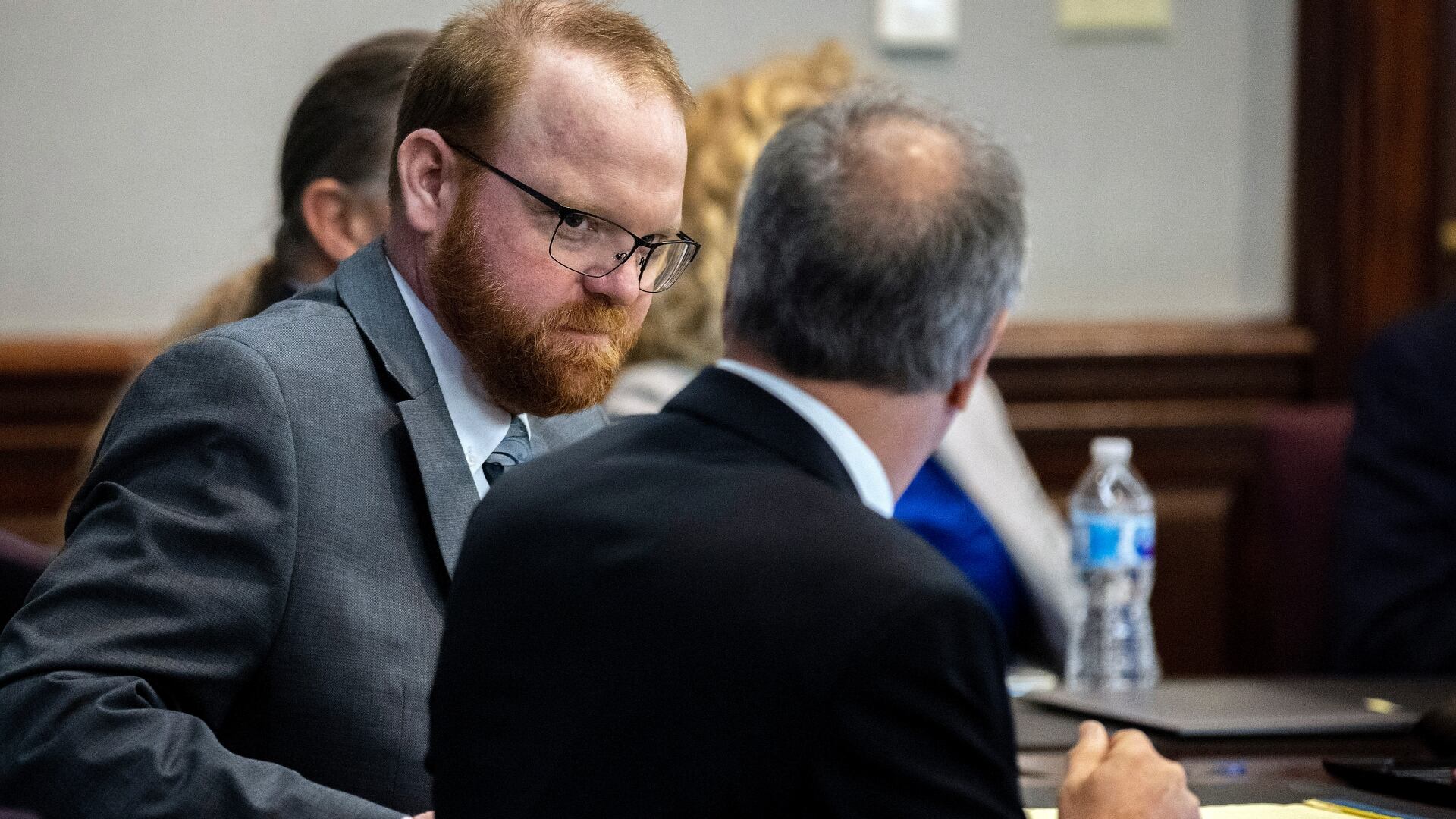
Jurors on Wednesday convicted the three white men charged in the death of Ahmaud Arbery, the Black man who was chased and fatally shot while running through their Georgia neighborhood in an attack that became part of the larger national reckoning on racial injustice during the summer of 2020. Trial attorney and former prosecutor Leslie Ricard Chambers joins Cheddar News' Closing Bell to discuss the verdict, possible sentencing, and more.
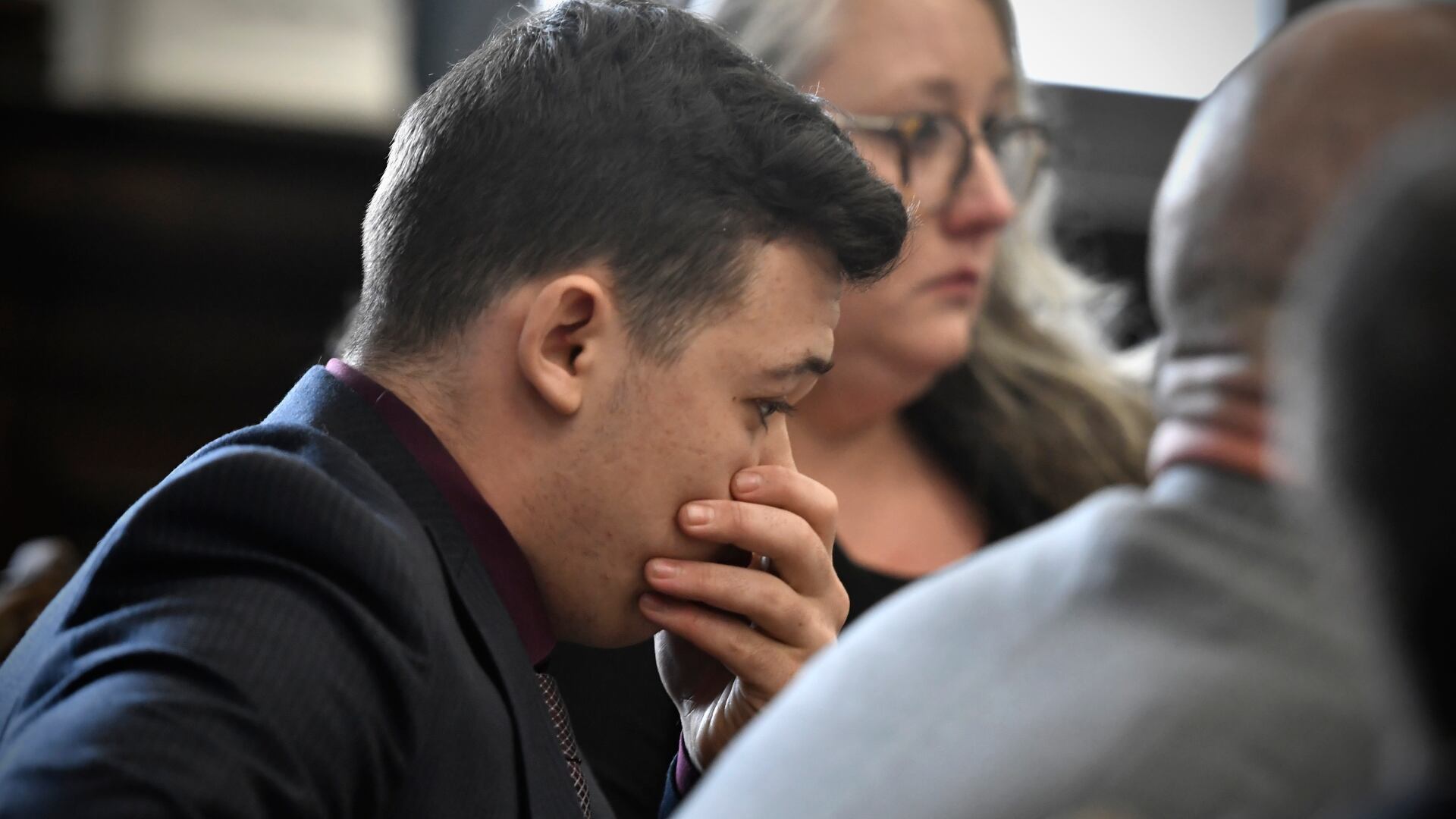
Kyle Rittenhouse was acquitted of all charges Friday after pleading self-defense in the deadly Kenosha shootings that became a flashpoint in the debate over guns, vigilantism and racial injustice in the U.S. Criminal Defense Attorney Anthony Tall joins Cheddar News' Closing Bell to discuss the verdict, potential judicial precedent, and more.
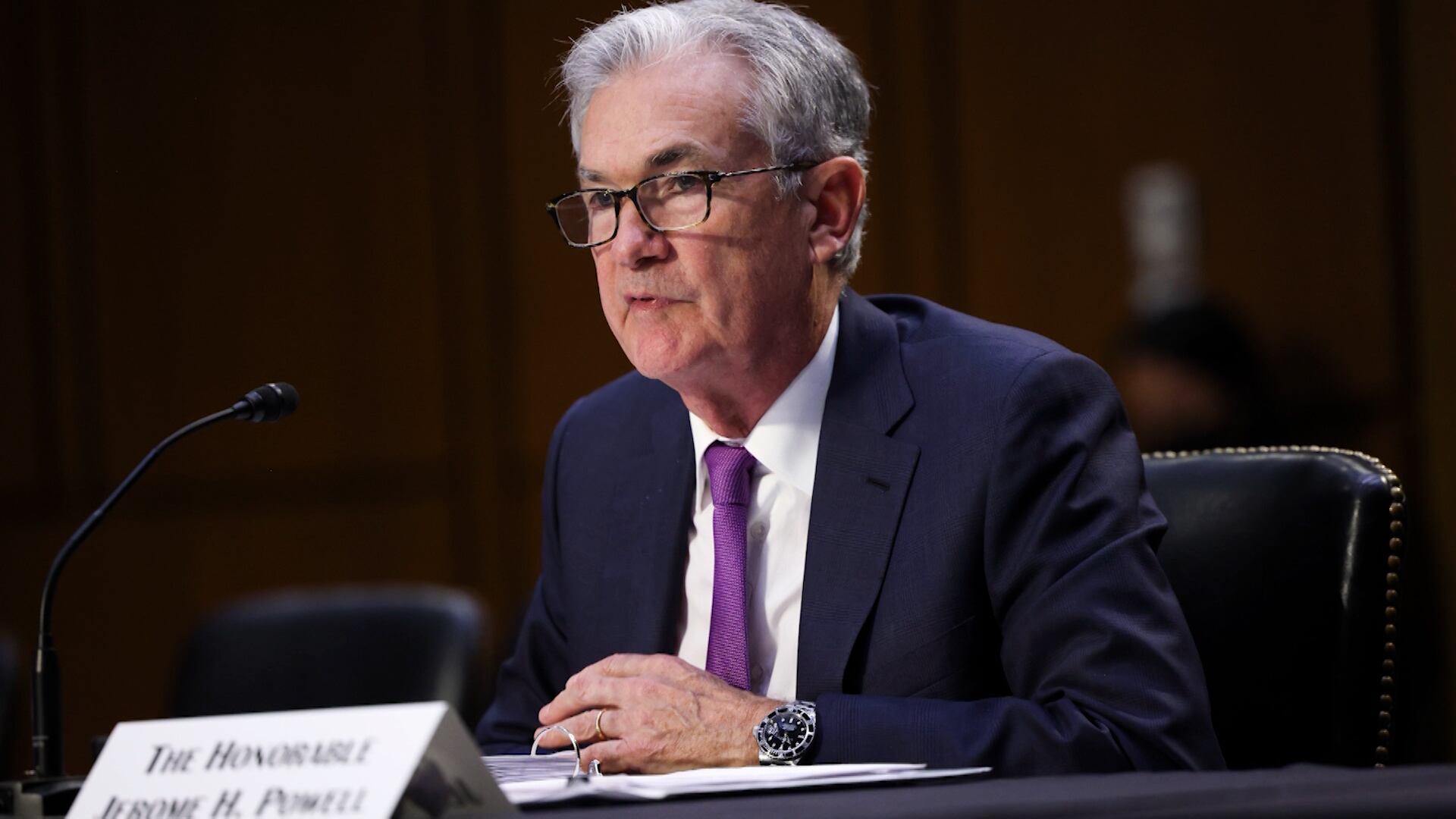
President Biden has announced his intent to nominate Fed chair Jerome Powell for another four-year term, with Lael Brainard serving as vice chair. This comes at a crucial time for the economy as inflation is surging, the supply chain is broken, and labor shortages are hampering businesses across the country. Sabrina Escobar, reporter for Barron's, discusses why Biden passed up the opportunity to put the central bank in the hands of a Democrat, and what challenges Powell faces in his second term.
Jill and Carlo are a bit delayed today on account of Carlo's internet not working. Better late than never, they discuss what we know about the suspect in the Christmas parade crash, closing arguments in the Arbery killing trial, and more.
Stocks began the week closing at session lows on a day when bond yields rose and President Biden decided to stick with Jerome Powell as Fed Chair. Bryan Lee, Chief Investment Officer at Blue Zone Wealth Advisors, joins Cheddar News' Closing Bell, where he breaks down the day's activity and discusses what the Fed now needs to do going forward.
President Joe Biden announced Monday he is re-nominating Federal Reserve Chairman Jerome Powell after weeks of speculation that he would choose Democrat and Fed Governor Lael Brainard to fill the role. Biden could be looking for continuity as the U.S. continues to grapple with COVID-19 and high inflation, and investors could be on the same page: markets and treasuries ticked up after the White House made the announcement. MarketWatch Senior Reporter Greg Robb joins Cheddar News' Closing Bell to discuss Powell's re-nomination, what we can expect from the Fed's December meeting, whether it will speed up its taper timeline, and more.