Will the Gun Debate Mean Regulation on Video Games?
With a major question mark still hanging over the possibility of meaningful gun reform, President Donald Trump may be turning his attention to regulating video game makers instead.
The commander-in-chief will [reportedly](http://thehill.com/policy/technology/376836-white-house-to-hold-meeting-with-video-game-industry-on-thursday) meet with industry executives on Thursday to discuss their role in preventing violent behavior.
But New York Magazine Select All Associate Editor Madison Malone Kircher says game makers are not the problem.
“Studies have shown there really is no connection between violent video games and violent actions,” she told Cheddar Monday. “The American Psychological Association came out a year ago and said to politicians and to the media [to] stop equating the two. There’s a link to a rise in slight aggression, but there’s insufficient evidence to say that these games lead to violent gun deaths.”
In a meeting with survivors of last month’s Parkland, Fla., shooting and other attacks, Trump suggested first-person shooter games and other seemingly violent content should be subject to a ratings system. One does already exist.
And Malone Kircher says Thursday’s confab is unlikely to result in more constraints on a system that’s already so highly regulated.
“It’s a pretty stringent system as it is now,” she said. “This has been through the Supreme Court. California in 2011 ruled that you can continue to sell these games to kids, and that was fine.”
For the full interview, [click here](https://cheddar.com/videos/inside-trumps-flip-flop-on-gun-reform).
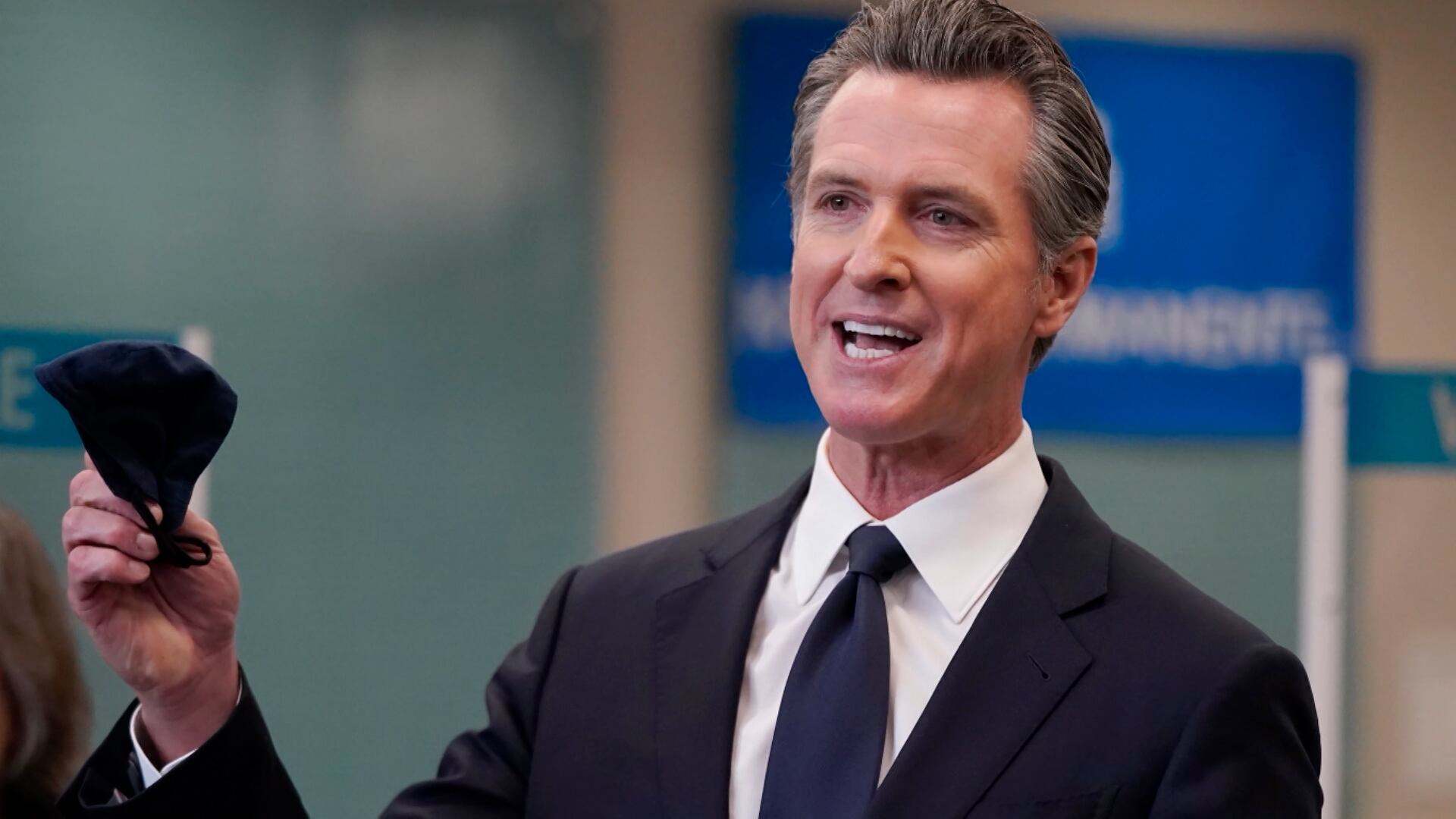
California Governor Gavin Newsom is projected to keep his job. Around two-thirds of the votes have been reported, and roughly 64% of those votes are in favor of keeping Newsom as their governor.
Daniel Strauss, senior political correspondent at The New Republic, joined Cheddar's Opening Bell to discuss more about what Newsom's win means to both political parties moving into Midterm elections season.
The Department of Justice is suing Texas over the state's new abortion law that prohibits abortions after six weeks, well before many women even know they're pregnant. The lawsuit argues the law is unconstitutional under long-standing Supreme Court precedent. It was filed last week in federal court in Texas, but could go all the way to the high court within weeks. Josh Blackman, a constitutional law professor at South Texas College of Law Houston, discusses the DOJ lawsuit and what it could mean for other abortion laws across the country.
26 states have now fully vaccinated more than half of their population with Vermont, Connecticut, and Massachusetts fully vaccinating at least two-thirds of their residents. These three states are among the ones with the lowest new Covid-19 cases per capita, but in states with low vaccination rates, hospitals are filling up again.
Dr. Rob Davidson, ER doctor and executive director of Committee to Protect Health Care, joined Cheddar's Opening Bell to discuss more.
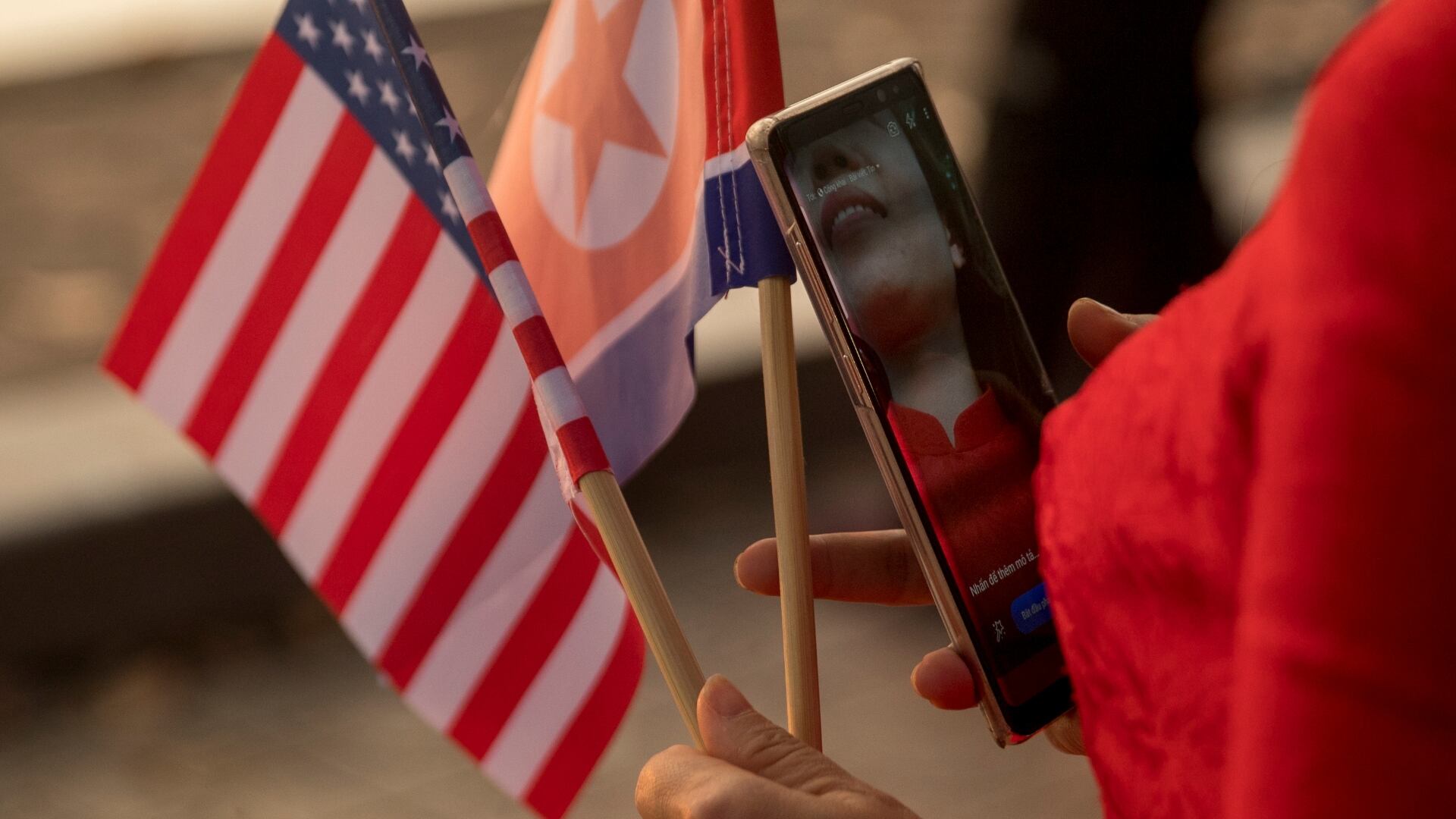
The Biden Administration has officially extended a ban on a Trump-era policy that prohibits traveling with a U.S. passport to North Korea. The extension is expected to last until August 2022. The ban was initially enforced after the death of Otto Warmbier, who entered a vegetative state while in North Korean custody. Advocates against the ban argue that it has caused crippling impacts on Korean Americans who have not been able to reunite with their families back home. Senior Fellow at The Foundation For Defense of Democracies Anthony Ruggiero joined Cheddar's News Wrap to discuss more.