Spotify’s opening number seemed to be music to the market’s ears…at least at first.
The streaming company made its debut on the New York Stock Exchange Tuesday afternoon at more than $165 a pop, pegging its valuation at roughly $29.5 billion.
Over the course of the day, though, that price slipped to about $149, down about 12 percent from the highs of the day, but still well above the $132 a share reference price.
Spotify’s unconventional choice of a direct listing, instead of a traditional IPO, had investors and experts bracing for a roller-coaster ride on Tuesday.
“I thought we were going to see a lot of spikes up and down and up and down,” said Dan Primack, business reporter at Axios. But “it hasn’t been all over the place.”
This smoother-than-expected listing raises the question of whether more companies will follow in Spotify’s footsteps in the future.
“It’s not the right path for all,” Stacey Cunningham, COO of the New York Stock Exchange, told Cheddar before the stock started trading. “There are some unique factors for [Spotify].
“They don’t need to raise capital, so going through the IPO process isn’t something that was important to them.”
Spotify was much more interested in “providing that liquidity event for their shareholders...to have a currency...to do additional M&A deals going forward,” explained Cunningham.
So what’s in store for Spotify’s future?
Fam Mirza, one of the company’s earlier investors, told Cheddar he wouldn’t sell his shares in the listing, because he has faith in where the company is headed.
“They’re so amazing at entering new markets...They can still scale it, and then they get to those bottom line revenues.”
Mirza also doesn’t consider Apple, even as it gains ground in the space, as a real threat. After all, he pointed out, the tech giant has had plenty of opportunity to overtake it.
“Everybody has an iPhone. So as soon as Apple launched Apple Music...why hasn’t every single person who has an iPhone signed on to Apple Music?”
For the full interview, [click here](https://cheddar.com/videos/spotifys-unique-relationship-with-wall-street).
The Google cheif Sundar Pichai opened the company's annual developer conference by addressing the burger emoji's misplaced cheese and the beer emoji's floating foam. It shows how seriously users take pictorial communication that Pichai would kick off his keynote by talking about emojis, says Jeremy Burge, chief emoji officer at Emojipedia.
The tech company announced on Monday that it will spend around $25 million over five years to support developers designing tools that will make lives easier for people with disabilities. "For the most part, this is just about possibility," says Rob Marvin, [associate features editor at PCMag.](https://www.pcmag.com/feature/360886/microsoft-build-all-the-news-you-need-to-know/)
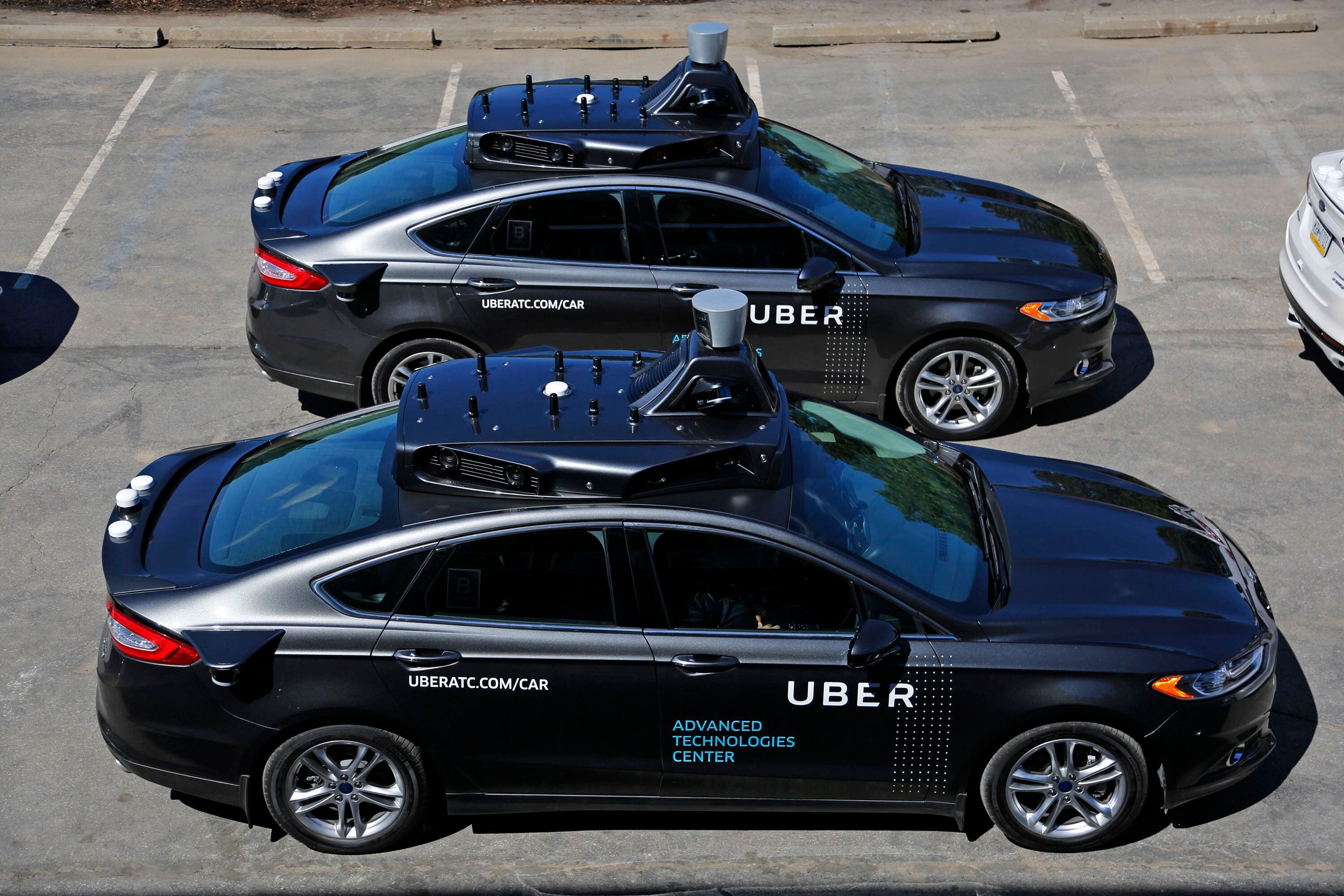
Uber said that its self-driving system was to blame when one of its cars killed a pedestrian in March. But the ride-hailing company is still pushing forward with autonomous technology development, with plans to launch driverless, flying taxis in the next few years. Those will start off piloted, and the company will coordinate with the Federal Aviation Administration to ensure safety, says Nikhil Goel, head of product and advanced programs at Uber.
The giant retailer last year launched Store 8, a tech incubator that will help Walmart innovate and compete in the future, says the founder of Jet.com and Walmart's head of e-commerce.
Rob Marvin, associate features editor for PCMag, discusses the biggest announcements from Microsoft's Build conference. Marvin weighs in on Microsoft introducing AI for Accessibility, an integration between its digital assistant Cortana and Amazon Alexa.
When it comes to robots, our threshold for errors is much lower than it is with humans, says Sam Lessin, co-founder of Fin, a digital assistant service that relies on human know-how to book your travel plans, shop online, or even schedule your appointments. To overcome users' skepticism, a virtual assistant must build trust through "repeated success," he says.
The modern customer likes renting clothes because it is environmentally friendly and offers more variety, says Evan Clark, Deputy Managing Editor at WWD. In the future, people will lean in on the idea of "having fewer, better things," he says.
E-commerce today exists primarily for speed and convenience. Jet.com wants to change that. "We really want to bring back the positive emotion that came with shopping all along," says David Echegoyen, the online retailer's chief customer officer.
The social media app said Drew Vollero would resign his position, effective May 15, and be replace by Amazon's Tim Stone, who'd been with the e-commerce giant since 1998.
The modern consumer "wants the right product, at the right time, in the right way,” says Christine Hunsicker, CEO of Gwynnie Bee, a subscription clothing rental service.