Spotify’s opening number seemed to be music to the market’s ears…at least at first.
The streaming company made its debut on the New York Stock Exchange Tuesday afternoon at more than $165 a pop, pegging its valuation at roughly $29.5 billion.
Over the course of the day, though, that price slipped to about $149, down about 12 percent from the highs of the day, but still well above the $132 a share reference price.
Spotify’s unconventional choice of a direct listing, instead of a traditional IPO, had investors and experts bracing for a roller-coaster ride on Tuesday.
“I thought we were going to see a lot of spikes up and down and up and down,” said Dan Primack, business reporter at Axios. But “it hasn’t been all over the place.”
This smoother-than-expected listing raises the question of whether more companies will follow in Spotify’s footsteps in the future.
“It’s not the right path for all,” Stacey Cunningham, COO of the New York Stock Exchange, told Cheddar before the stock started trading. “There are some unique factors for [Spotify].
“They don’t need to raise capital, so going through the IPO process isn’t something that was important to them.”
Spotify was much more interested in “providing that liquidity event for their shareholders...to have a currency...to do additional M&A deals going forward,” explained Cunningham.
So what’s in store for Spotify’s future?
Fam Mirza, one of the company’s earlier investors, told Cheddar he wouldn’t sell his shares in the listing, because he has faith in where the company is headed.
“They’re so amazing at entering new markets...They can still scale it, and then they get to those bottom line revenues.”
Mirza also doesn’t consider Apple, even as it gains ground in the space, as a real threat. After all, he pointed out, the tech giant has had plenty of opportunity to overtake it.
“Everybody has an iPhone. So as soon as Apple launched Apple Music...why hasn’t every single person who has an iPhone signed on to Apple Music?”
For the full interview, [click here](https://cheddar.com/videos/spotifys-unique-relationship-with-wall-street).
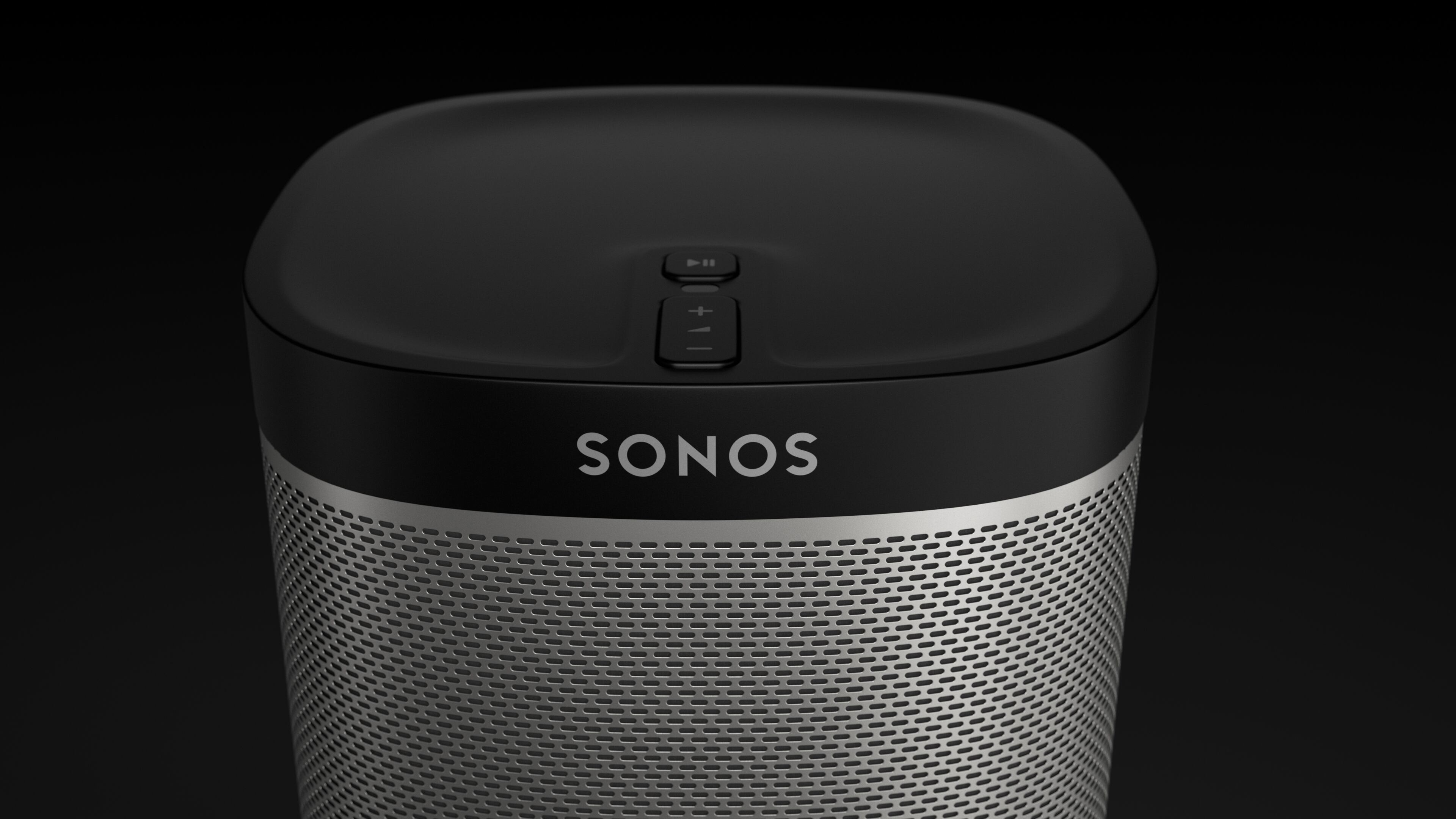
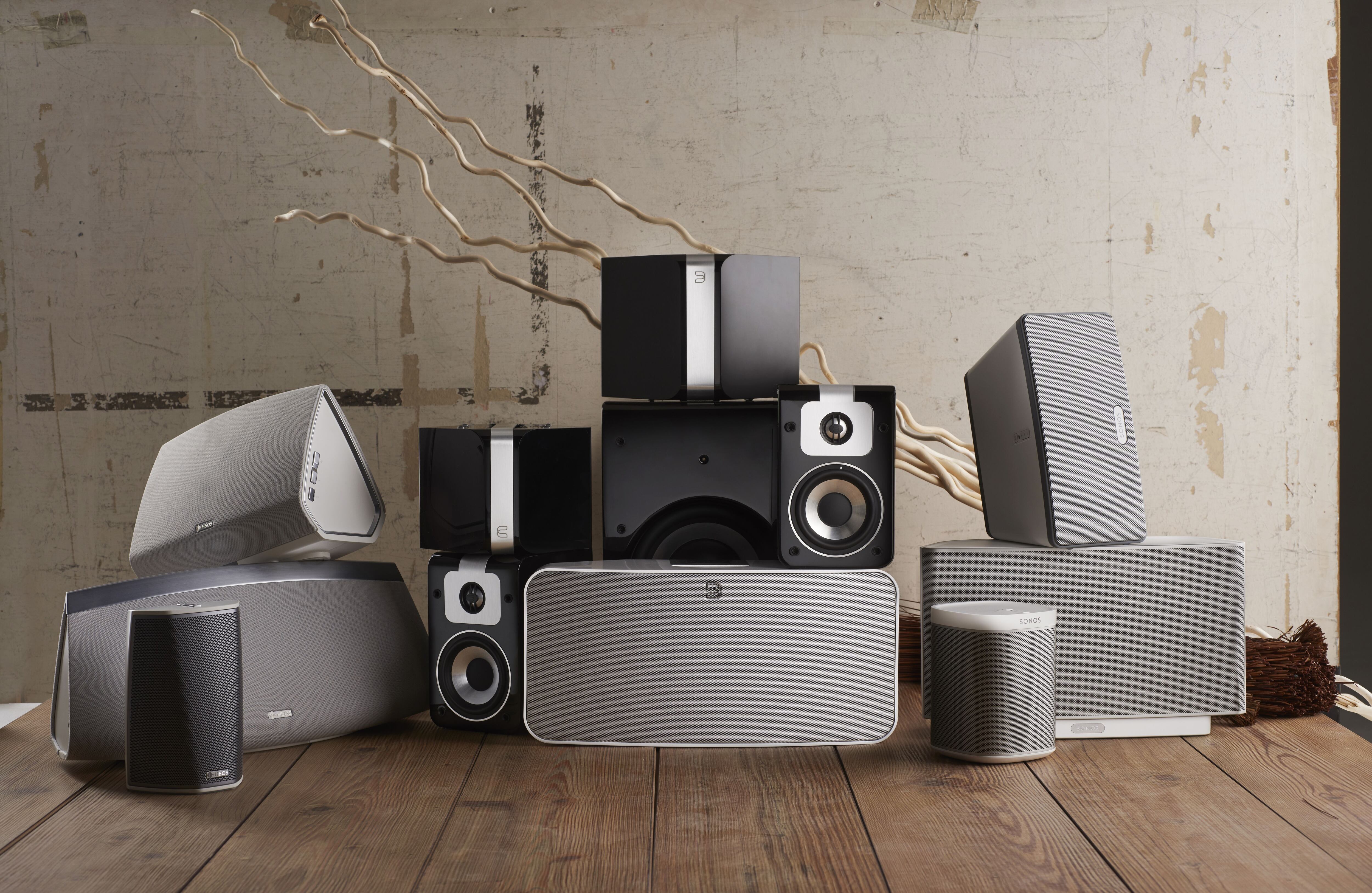
Speaker maker Sonos went public Thursday, putting up almost 14 million shares for sale. Rob Marvin, associate features editor at PC Mag, breaks down what sort of competition and challenges the company will face moving forward.
These are the headlines you Need2Know for Thursday.
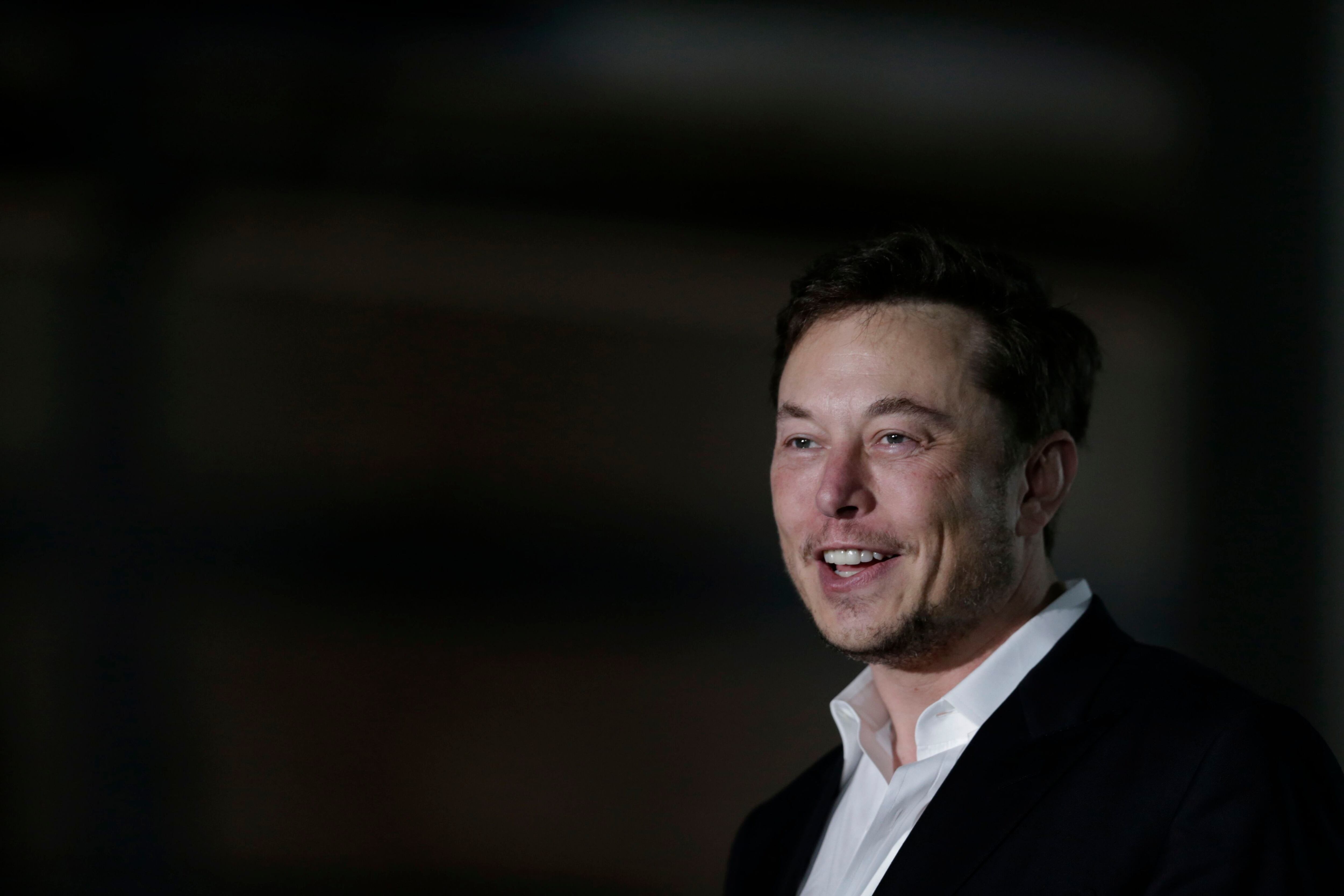
Tesla posted a bigger than expected loss, but CEO Elon Musk promises that by next quarter, the electric carmaker will turn a profit. Musk also apologized for his rude behavior during the first quarter earnings call, and investors seemed to accept his apology, as shared jumped after his comments.
Citibank is exploring various crypto products that it could offer retail customers, Cheddar has learned. Juliana Berger, a senior vice president of product in Citi’s mobile bank division, is overseeing the secretive initiative.
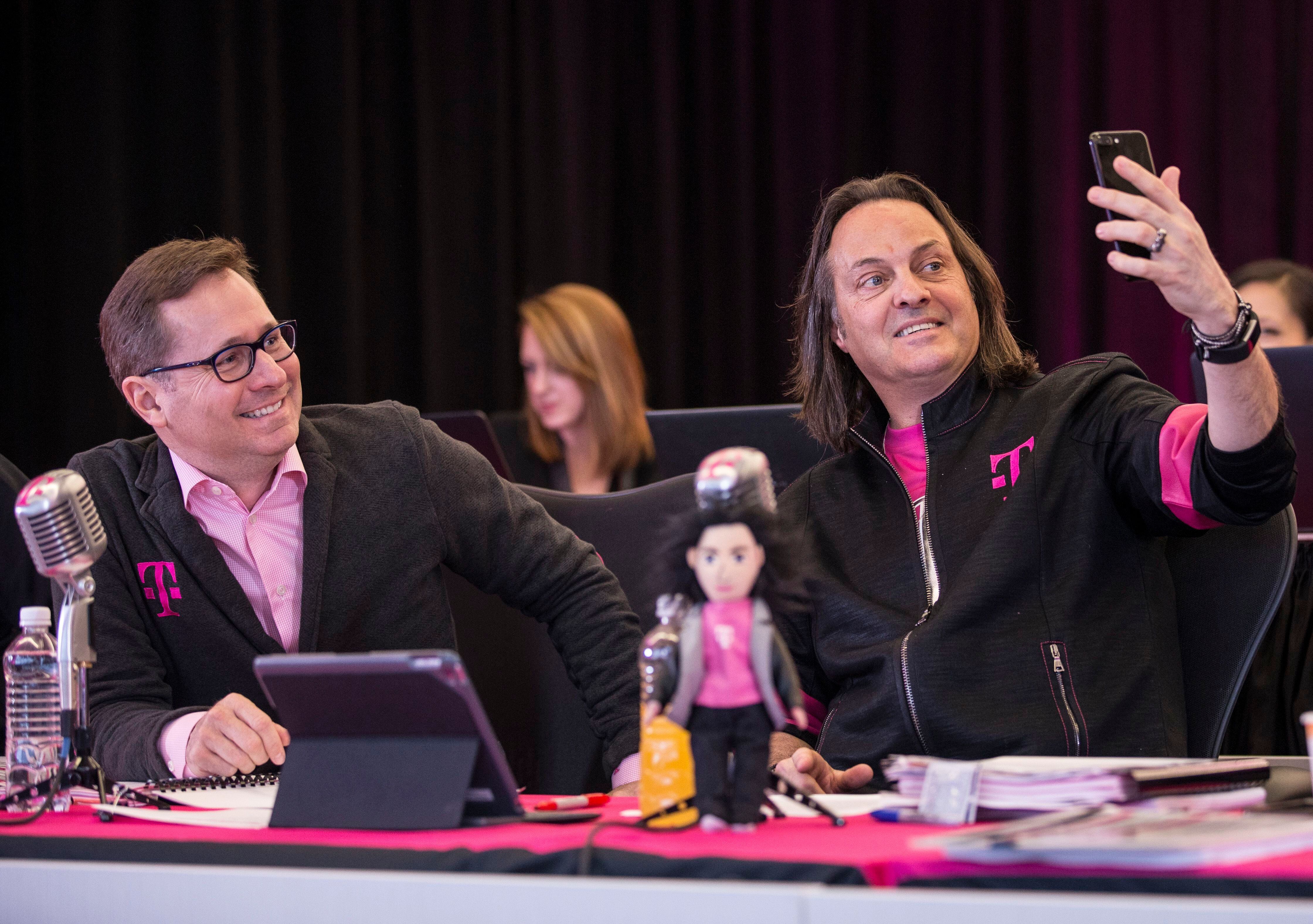
Mike Sievert, President and COO of T-Mobile U.S., joins Cheddar after the company's earnings report. He says that if the proposed merger with Sprint goes through, the combined companies will have seven times the wireless capacity they do individually and could actually increase competition in the field.
The electric automaker said most factories would hit a run rate of 10,000 of the mass-market vehicles a week by the end of the year, suggesting the company could be on the path to achieving profitability. The company did still report a wider loss than expected for the current quarter, but it said it burned through less cash than in the first quarter.
Ed Sclater and Farhad Farahbakhshian, co-founders of Naked Labs, sat down with Cheddar on Wednesday to discuss the company's latest $14 million in Series A funding and the launch of its newest product, the industry's first at-home body scanner.
The home speaker company makes its debut on the Nasdaq Thursday, but with plenty of competition and what's largely considered to be just one true productーnot to mention the threat of a trade warーSonos faces plenty of challenges in its IPO.
Facebook announced this week it removed 32 pages and accounts suspected of midterm election tampering. But New York Times reporter Kevin Roose tells Cheddar there's still not a lot of information about who's behind the meddling.
Walmart's tech incubator, Store No. 8, is entering the virtual- reality market. Katie Finnegan, CEO and co-founder of virtual reality start-up Spatialand and founding principal of Store No. 8, discussed the future of VR shopping on Cheddar Wednesday.