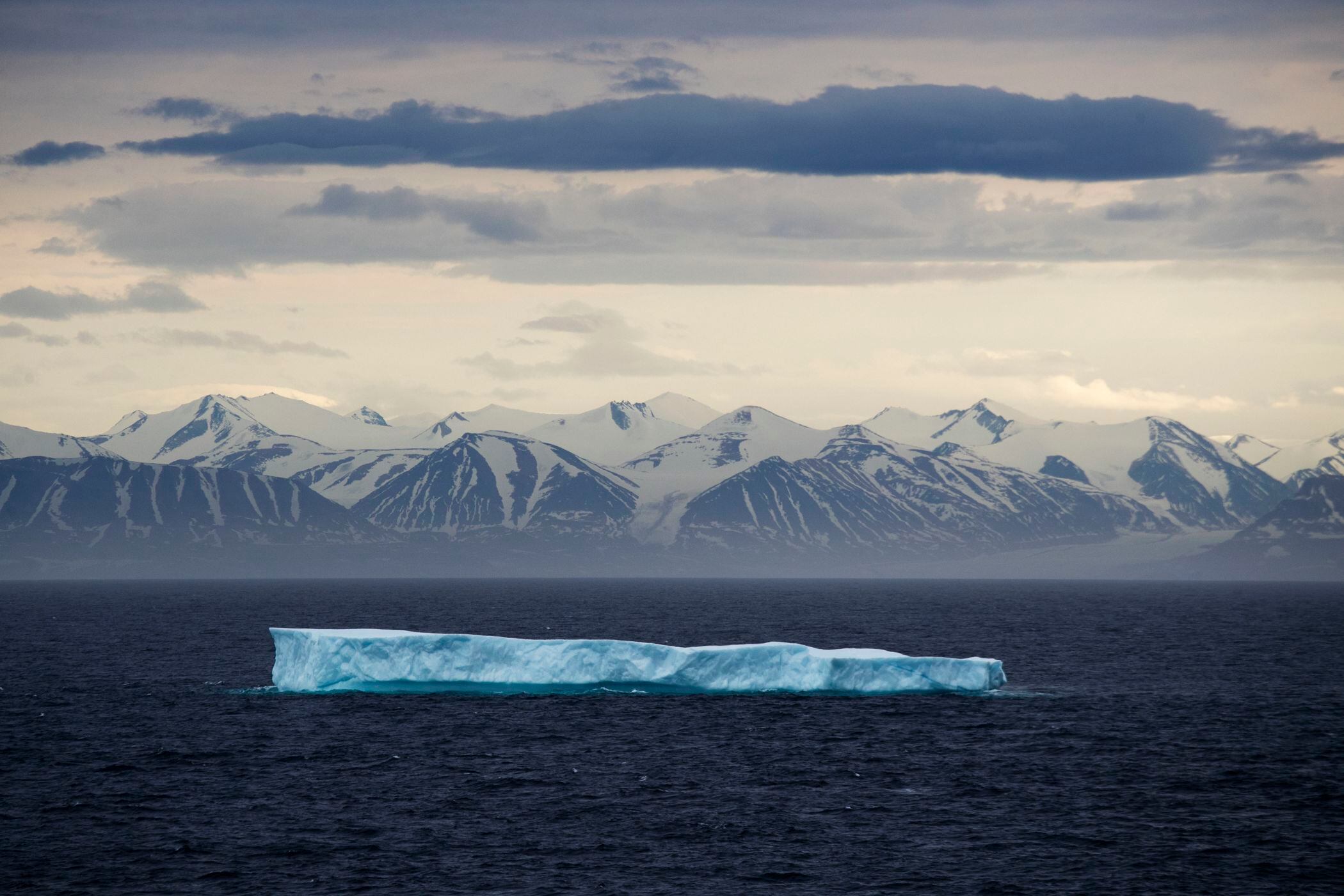
In this July 24, 2017 file photo, an iceberg floats past Bylot Island in the Canadian Arctic Archipelago. The National Oceanic and Atmospheric Administration’s annual Arctic Report Card, released on Tuesday, Dec. 8, 2020, shows how warming temperatures in the Arctic are transforming the region's geography and ecosystems. (AP Photo/David Goldman, File)
By Christina Larson
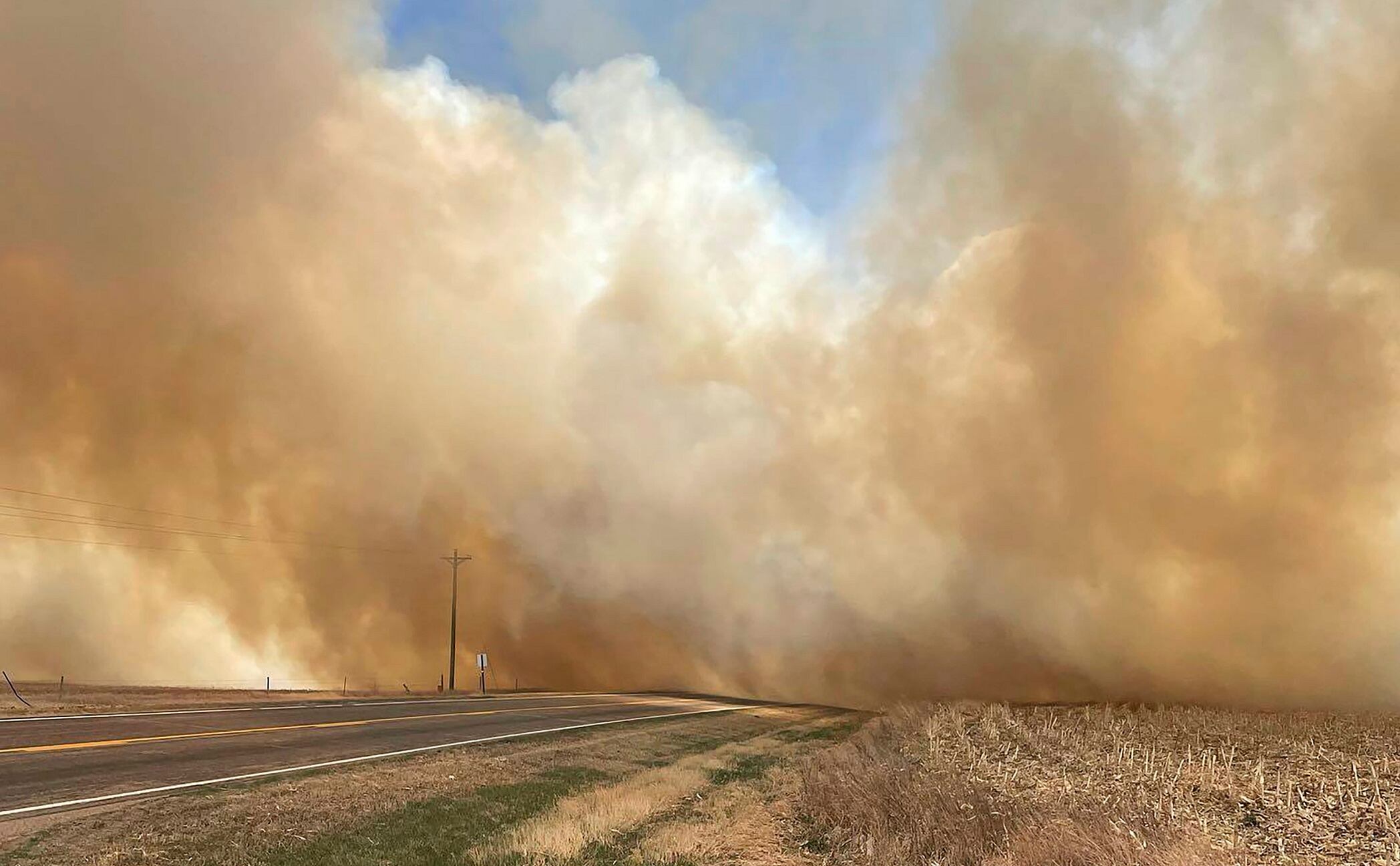
This year's vast wildfires in far northeastern Russia were linked to broader changes in a warming Arctic, according to a report Tuesday by the National Oceanic and Atmospheric Administration.
Wildfires are a natural part of many boreal ecosystems. But the extent of flames during the 2020 fire season was unprecedented in the 2001-2020 satellite record, and is consistent with the predicted effects of climate change, said Alison York, a University of Alaska Fairbanks fire scientist and a contributor to the annual Arctic Report Card.
The recent wildfires were exacerbated by elevated air temperatures and decreased snow cover on the ground in the Arctic region, the report found.
The past year — from October 2019 to September 2020 — was the second warmest on record in the Arctic, the report said. And the extent of snow on the ground in June across the Eurasian Arctic was the lowest recorded in 54 years.
Under those conditions, trees and plants “are just more flammable,” said York.
“The Arctic isn’t just this collection of components, it’s really an integrated system,” said Dartmouth sea ice scientist Don Perovich, who contributed to the report. "When something happens to one part of the system, it has cascading effects," he said.
Satellites recorded the second lowest extent of sea ice in September since record-keeping began 42 years ago, the report found.
Melting ice is both a result of increased temperatures and an accelerator of further changes, Perovich said. “As sea ice thins, more light can penetrate into the ocean, with unclear impacts for ecosystems,” he said.
As snow and ice cover decreases, the land and ocean surfaces also absorb more heat.
“Changes in the Arctic climate are important because the Arctic acts as a refrigerator for the rest of the world — it helps cool the planet,” said Lawrence Mudryk, a report contributor and a climate scientist at Environment and Climate Change Canada, a governmental research group.
“How much of the Arctic continues to be covered by snow and sea ice reflects part of how efficiently that refrigerator is working,” he said.
Last year's report included essays and research contributed by the Arctic's Indigenous communities for the first time. But in 2020, close collaboration between visiting scientists and Indigenous communities was not possible because of travel restrictions related to COVID-19.
Report contributor Matthew Druckenmiller, a climate scientist at the University of Colorado Boulder, said efforts to involve Indigenous communities would resume after the pandemic subsides.
The consequences of a warming Arctic are already felt far beyond the region.
“The Arctic continues to be a warning siren of how our Earth system is changing and it is important for policymakers and the public to understand that the impacts don’t stay in the Arctic with the polar bears,” said University of Georgia meteorology professor Marshall Shepherd, who was not involved in the report.
“We feel them, too, through changes in our weather patterns, sea level rise, and fisheries."
___
The Associated Press Health and Science Department receives support from the Howard Hughes Medical Institute’s Department of Science Education. The AP is solely responsible for all content.
The 2022 County Health Rankings largely found that the pandemic worsened the burdens faced by women, people of color, and in low income brackets. Cheddar News speaks with Sheri Johnson, co-director of County Health Rankings and Roadmaps who breaks down the details.
With National Infertility Awareness Week underway, the fertility and family-building benefits provider for employers, Kindbody, is looking to make a full suite of treatments and care accessible — including for LGBTQ+ patients. Founder and chairwoman Gina Bartasi joined Cheddar's Opening Bell to talk about the importance of infertility awareness, what role employers play in offering benefits, and how to remove the stigma around the fertility conversation. "We have to talk about the patient holistically, not just fertility services, but what can we do from a mental health standpoint to support patients," she said. "Most patients talk about fertility being more stressful than divorce, infertility being more prevalent than cancer or diabetes. So it is our mission, remains our mission, to elevate awareness around infertility, not just [during] National Infertility Awareness Week."
New York City’s geography makes it particularly at risk to the impacts of climate change - like rising seas and subsequent flooding. The city has already experienced the effects of increasingly severe weather. In response, the city is building a plan to protect itself, from flood walls, to levees, to redesigning its coast.
With mask mandates lifted across various parts of the country, healthy indoor air quality in public spaces is more crucial than ever before. According to the CDC, proper ventilation, in addition to other preventative measures, is instrumental to preventing the rapid spread of covid-19 indoors. As the push for higher air quality ramps up, AtmosAir is providing a high-tech solution for cleaner, greener air indoors. Steve Levine, CEO, AtmosAir, joined Cheddar’s Opening Bell to discuss.
Catching you up on what you need to know on April 27, 2022, with Tesla stocks absorbing an initial hit following Elon Musk's purchase of Twitter, Russia pausing its natural gas supplies to Poland and Bulgaria, NASA's SpaceX Crew-4 mission taking off, and more.
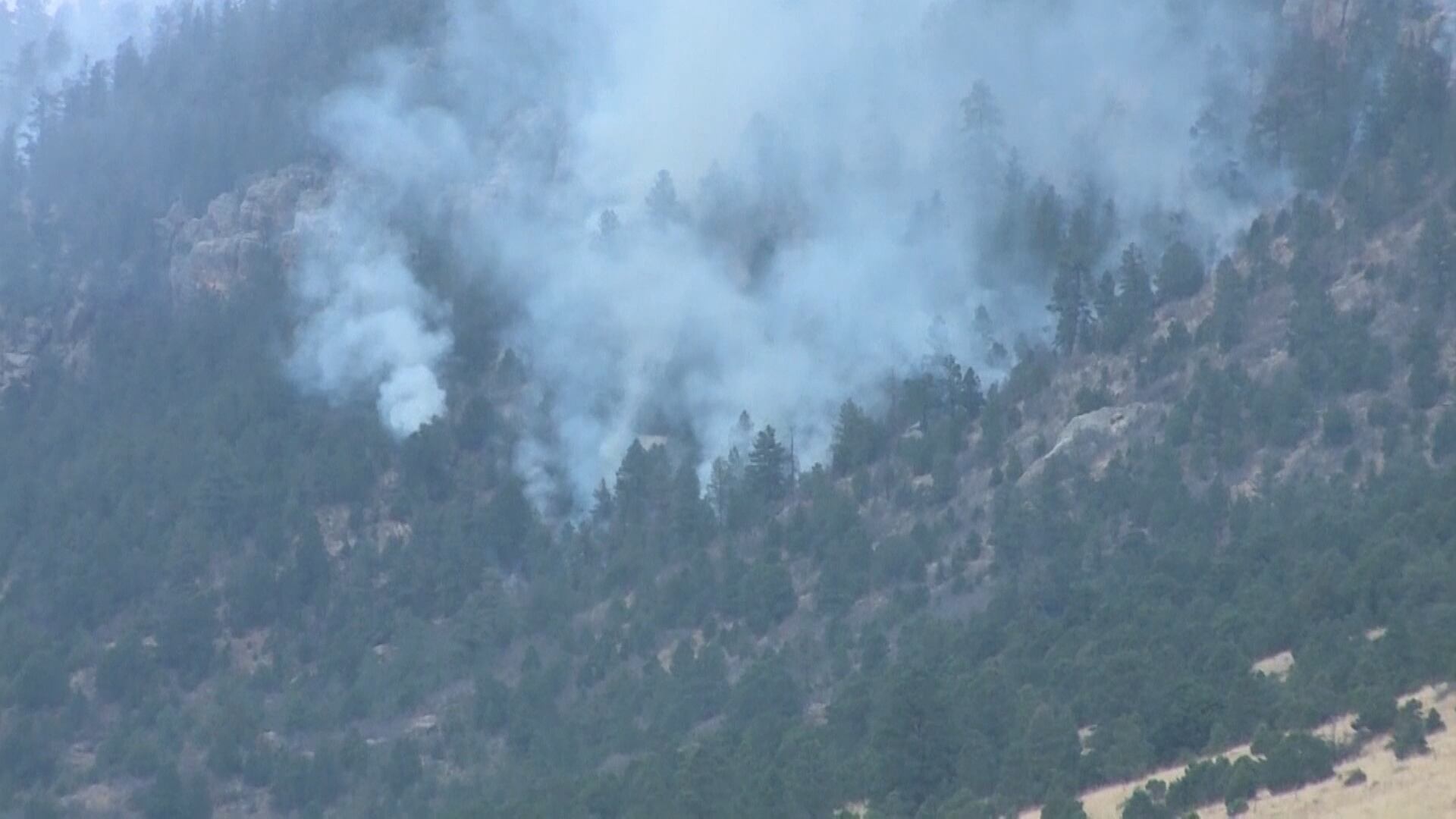
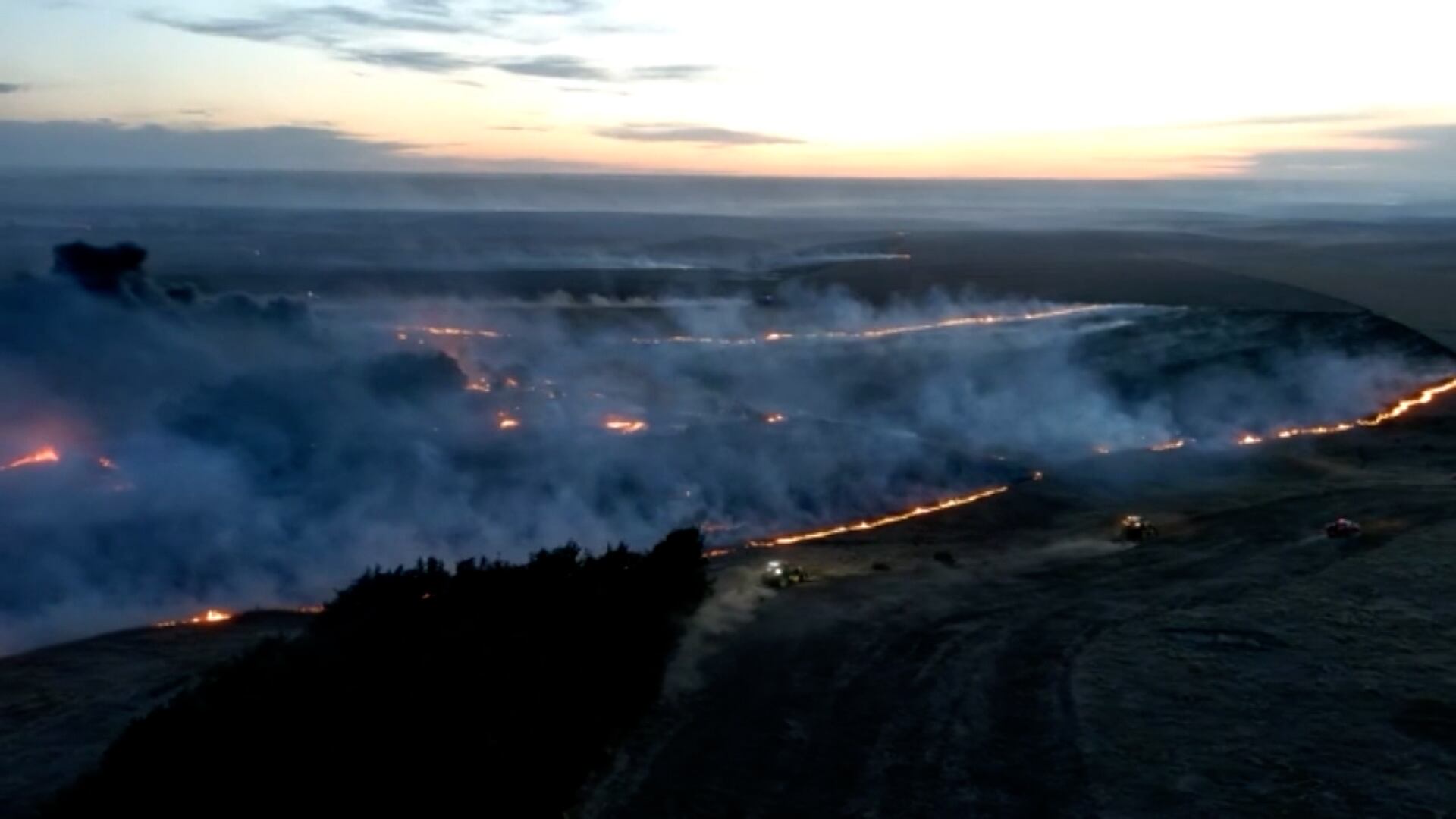
New Mexico is under a state of emergency after flames scorched across 84 square miles. Strong winds fueled 20 wildfires, destroying hundreds of buildings in the state this weekend. New Mexico is just one of several states across the southwest facing severe wildfires. James McMullen, retired California state fire marshal and forensic fire expert, joins Cheddar News to discuss.
SpoonTEK is an eating utensil that uses new technology to enhance flavors. Co-founders Ken and Cameron Davidov join Cheddar News to explain how the high-tech silverware can not only boost taste but also the health of its user.
Tim Brown, research professor at Desert Research Institute and director at the Western Regional Climate Center, joins Cheddar News to discuss the environmental impact of recent wildfires.
Vice President Kamala Harris tested positive for COVID-19 on Tuesday, the White House announced. That's underscoring the persistence of the highly contagious virus even as the U.S. eases restrictions in a bid to revert to pre-pandemic normalcy.