Why Sun Basket Is More Like Stitch Fix Than Blue Apron
The troubles Blue Apron's faced since going public last year has raised one big question for other meal-kit delivery start-ups in the ever-more-crowded space: what makes you stand out?
But Sun Basket's CEO doesn't think that question applies to his company.
“For us, it’s a fundamentally very different business,” Adam Zbar told Cheddar.
While Sun Basket does deliver packaged, pre-portioned meal-prep kits, it specializes on specific diets from Paleo to Mediterranean to gluten-free. Zbar says that gives his customers a more curated experience, more akin [Stitch Fix](https://cheddar.com/videos/how-stitch-fix-navigated-a-male-dominated-vc-landscape), the online styling subscription service.
Grocery shopping is harder for people sticking to strict diets than it is for those who don't have restrictions, explained Zbar. He says the convenience provided by Sun Basket makes it less likely customers abandon their subscriptions.
“Our retention rates are much higher than other players in the field, and the reason why is that we focused on a need.”
The company’s business model seems to resonate with investors too. Earlier this year, Sun Basket raised another [$57.8 million](https://www.prnewswire.com/news-releases/sun-basket-raises-578-million-in-new-funding-led-by-august-capital-300588291.html) in funding.
For full interview, [click here](https://cheddar.com/videos/healthy-cooking-made-easy).
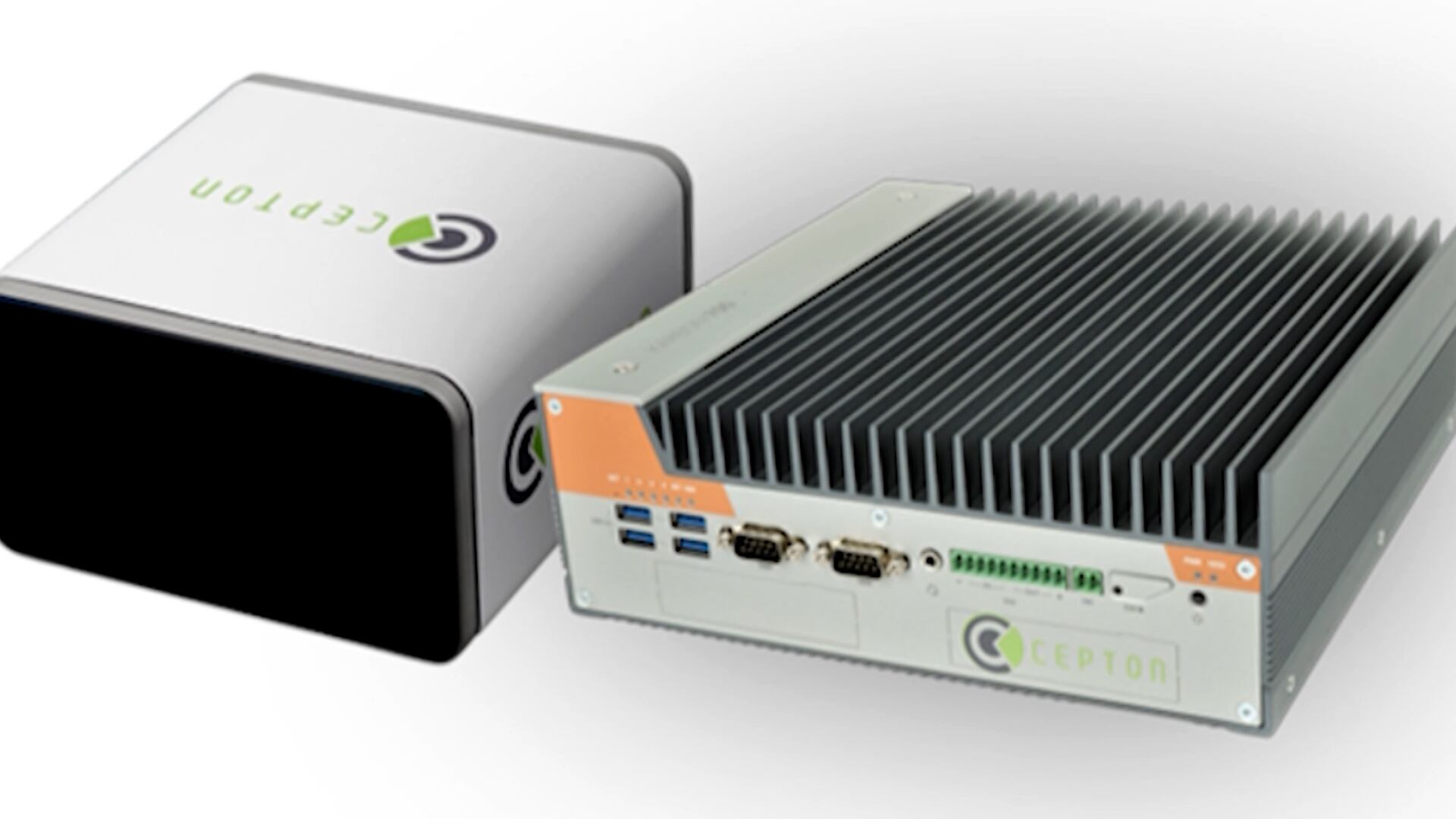
Cepton made its debut on the Nasdaq under the ticker symbol ‘CPTN’ on Thursday. Jun Pei, the co-founder and CEO, joined Cheddar News to discuss going public and its lidar-based solutions for improving safety in autonomous features in cars. "It's really just a huge benefit in addition to radar and camera, and becomes an entire sensor suite that will bring cars to a higher level, both for safety and autonomy."
A Senate bill unveiled on Wednesday looks to tackleonline safety for children by regulating Big Tech and social media platforms to deter users from content that can harm their mental health. Irene Ly, a policy counsel for the age-based ratings and review organization Common Sense Media, joined Cheddar News to break down the potential of the Kids Online Safety Act. "We can't be imposing such a big burden on parents to be doing it all on theirselves," Ly said. "I think you also have to keep in mind that parents often didn't grow up with social media, so they don't understand what it's like to be addicted to social media or really understand how they work."
While many still remain skeptical about the metaverse, big tech firms and even one big bank are ready to expand their virtual worlds. Facebook parent company has pivoted so hard it will now call its employees 'Metamates,' and even JPMorgan Chase has created its own digital lounge on one virtual platform. While the sector remains young, there seems to be significant investment opportunity, especially with companies like Nvidia. Adam Johnson, a portfolio strategist at Adviser Investments, joins Closing Bell to discuss which companies could win in this space, consumer appetite, and more.
Marc Blinder, Co-Founder and CEO of Aikon, joins Cheddar News' Closing Bell, where he discusses how his company is helping businesses use blockchain applications without needing to learn the intricacies of the new technology.
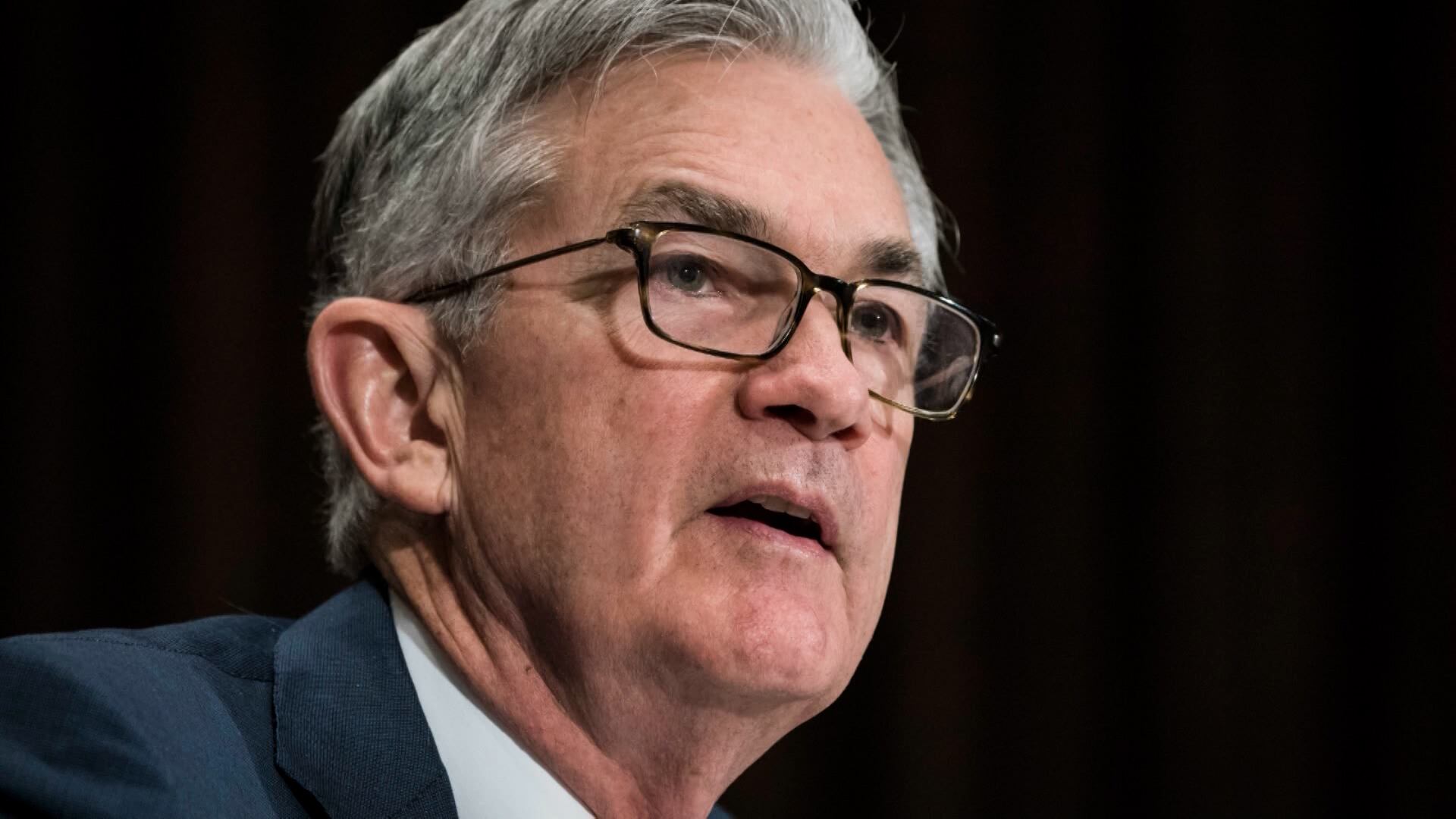
The Federal Reserve minutes from its January meeting are indicating it's sticking to an interest rate hike in March, but what does the report coupled with ongoing inflation mean for investors going forward? Scott Brown, a market strategist at LPL Financial, joined Cheddar News to break down the minutes and talk about how investors might navigate the rest of the year. "it seems like the market is kind of inclined to trade off these headlines, really, through the first half of the year," he said. "And then, oh, don't forget, we've got midterm elections, which always tend to add a little bit of volatility in the second half of the year." Brown noted that the path forward for stock investors in 2022 would be "rockier" than last year.